
Planting
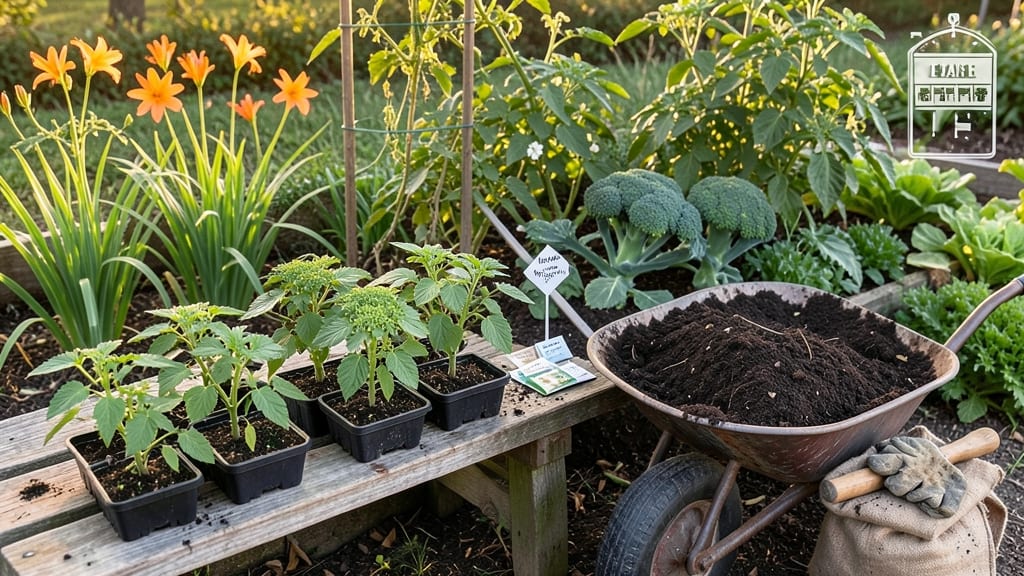
Planting a garden in East Tennessee around mid-April is your best bet to avoid late frosts and maximize harvests 🌱.
East Tennessee’s unpredictable spring weather can make gardening a gamble—plant too early and risk frost damage, too late and miss peak harvests. Timing is everything, and knowing your exact frost-free zone can mean the difference between a thriving garden and a failed experiment.
With USDA Zones 6b-7b, your planting window hinges on when the last frost typically passes—usually April 15 in most areas. But valleys and ridges can vary by weeks, so local data matters more than general rules.
In this guide, I’ll break down the ideal planting schedule for cool-season crops (like lettuce and peas) and warm-season plants (tomatoes, peppers), plus how to stretch your season with simple tricks like row covers or mulch.
East Tennessee frost-free dates by USDA hardiness zones (6b, 7a, 7b)
East Tennessee spans USDA Zones 6b, 7a, and 7b, creating a unique gardening climate where last spring frosts can arrive as early as March 20 in valleys or as late as April 30 in mountain regions.
Understanding these frost-free dates helps you time spring planting and fall harvests perfectly for your microclimate. Whether you're in Knoxville (Zone 7a) or Chattanooga (Zone 7b), these variations matter—especially for heat-loving crops like tomatoes and peppers.
For Zone 6b (higher elevations like Tellico Plains), the average last frost date is April 15, while Zone 7a (Knoxville) typically sees its last frost April 1-10. Zone 7b (Chattanooga) warms up faster, with March 25-April 5 as the last frost window.
These dates shift slightly each year, so always check local weather forecasts before planting frost-sensitive seedlings like basil or cucumbers.
Mountain valleys (like Sevier County) often experience earlier springs due to warmer air pooling, while ridge tops (like Great Smoky Mountains) can hold frost 2-3 weeks longer.
This microclimate effect means gardeners in lower elevations can plant warm-season crops 10-14 days earlier than those in higher zones. For example, Chattanooga gardeners might safely transplant tomato plants by April 15, while mountain gardeners should wait until May 1.
Here’s a quick-reference table for spring and fall planting windows based on your USDA Zone and local microclimate. Use these frost-free dates to plan when to start seeds indoors, transplant seedlings, and harvest before first frost.
For cool-season crops like lettuce, spinach, and peas, you can start seeds 4-6 weeks before your last frost date. In Zone 7b, that means late February for Chattanooga gardeners, while Zone 6b gardeners should wait until mid-March.
These hardy vegetables can often survive light frosts and even thrive in cool weather, making them ideal for early spring and fall harvests.
Warm-season crops like tomatoes, peppers, and squash need consistent warmth and should only be planted 2 weeks after your last frost date. In Knoxville (Zone 7a), that’s typically April 15, but in higher elevations, wait until May 1.
To extend your growing season, consider using
Best vegetables to plant in East Tennessee by season (cool vs. warm season crops)
East Tennessee’s USDA Zones 6b-7b create a unique growing environment where cool-season crops thrive in early spring and fall, while warm-season vegetables need to wait until after the last frost. The key is understanding which plants handle light frosts and which need consistent warmth to flourish.
For cool-season vegetables, I start seeds indoors or plant directly in the garden 4-6 weeks before the last frost date (typically mid-April in Knoxville).
These hardy crops like lettuce, spinach, and peas can even handle light freezes down to 20°F, making them perfect for early spring or late fall harvests.
Warm-season crops like tomatoes, peppers, and cucumbers are far more delicate—they won’t tolerate any frost and need soil temperatures above 60°F to germinate.
I wait until 2 weeks after the last frost date (around May 1) to transplant seedlings, ensuring they have enough time to mature before summer’s heat sets in.
- Early Spring (Feb-Mar): Start cool-season crops like onions, broccoli, and kale indoors or sow directly in protected beds.
- Late Spring (Apr-May): Transplant tomatoes, peppers, and squash after last frost; direct-sow beans and corn.
- Summer (Jun-Jul): Succession plant lettuce, radishes, and carrots for fall harvests; harvest warm-season crops.
- Fall (Aug-Sep): Plant spinach, peas, and garlic for winter harvests; extend warm-season crops with row covers.
One of my favorite cool-season crops is Swiss chard, which tolerates light frosts and produces colorful stems even in cooler weather. For warm-season plants, I swear by ‘Celebrity’ tomatoes and ‘Jalapeño M’ peppers, both of which perform exceptionally well in East Tennessee’s humid summers.
To maximize your harvest, I recommend succession planting for warm-season crops like bush beans and zucchini. Start a new batch every 2-3 weeks from late spring through early summer to ensure a continuous supply.
For cool-season crops, focus on fall planting in August for late-winter harvests of kale and carrots.
Don’t forget about herbs and greens—basil, cilantro, and dill thrive in East Tennessee’s climate when planted at the right time.
I often grow basil in containers near my tomatoes to deter pests naturally, while cilantro bolts quickly in heat, so I plant it in early spring or fall.