
Planting
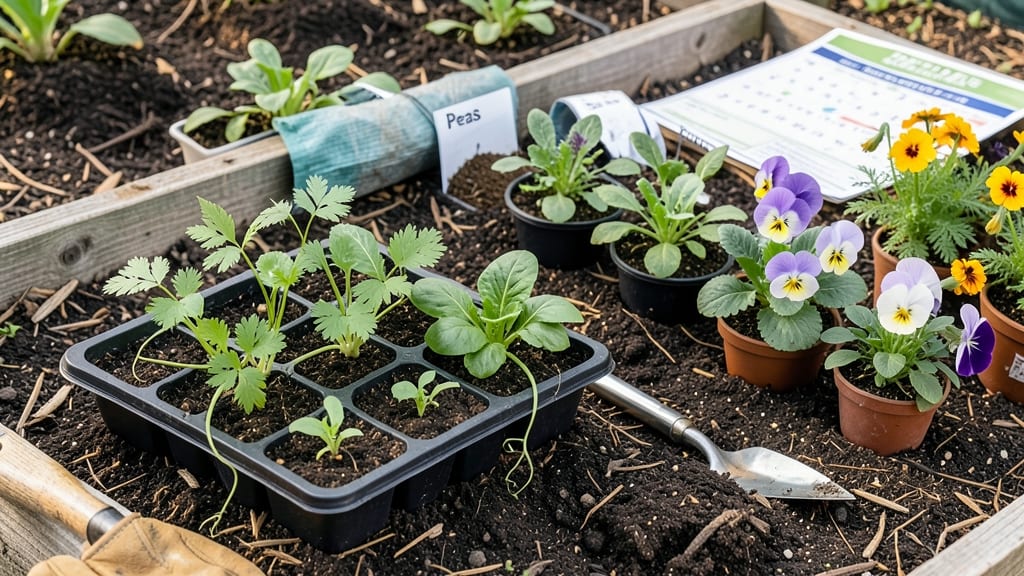
Planting a garden in Michigan at the right time means the difference between a bountiful harvest and a sad pile of frost-nipped seedlings.
Michigan’s unpredictable climate can turn gardening into a high-stakes guessing game—plant too early and risk frost damage, too late and miss peak harvests. But timing your garden correctly isn’t just about avoiding frost; it’s about maximizing yields for everything from tomatoes to tulips.
With USDA zones ranging from 4b to 6b, Michigan gardeners need a flexible schedule that accounts for regional frost dates and crop types.
Cool-season plants like spinach thrive when soil temperatures hit 40°F, while warm-season favorites like peppers need to wait until after the last frost—usually late May in southern Michigan but June in the Upper Peninsula.
Below, I break down the exact planting windows for your region, whether you’re starting seeds indoors or sowing directly into the soil. You’ll learn how to stretch your season, pick the right varieties, and avoid common mistakes that waste your hard work.
Michigan frost dates by region: when to start planting cool vs warm season crops
Michigan's diverse climate creates a gardening puzzle with three distinct regions: the Upper Peninsula, northern Lower Peninsula, and southern Lower Peninsula. Each has unique last spring frost dates and first fall frost averages that dictate your planting schedule.
Understanding these windows helps you avoid frost damage while maximizing harvests for both cool-season crops like spinach and warm-season crops like tomatoes.
The USDA zones in Michigan range from zone 4b in the UP to zone 6a in southern regions. This means southern gardens enjoy 10-14 extra frost-free days compared to northern areas.
For example, Detroit typically sees its last spring frost around April 25, while Marquette in the UP often waits until May 20. These differences can mean the difference between a thriving garden and a failed crop.
Here's how to use Michigan's frost dates to plan your garden:
For cool-season crops like spinach, peas, and lettuce, start seeds indoors 4-6 weeks before your region's last frost date. In southern Michigan, this means early March for direct sowing, while northern regions should wait until mid-April.
These crops thrive in cooler temperatures (40-75°F) and can even tolerate light frosts, making them ideal for early spring planting.
Warm-season crops such as tomatoes, peppers, and cucumbers require soil temperatures above 60°F and won't tolerate frost. In southern Michigan, you can plant these after May 15, but northern gardeners should wait until June 1.
For a head start, begin seeds indoors 6-8 weeks before your last frost date. Use row covers or black plastic mulch to warm the soil faster and extend your planting window.
Michigan's shorter growing season demands strategic planning. Consider succession planting for warm-season crops like beans and zucchini—sow seeds every 2-3 weeks until mid-July to ensure continuous harvests. For southern regions, this might mean three plantings, while northern areas may only manage two.
Always choose early-maturing varieties (look for "early" or "fast" on seed packets) to maximize your harvest before fall frosts arrive.
Don't forget about fall planting! Many cool-season crops like kale, carrots, and radishes can be sown 6-8 weeks before your first fall frost. In southern Michigan, this means late July to early August, while northern gardeners should plant by mid-July.
These late plantings often produce sweeter, more flavorful crops as they develop in cooler weather.
Pro tip: Use hardening off techniques for seedlings and monitor local weather forecasts for late-season frosts. The National Weather Service provides frost advisory alerts that can help you protect tender plants.
With these frost dates as your guide, you'll transform Michigan's unpredictable climate into a gardening advantage rather than a challenge.
🌱
Best planting schedule for Michigan gardens: month-by-month calendar for vegetables, flowers, and perennials
Michigan’s short growing season demands precision—planting too early risks frost damage, while waiting too long cuts harvests short. My month-by-month schedule balances frost dates, seed-starting, and succession planting to maximize your garden’s potential.
Whether you’re growing tomatoes, tulips, or perennials, these timelines account for Michigan’s USDA Zones 4-6 and regional variations.
For southern Michigan (Zones 5-6), aim to start cool-season crops like spinach and peas indoors by late February, while northern regions (Zone 4) should wait until mid-March.
Warm-season crops like basil and peppers need to go in the ground only after May 15th in most areas—use row covers to extend early planting windows.
| Month | Vegetables (Direct Sow) | Vegetables (Transplant) | Flowers & Perennials | Bulbs |
|---|---|---|---|---|
| March | Peas, spinach, lettuce (cold frames) | Start tomatoes, peppers, eggplants indoors | Divide perennials; plant tulip/daffodil bulbs | Plant spring bulbs (tulips, daffodils) |
| April | Carrots, radishes, beans, beets | Hardy transplants: broccoli, cabbage, kale | Plant annuals (pansies, snapdragons) | — |
| May | Cucumbers, squash, corn (after frost) | Tomatoes, peppers, herbs (after May 15) | Plant perennials (coneflowers, lavender) | — |
| June | Succession plant lettuce, beans | — | Deadhead spent blooms; mulch perennials | — |
| July-August | Fall crops: kale, spinach, radishes | Transplant broccoli, cabbage for fall | Plant spring-blooming bulbs (crocus) | Plant fall bulbs (hyacinths) |
| September | Garlic, onions, cover crops | — | Divide overgrown perennials | Plant spring bulbs (tulips) |
Container gardeners in Michigan’s urban areas can adjust timelines by 2-3 weeks—containers warm up faster, letting you plant warm-season crops like peppers slightly earlier. Always check soil temperatures: aim for 60°F+ for tomatoes and 50°F+ for peas.
Use mulch to retain heat and moisture, especially in sandy soils common in northern Michigan.
Don’t overlook fall planting—cool-season crops like kale and spinach thrive in Michigan’s September-October soil. Plant garlic in October for next summer’s harvest, and cover crops like clover to protect soil. For perennials, late summer is ideal for dividing overcrowded plants like hostas or daylilies.
Pro tip: Mark your calendar for Michigan’s average frost dates—typically May 10th (last spring frost) in southern regions and June 1st in the UP. For first fall frost, plan for September 20th (south) to October 10th (north).
Adjust by 1-2 weeks based on your microclimate—urban areas often stay warmer longer than rural spots.
With this schedule, you’ll avoid the common Michigan gardening mistakes of planting too early (frost-killed seedlings) or too late (stunted growth). Start small, test your soil, and use season extenders like cold frames to push your garden’s limits. Happy planting—your tomatoes and tulips will thank you! 🌱