
Planting
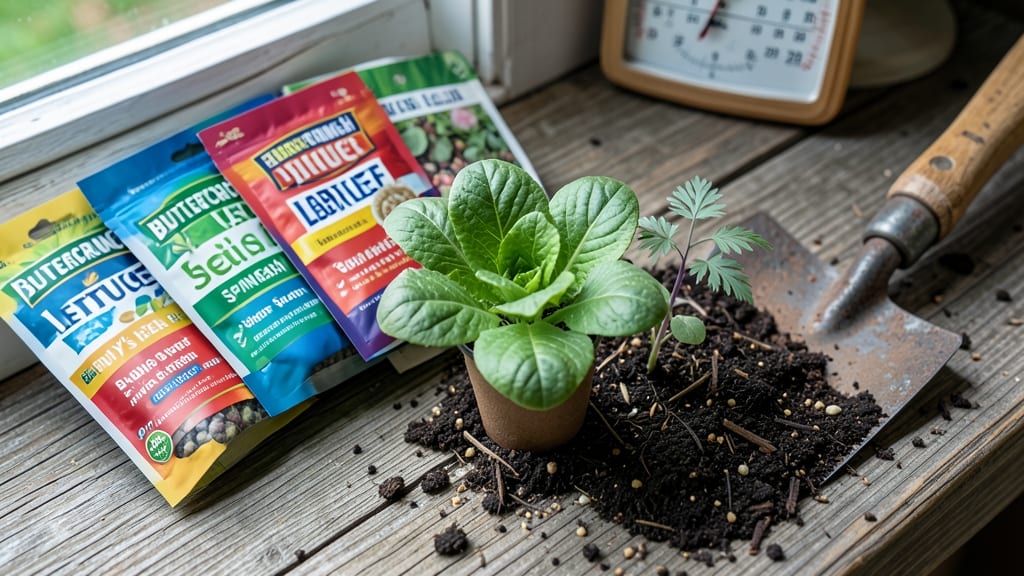
The best time to plant a garden in Michigan is after your last spring frost and when soil temperatures hit 50°F—usually between mid-April and late June, depending on your zone.
Michigan gardeners know timing is everything—plant too early and risk frost damage, too late and miss the growing season. But with Michigan’s diverse climate zones, figuring out the perfect planting window can feel overwhelming.
Cool-season crops like lettuce and peas thrive in early spring, while tomatoes and peppers need warmer soil to take off. The Upper Peninsula’s shorter season means starting seeds indoors or choosing fast-maturing varieties.
Below, I break down frost-free dates by region, the ideal planting schedule for your favorite 🌱 vegetables, and pro tips to stretch your growing season—so you can maximize harvests without the guesswork.
Michigan planting zones: frost-free dates by region (2024 guide)
Michigan’s diverse climate means your last frost dates can vary by 100+ miles. The Lower Peninsula typically warms up faster than the Upper Peninsula, creating distinct planting windows. Understanding your USDA zone (4-6) and local frost trends helps you avoid frost damage while maximizing your growing season.
According to Michigan State University, the average last frost date in southern Michigan (zone 6) is April 15-30, while northern areas (zone 4) may not see frost-free conditions until May 15-30.
The first frost in fall arrives earlier in the north, often by September 15, compared to October 15 in the south.
Here’s a region-by-region breakdown of frost-free dates to help you plan your spring and fall planting:
If you’re in the Upper Peninsula, your growing season is shorter—prioritize fast-maturing crops like bush beans or radishes. In contrast, southern Michigan gardeners can grow tomatoes and peppers until late fall.
Always check local frost alerts in early spring, as late frosts can delay planting by 2-3 weeks.
For fall planting, aim to sow cool-season crops like kale or spinach by August 1 in the south and July 15 in the north. These plants tolerate light frosts and even improve flavor after light freezing. Use row covers to extend harvests into November in warmer zones.
Pro tip: Soil temperature matters more than air temperature. Wait until the soil reaches 50°F for warm-season crops like tomatoes and peppers. A soil thermometer is your best tool—cold soil slows germination and stunts growth.
In cooler zones, start seeds indoors 6-8 weeks before the last frost for a head start.
Microclimates play a role too. South-facing slopes warm up faster, while low-lying areas hold frost longer. If you’re near a large body of water, expect 2-3 weeks later for spring planting due to delayed warming. Always observe your yard’s unique patterns over 3-5 years to refine your planting schedule.
For real-time updates, bookmark the Michigan State University Garden Guide or use apps like Old Farmer’s Almanac. These tools provide hyperlocal frost predictions and help you adjust for unpredictable weather. With the right timing, you can enjoy
Best planting schedule for Michigan gardens: what to plant when
Michigan’s short but intense growing season demands precision—cool-season crops thrive in spring and fall, while warm-season favorites need summer’s warmth. I’ve broken down the ideal planting windows for Michigan’s USDA Zones 4-6, including succession planting tricks to keep your harvests flowing all season long.
For cool-season crops like spinach and kale, I start seeds indoors in March and transplant after the last frost date (typically mid-April). Warm-season staples—tomatoes, peppers, and corn—wait until late May to early June when soil temperatures hit 60°F+.
Perennial herbs like thyme and oregano? Plant them in early spring or fall for year-round resilience.
🌱 Numbered-Highlights: Michigan Planting Timeline
- Early Spring (March-April): Start cool-season seeds indoors (spinach, peas, lettuce). Transplant hardy perennials like asparagus.
- Late Spring (May): Plant warm-season crops after last frost (tomatoes, peppers, beans). Use row covers for early starts.
- Summer (June-July): Succession plant fast-maturing crops (bush beans, radishes). Mulch to retain moisture.
- Early Fall (August-September): Sow cool-season crops for fall harvest (kale, carrots, broccoli). Extend season with cold frames.
- Late Fall (October): Plant garlic and onions for next year’s harvest. Cover soil with straw mulch.
Container gardeners in Michigan face unique challenges—shorter seasons and limited space. I recommend fast-maturing varieties like bush beans (45 days) or cherry tomatoes (55 days) to maximize yields. Start seeds 4-6 weeks before the last frost date, and use self-watering pots to avoid drought stress.
Succession planting is my secret weapon for continuous harvests. After harvesting early peas in June, I replant with bush beans or lettuce every 2-3 weeks. For warm-season crops, stagger plantings every 10-14 days to ensure a steady supply of tomatoes or peppers from July through September.
Don’t forget perennial herbs—they’re low-maintenance and thrive in Michigan’s climate. Plant rosemary, sage, and thyme in well-draining soil with full sun in early spring. They’ll reward you with year-round flavor and minimal effort.
Pro tip: Check Michigan State University’s frost-free date maps annually—climate change is shifting our last frost dates earlier than ever. Adjust your schedule accordingly to avoid frost damage or missed harvests.