
Planting
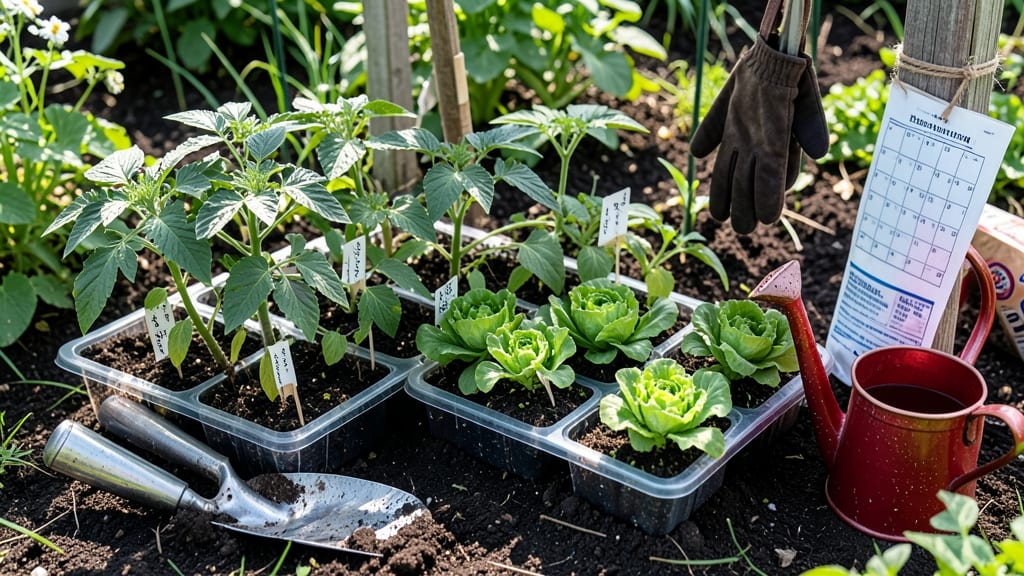
To plant a garden in Kentucky, time it between late March and early June for spring and August to September for fall, aligning with the state’s 6a-7a frost dates.
Kentucky’s unpredictable frost patterns can turn your gardening dreams into a guessing game—unless you know the exact planting windows for your zone. One late frost in April or an early chill in October can wipe out weeks of work, which is why local frost data is your best friend.
Cool-season crops like lettuce and peas thrive when planted 4-6 weeks before the last frost, while tomatoes and peppers need to wait until 2-3 weeks after the danger has passed. Kentucky’s clay soil also benefits from compost or sand amendments to improve drainage.
Below, I break down the month-by-month planting schedule, frost-date adjustments by region, and tips to extend your growing season—so you can enjoy a continuous harvest from spring to fall.
Kentucky’s frost dates by region: when to plant for maximum yield
Kentucky’s five USDA hardiness zones (5a-7a) create distinct planting windows that can mean the difference between a thriving garden and a failed crop.
The last spring frost typically arrives between March 15 and April 15, while the first fall frost hits anywhere from October 1 to November 15, depending on your location. Understanding these patterns lets you time cool-season crops like spinach and warm-season crops like tomatoes perfectly for your region.
For example, Zone 5a (northeast Kentucky) has a shorter growing season with an average last frost date of April 15 and first frost of October 15, leaving just 183 frost-free days.
Meanwhile, Zone 7a (western Kentucky) enjoys a longer season with 200+ frost-free days, stretching from March 20 to November 5. These differences mean northern Kentucky gardeners must rush to plant warm-season crops, while southern gardeners can afford a more relaxed schedule.
Here’s how to use these frost dates to plan your garden:
| Region & Zone | Last Spring Frost | First Fall Frost | Frost-Free Days | Cool-Season Planting Window | Warm-Season Planting Window |
|---|---|---|---|---|---|
| Northeast KY (Zone 5a) | April 15 | October 15 | 183 days | March 1 - April 15 | May 1 - July 15 |
| Central KY (Zone 6a) | April 1 | October 30 | 183 days | February 15 - April 1 | April 15 - August 1 |
| Louisville Area (Zone 6b) | March 25 | November 5 | 200 days | February 1 - March 25 | April 1 - August 15 |
| Western KY (Zone 7a) | March 15 | November 15 | 215 days | February 1 - March 15 | March 20 - September 1 |
| County-Specific Example: Jefferson County (Zone 6b) | March 20-25 | November 1-10 | 200-210 days | February 15 - March 20 | April 1 - August 15 |
If you’re in Zone 5a (like Harlan or Pike counties), start spinach and lettuce indoors in February and transplant them outdoors by March 1.
In Zone 7a (such as Henderson or Hopkinsville), you can direct-sow tomatoes and peppers outdoors as early as March 20, giving them a head start before summer heat arrives. This 1-month difference in planting windows is critical for maximizing your harvest.
For cool-season crops like kale, broccoli, and peas, plant them 4-6 weeks before your last frost date. In Zone 6a (e.g., Madison or Fayette counties), this means sowing seeds by February 15 for an early spring harvest.
For warm-season crops such as beans, squash, and cucumbers, wait until 2-3 weeks after your last frost—so April 15 in Zone 5a and March 20 in Zone 7a.
Microclimates can also shift your planting dates by 1-2 weeks
Best planting calendar for Kentucky gardens: month-by-month schedule
Kentucky’s 6-7a USDA zones offer a 165-day frost-free window—perfect for growing everything from tomatoes to tulips. But timing matters! Plant too early, and frost zaps your seedlings. Too late, and summer heat stunts growth. My month-by-month schedule keeps your garden thriving year-round, with succession planting tricks to maximize harvests.
Start with cool-season crops like spinach and peas in early spring, then shift to warm-season favorites (think peppers and basil) after the last frost. Fall planting lets you squeeze in kale, carrots, and radishes before winter.
I’ll break it down by month so you never miss a planting window—plus, I’ll share my pro tips for Kentucky’s clay-heavy soil and humidity.
- 🌱 March: Start onion sets and potatoes indoors. Plant peas, spinach, lettuce outdoors after soil warms to 40°F.
- 🌿 April: Sow carrots, radishes, beets 2-3 weeks before last frost (avg. April 15). Transplant broccoli, cabbage after frost risk passes.
- ☀️ May: Plant tomatoes, peppers, eggplants 2-3 weeks after last frost. Succession-sow lettuce every 2 weeks for continuous harvests.
- 🌻 June: Direct-sow beans, cucumbers, squash. Transplant basil, marigolds. Mulch to retain moisture in Kentucky’s hot, humid summers.
- 🍂 July: Start fall crops indoors: kale, Brussels sprouts, leeks. Succession-plant bush beans every 3 weeks.
- 🌾 August: Plant garlic, onions, peas for fall harvest. Direct-sow spinach, arugula, radishes for early fall greens.
- ❄️ September: Last chance for broccoli, cauliflower, carrots. Cover seedlings with row fabric to extend season.
My succession planting secret? For leafy greens like lettuce, sow seeds every 2 weeks from spring to fall. This ensures a steady supply—no gaps in your salad bowl!
For tomatoes and peppers, stagger plantings every 2 weeks in May to spread out your harvest. Kentucky’s long, humid summers reward patience with bountiful yields.
Don’t overlook herbs and flowers! Plant basil and cilantro in May, then again in August for a fall crop. Marigolds and zinnias thrive in Kentucky’s heat—sow them in June for all-summer color. Pro tip: Amend your clay soil with compost before planting to improve drainage and fertility.
Fall is your second chance for a productive garden. After the first frost (usually mid-October), focus on hardy crops like kale, carrots, and garlic. Mulch heavily to protect roots from freezing temperatures. I’ve had spinach survive light frosts and keep producing—just harvest before hard freezes hit!
Plan ahead for next year by noting which crops thrived (and which flopped) in your garden. Adjust planting dates based on your microclimate—shady spots may need cooler-loving plants, while sunny areas can handle heat lovers like okra or sweet potatoes.
With this schedule, your Kentucky garden will be bursting with fresh produce from spring to frost! 🌱