
Planting
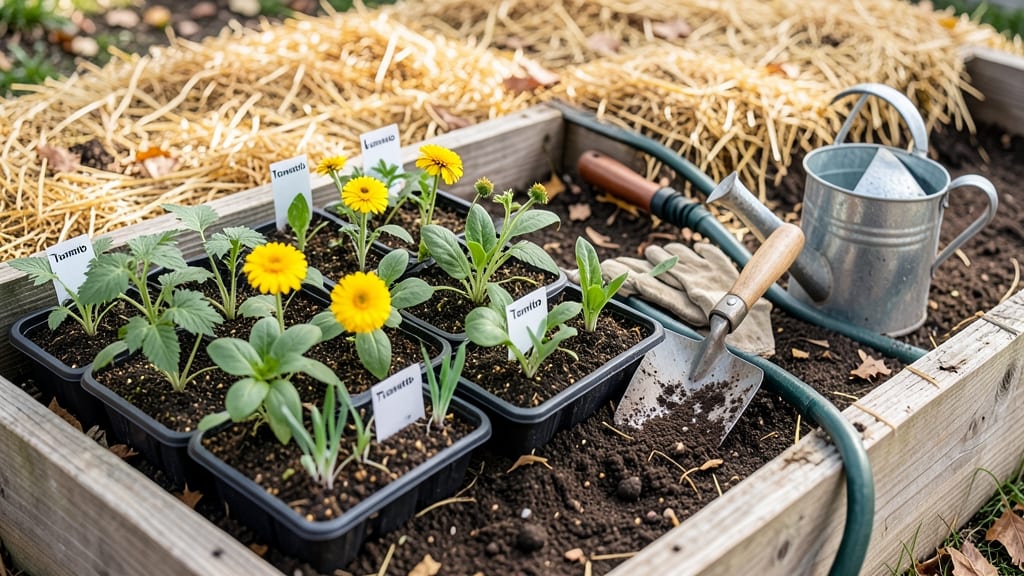
Planting your garden in Indiana at the right time means the difference between a bountiful harvest and a sad, wilted disappointment.
Indiana’s unpredictable frost dates can make or break your garden—plant too early, and you risk losing your hard work to late frosts; too late, and your harvest arrives after peak freshness. Mastering the perfect planting window ensures a thriving garden from spring to fall.
If you’ve ever watched your seedlings shiver under a surprise frost or seen your tomatoes bolt in the heat, you know timing is everything. The key is understanding Indiana’s USDA Zones 5-6 and adjusting for regional quirks like microclimates or urban heat islands.
In this guide, I’ll break down the exact frost-date rules for cool-season crops (like lettuce and peas) vs. warm-season plants (tomatoes, peppers), plus a month-by-month planting calendar tailored to Indiana’s climate. You’ll learn how to stretch your growing season, avoid common mistakes, and keep your garden thriving all year.
Indiana frost dates by region: when to plant cool-season vs warm-season crops
Indiana’s USDA Zones 5-6 create a unique challenge for gardeners, with last frost dates varying by 10-14 days between northern and southern regions. Understanding these patterns helps you time plantings for maximum success.
Northern Indiana (e.g., Fort Wayne) typically sees its last spring frost around April 20-30, while southern Indiana (e.g., Louisville) averages April 10-20. First fall frosts arrive October 10-20 in the north and October 20-30 in the south.
Cool-season crops like lettuce, spinach, and peas thrive when soil temperatures stay below 75°F. These should be planted 4-6 weeks before your last frost date for an early harvest.
Warm-season crops like tomatoes, peppers, and beans need soil temperatures above 60°F and should wait until 2 weeks after your last frost. Using a frost-date calculator (like the National Weather Service or Old Farmer’s Almanac) can refine these estimates for your exact location.
For precise planning, I recommend checking your local microclimate. Urban areas like Indianapolis often run 2-3°F warmer than rural zones, delaying frost dates by 3-5 days. Elevation also matters: higher elevations (e.g., Brown County) may experience frost 1 week later than valley regions.
Always err on the side of caution—late frosts in May can still damage tender seedlings.
Here’s a quick reference for Indiana’s regional frost windows and ideal planting times:
| Region | Last Frost Date | First Frost Date | Cool-Season Planting | Warm-Season Planting |
|---|---|---|---|---|
| Northern Indiana (Zone 5) | April 20-30 | October 10-20 | March 15 - April 15 | May 10 - June 1 |
| Central Indiana (Zone 5-6) | April 10-20 | October 15-25 | March 1 - April 10 | April 25 - May 15 |
| Southern Indiana (Zone 6) | April 1-10 | October 20-30 | February 20 - March 25 | April 15 - May 1 |
For cool-season crops, start seeds indoors 6-8 weeks before transplanting to beat the frost. Examples include broccoli (plant by March 15 in the north) and kale (plant by April 1).
Use row covers or cold frames to extend the season into late fall. In southern Indiana, you can even plant spinach as late as September 15 for a winter harvest.
Warm-season crops need consistent warmth to thrive. Tomatoes and peppers should wait until soil temperatures reach 60°F, typically May 1-15 in most of Indiana. If you’re eager to start earlier, use black plastic mulch to warm the soil 2-3 weeks faster.
For beans and squash, direct-sow after the last frost—these are frost-tolerant once established, but seedlings won’t survive cold snaps.
Pro tip: Use succession planting for continuous harvests. For example, sow lettuce every 2 weeks from March to August, and plant bush beans every 3 weeks from May to July. This ensures you’re always harvesting fresh produce.
In Indiana’s climate, fall planting is just as important as spring—cool-season crops like radishes and carrots planted in August can be harvested before winter sets in.
To track your local frost dates, I recommend using the Indiana State Climate Office or apps like Frost Date Calculator. These tools provide historical averages and 30-day forecasts to help you adjust your planting schedule.
Remember, microclimates (like near large bodies of water or urban heat islands) can shift frost dates by up to 2 weeks, so always observe your own garden’s patterns.
Finally, don’t forget to harden off seedlings before transplanting. Gradually expose them to outdoor conditions over 7-10 days to prevent shock. This is especially critical for tomatoes and peppers, which are sensitive to temperature fluctuations. With these strategies, you’ll maximize your Indiana garden’s potential from spring through fall. 🌱
Top 5 mistakes Indiana gardeners make with planting timing (and how to avoid them)
Indiana gardeners often face the same timing challenges—whether it's rushing spring planting before the last frost or waiting too long for warm-season crops like tomatoes. These mistakes can mean the difference between a bountiful harvest and wasted effort. Let me share the most common pitfalls and how to avoid them.
First, many gardeners ignore microclimates within their yard. A sunny south-facing spot may warm up faster than a shady north side, creating different planting windows. Even a small elevation change can shift frost dates by 1-2 weeks.
Always scout your garden in early spring to identify these variations before planting.
Indiana's average last frost date ranges from April 15 (southern IN) to May 1 (northern IN), but late frosts can occur until May 10-15. Frost-sensitive plants like tomatoes and peppers need 50+ frost-free days to mature—plant too early, and you risk losing everything.
Solution: Use row covers or wait until May 20-25 for northern Indiana. Check local frost alerts from Purdue Extension for real-time updates.
Another common error is planting cool-season crops like lettuce or spinach too late in summer. These plants bolt (go to seed) when temperatures exceed 75°F. If you love fall harvests, start seeds indoors in July or use shade cloth to keep them cool.
Many gardeners also misjudge warm-season crops by planting them too late. Tomatoes and peppers need 60-85 days to fruit, so if you wait until June, you'll miss the harvest window entirely. Start seeds indoors in March-April and transplant after the last frost for a summer bounty.
Don't forget about fall planting mistakes! Some gardeners stop planting after summer, missing out on hearty crops like kale and radishes. These thrive in cooler weather and can be planted until September 15 in Indiana. Just be sure to use row covers if early frosts threaten.
Finally, overlooking soil temperature leads to poor germination. Seeds like peas and beans need soil at 40-50°F, while tomatoes prefer 60°F+. Use a soil thermometer to check before planting—cold soil can delay growth by weeks.
By avoiding these timing mistakes and adjusting for Indiana's variable climate, you'll enjoy a garden that thrives from spring to fall. Start with small adjustments, like using row covers or checking soil temps, and watch your success rate soar! 🌱