
Planting
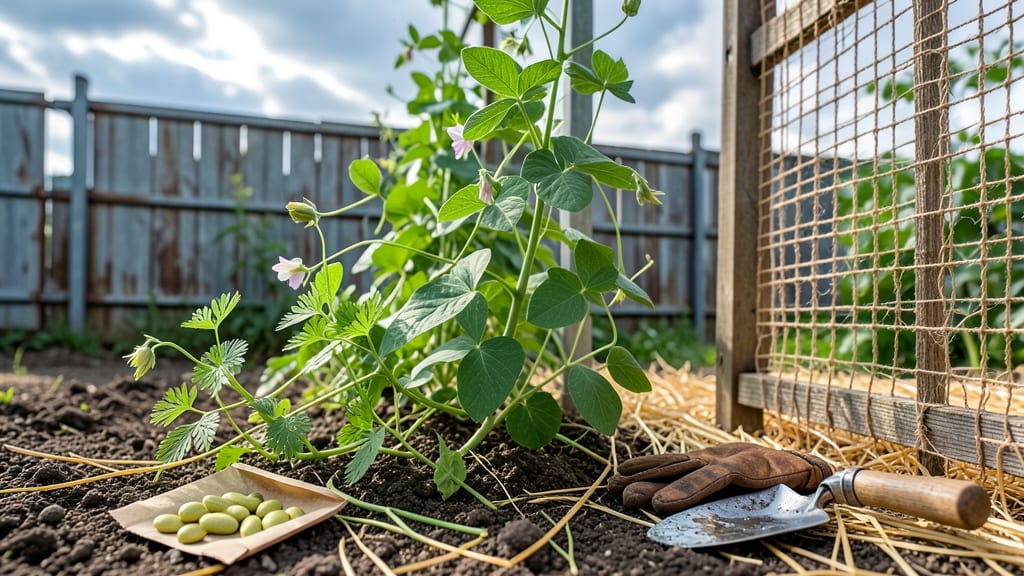
Plant garden peas 4-6 weeks before your last frost — that’s the sweet spot for crisp, sweet pods that thrive in cool weather.
If you’ve ever planted peas too early and watched them bolt in the heat, or too late and seen them wilt from frost, you know timing is everything. These cool-season stars 🌱 demand precision, but the rules shift dramatically depending on whether you’re in Zone 6a or a balmier climate.
Below, I’ll break down the exact frost-free windows by zone, how to read your soil’s readiness, and the one trick that extends your harvest by 2-3 weeks—no matter where you garden.
You’ll also discover the best companion plants to boost yields, how to prep soil for faster germination, and why late fall plantings can outperform spring in some regions.
Optimal planting dates for garden peas by USDA hardiness zone
Garden peas (Pisum sativum) thrive in cool weather, making timing critical for success. Planting too early risks frost damage, while late planting can lead to poor yields.
Your USDA hardiness zone determines the perfect window—typically 4-6 weeks before last frost in spring or 6-8 weeks before first frost in fall. Let’s break down the ideal months for zones 3 through 8, where most home gardeners grow peas.
Peas are frost-tolerant but struggle in extreme heat (above 85°F). Northern zones (3-5) can start seeds indoors 8-10 weeks before last frost or direct-sow as soon as soil reaches 40-50°F.
Southern zones (7-8) often plant in fall or winter to escape summer heat, with a second spring crop possible in milder areas.
Microclimates matter! Coastal areas may plant 2-4 weeks earlier than inland zones due to milder temperatures. Mountain regions should delay planting until after last frost to avoid late-season snow. Always check your local frost dates—they’re more reliable than zone averages.
For maximum yield, align planting with soil temperature and variety maturity. Early varieties (e.g., 'Early Sugar Snap') mature in 60 days, while late varieties (e.g., 'Lincoln') take 70+ days. Pair shorter-season varieties with cooler zones to avoid heat stress.
Here’s a zone-by-zone breakdown of ideal planting months, including frost risk analysis and variety recommendations to optimize your harvest:
In Zone 3-4, focus on early varieties like 'Green Arrow' (58 days) to harvest before summer heat sets in. Use black plastic mulch to warm soil faster if needed. In Zone 5-6, aim for March-April planting—this gives peas 60-70 days of cool weather before summer arrives.
Zones 7-8 offer flexibility: plant once in fall (September-October) for a winter harvest, then again in January-February for a spring crop. Avoid summer planting—peas bolt (flower prematurely) in temperatures above 85°F. For Zone 8+, prioritize shade-tolerant varieties like 'Oregon Sugar Pod'.
Adjust for microclimates: A south-facing slope warms faster than a shady valley. If your garden runs 1-2 weeks behind the zone average, delay planting by the same margin. For example, if your last frost typically hits May 15 instead of April 15, plant peas in late April instead.
Pro tip: Succession plant every 2 weeks in spring for a continuous harvest. In Zone 6, this means sowing seeds on March 15, April 1, and April 15 to stagger maturity. Pair peas with radishes or lettuce—they thrive in the same cool conditions and won’t compete for space.
Always monitor soil temperature with a thermometer. Peas germinate best at 45-85°F—if soil is below 40°F, wait or use row covers to protect seedlings. With the right timing, you’ll enjoy sweet, tender peas for weeks—no matter your zone! 🌱
Signs your climate is ready for peas (beyond the calendar)
Forget relying solely on the calendar—your local climate holds the real clues about when to plant garden peas. These cool-season lovers thrive when soil temperatures hover between 40-50°F, not when the calendar says "spring."
In my Zone 6a garden, I’ve learned to watch for soil warmth and frost patterns rather than dates. For example, coastal areas warm up faster than inland spots, while mountain regions stay chilly longer. Let’s decode these natural signals to pinpoint the perfect planting window.
Start by testing your soil temperature with a simple soil thermometer—peas won’t germinate well above 50°F. I’ve planted too early in March only to watch seeds rot in cold, damp soil. Meanwhile, my neighbor in Zone 8 plants in November when nights cool down.
The key? Your last frost-free date isn’t set in stone—it’s a moving target based on microclimates like slopes, water bodies, or urban heat islands.
Here’s how to turn field observations into actionable planting times:
- 1 Soil warmth: Insert a thermometer 2" deep—aim for 40-50°F. Pro tip: Morning readings are most accurate.
- 2 Frost-free window: Calculate your average last frost by averaging the past 5 years’ dates. Plant 4-6 weeks before this date.
- 3 Local patterns: Coastal areas? Plant 2 weeks earlier than inland zones. Mountain gardens? Wait until after nearby valleys warm up.
- 4 Weather shifts: Look for 3 consecutive days above 50°F with no frost in the forecast. This triggers germination.
- 5 Pea varieties: Early varieties (e.g., 'Little Marvel') tolerate 32°F—plant them 2 weeks before your last frost. Late varieties (e.g., 'Green Arrow') need 50°F+ soil.
Don’t overlook moisture cues either. Peas need consistently moist soil to germinate, so if your garden feels dry in early spring, hold off until after rains. Last year, my April planting failed because the soil was bone-dry despite warm temperatures.
I switched to February sowing under row covers, and my yield doubled. Pay attention to how local flora behaves too—when dandelions bloom, it’s often a sign the soil is warm enough for peas.
For northern climates (Zones 3-5), aim to plant when crocus flowers appear—this signals soil warmth. In southern zones (7-10), focus on fall planting when daytime highs drop below 85°F.
I’ve even grown peas in Zone 9’s late fall by choosing heat-tolerant varieties like 'Oregon Sugar Pod II' and providing afternoon shade. The key is adapting to your climate’s quirks, not blindly following zone guidelines.
Once you’ve spotted these signs, act fast—garden peas germinate best when planted within 24 hours of ideal conditions. Grab your soil thermometer, check the frost forecast, and let your local climate be your guide. Your harvest-ready pods in 60-70 days will thank you! 🌱