
Planting
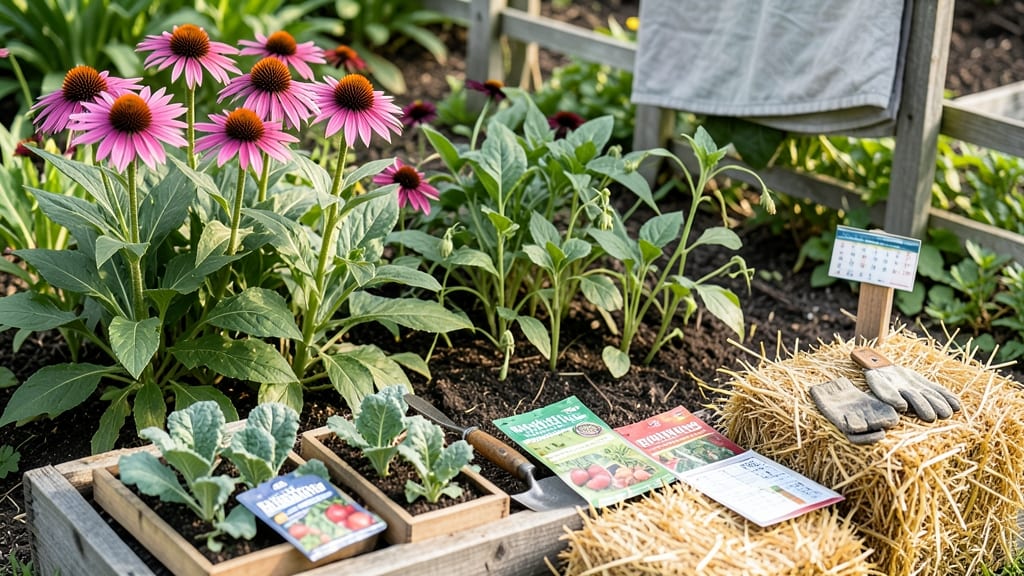
Planting your garden in Minnesota at the right time is all about timing your crops with the state’s unpredictable frost dates—because getting it wrong means either frozen seedlings or a missed harvest.
If you’ve ever watched your tomato seedlings shiver under a late spring frost or seen your zucchini bolt before summer even arrived, you know how quickly things can go wrong.
Minnesota’s USDA Zones 3-5 demand a careful balance between eagerness and patience, especially when cool-season crops like spinach and peas need early starts and warm-season veggies like peppers can’t handle a chill.
With the right schedule—backed by University of Minnesota Extension data—you can sidestep those common pitfalls. I’ll walk you through the exact frost-date windows for each zone, which crops to plant when, and how to adjust for Minnesota’s famously fickle weather.
By the end, you’ll know not just when to plant, but how to protect your garden from late frosts, extend your growing season, and even squeeze in a second planting for a longer harvest. Let’s get those seeds in the ground the smart way.
Minnesota’s frost dates by USDA Zone: when to plant cool vs warm season crops
Minnesota’s short growing season demands precision when planting vegetables and flowers. The state spans USDA Zones 3-5, with last frost dates varying dramatically between northern and southern regions.
In Zone 3 (northern MN), expect your average last frost around May 15-30, while Zone 5 (southern MN) typically sees frost-free conditions by May 1-15. These dates determine whether you’ll grow cool-season crops like spinach or warm-season crops like tomatoes.
Understanding these frost dates helps you avoid common mistakes like planting tomato seedlings too early in cold soil or missing the window for radishes that thrive in cool weather.
For example, in Zone 4 (central MN), you might plant peas as early as April 15 but wait until June 1 for peppers to ensure soil warmth. Let’s break down the critical planting windows for each zone.
Key takeaway: Cool-season crops tolerate light frosts, while warm-season crops need consistent warmth. Use these guidelines to align your planting schedule with Minnesota’s climate patterns.
| USDA Zone | Avg. Last Frost | Cool-Season Start | Warm-Season Start | Example Crops |
|---|---|---|---|---|
| Zone 3 (North) | May 15-30 | April 1-15 | June 15-30 | Peas, Spinach, Kale |
| Zone 4 (Central) | May 1-15 | March 20-April 1 | May 15-June 1 | Lettuce, Radishes, Tomatoes |
| Zone 5 (South) | April 20-May 1 | March 1-April 1 | April 30-May 15 | Peppers, Cucumbers, Basil |
🌱 Note: Adjust dates 1-2 weeks earlier for early varieties or later for late varieties.
For cool-season crops, focus on planting 4-6 weeks before your last frost date. In Zone 3, this means starting spinach or kale by April 1 to ensure a harvest before summer heat.
These crops thrive in 40-65°F soil and can even tolerate light frosts. Use row covers if late frosts threaten.
Warm-season crops like tomatoes and peppers need soil temperatures above 60°F to germinate. In Zone 4, wait until late May to plant seedlings or early June for direct sowing.
If you’re eager to start earlier, use a cold frame or greenhouse to warm the soil. Always check 7-day forecasts before planting warm-season crops.
Succession planting is key in Minnesota’s short season. For example, plant bush beans every 2 weeks from May 15 to June 15 in Zone 4 to extend your harvest.
Similarly, sow lettuce every 3 weeks from April to July for continuous greens. This strategy maximizes your garden’s productivity despite frost risks.
Pro tip: Use heat mats or black plastic mulch to warm soil faster in cooler zones. These tools can shave 1-2 weeks off your planting timeline for warm-season crops.
For instance, in Zone 3, you might start tomato seedlings indoors by March 15 and transplant them after June 1 when soil warms.
Monitor local frost advisories from the MN State Climatology Office for real-time updates. Their 30-year averages are reliable, but microclimates (like urban heat islands) can shift frost dates by 1-2 weeks. For example, Minneapolis (Zone 4b) might see frost 1 week earlier than rural areas nearby.
If you’re new to Minnesota gardening, start with frost-tolerant varieties like ‘Early Wonder’ peas or ‘Winterbor’ kale. These crops are forgiving and give you confidence as you learn your zone’s quirks.
For warm-season crops, opt for fast-maturing varieties like ‘Early Girl’ tomatoes (55 days) to ensure a harvest before frost.
Remember: First frost dates are equally critical for fall planting. In Zone 5, aim to plant cool-season crops like brocc
How to adjust planting timing for Minnesota’s unpredictable weather patterns
Minnesota’s weather can shift faster than a spring snowstorm turning into sunshine, leaving gardeners scrambling to adjust planting schedules. The key to success lies in flexibility—using tools like row covers, cold frames, and succession planting to stretch your growing season.
Even the most experienced gardeners rely on local forecasts from the MN State Climatology Office to fine-tune their timelines, especially in USDA Zones 3-5 where frost dates can vary by weeks.
Instead of sticking rigidly to average frost dates, I’ve learned to think in phases. Early spring might bring a false sense of warmth, but a late freeze can still lurk. By layering protective measures and planning for multiple planting waves, you can turn Minnesota’s unpredictability into an advantage.
For example, spinach and kale can handle light frosts, while tomatoes and peppers need warmth—but with a cold frame, you can start them weeks earlier.
- Use row covers to extend last frost dates by 2-3 weeks for warm-season crops.
- Plant cool-season crops like peas and lettuce 4-6 weeks before the average last frost.
- Install cold frames in early spring to start tomatoes and cucumbers 3-4 weeks earlier.
- Check the MN State Climatology Office for 10-day forecasts before planting heat-loving crops.
- Practice succession planting every 2 weeks for radishes, bush beans, and lettuce.
One of my favorite tricks is using succession planting to keep the harvest flowing. Instead of planting all your bush beans at once, I sow half in early May and the rest in late June.
This way, I avoid a glut of produce all at once and extend the harvest by weeks. It’s especially useful for fast-growing crops like radishes, which mature in as little as 30 days. By staggering plantings, I ensure a steady supply even if the weather throws a curveball.
For warm-season crops like tomatoes and peppers, I rely on cold frames to jumpstart the season. These low-cost structures can add 10-15°F of warmth, allowing me to plant seedlings as early as late April in Zone 4.
Just be sure to remove the covers once temperatures consistently stay above 50°F to prevent overheating. I’ve even seen gardeners use hoop houses made from PVC pipes and plastic sheeting for even more protection.
Don’t forget to monitor soil temperatures—they’re just as critical as air temperatures. Most warm-season crops need soil to stay above 55°F for at least a week before planting. A simple soil thermometer (around $10) can save you from planting too early.
I’ve made the mistake of planting cucumbers when the air felt warm, only to watch them wilt because the soil was still too cold. Always check the University of Minnesota Extension for localized soil temperature guidelines.
Finally, keep an eye on the MN State Climatology Office for weekly outlooks. Their forecasts often predict heatwaves or cold snaps weeks in advance, giving you time to adjust.
For example, if they forecast a 3-day cold snap in late May, I’ll delay planting melons or squash until after the threat passes. It’s all about staying one step ahead of Mother Nature—and with these strategies, you’ll be harvesting long after your neighbors have given up.