
Planting
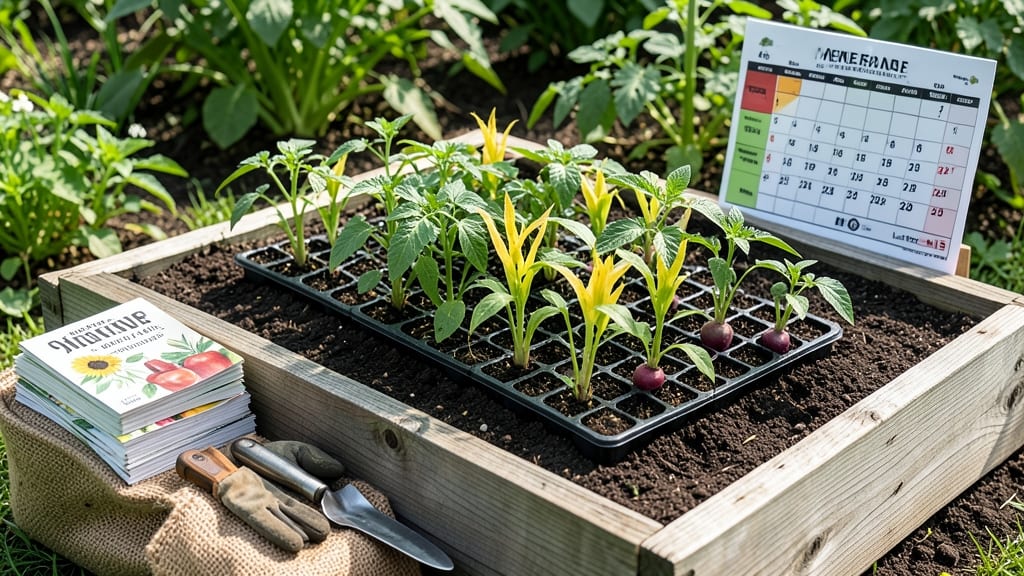
Planting your garden in Nebraska at the right time means the difference between a thriving harvest and a frost-killed disappointment.
Nebraska’s unpredictable frost dates can turn a thriving garden into a failed experiment—or a bountiful harvest—depending on when you plant. Timing is everything, but with the right frost-date schedule, even beginners can grow a successful garden.
Cool-season crops like peas and lettuce can handle Nebraska’s late spring frosts, while warm-season favorites like tomatoes and peppers need to wait until after the last frost—usually mid-April to early May in most zones.
Below, I’ll break down the best planting windows by crop type, frost dates for your specific USDA zone, and pro tips to adjust for Nebraska’s variable weather.
Nebraska frost dates by planting Zone: when to start seeds indoors & outdoors
Nebraska spans USDA Hardiness Zones 5a-7a, meaning frost dates vary dramatically from western plains (Zone 5a) to southeastern hills (Zone 7a). These differences affect when to start seeds indoors and transplant outdoors.
For example, Zone 5a (western NE) averages April 20-May 5 for last frost, while Zone 7a (southeast) sees April 10-May 1. These variations can mean 2-3 weeks difference in planting windows.
Understanding your local frost dates is critical because cool-season crops like peas and spinach thrive in 40-50°F soil, while warm-season crops like tomatoes need 60°F+ soil.
Starting seeds indoors too early can lead to overcrowded seedlings, while starting too late may result in stunted growth before the last frost. Nebraska’s first frost typically arrives between October 15-November 15, depending on elevation and location.
Here’s a quick reference for Nebraska’s USDA Zones 5a-7a and their frost dates. Use this to plan your indoor seed starting and outdoor transplanting schedules:
For cool-season crops like kale, spinach, and peas, start seeds indoors 4-6 weeks before your last frost date. In Zone 5a, that means early March, while Zone 7a gardeners can wait until mid-February.
These crops can handle light frosts and often thrive when planted 2-3 weeks before the last frost date.
Warm-season crops like tomatoes, peppers, and cucumbers need to be transplanted outdoors after the last frost and when soil temperatures reach 60°F+. In Zone 5a, this typically means mid-May, while Zone 7a can start as early as late April.
To extend your growing season, use row covers or cold frames to protect tender seedlings from unexpected late frosts.
Nebraska’s western regions (Zone 5a) often experience colder springs and earlier falls than the southeast (Zone 7a). If you’re in Zone 5a, consider planting fast-maturing varieties of warm-season crops or using black plastic mulch to warm the soil faster.
In Zone 7a, you might have time for two harvests of warm-season crops by starting a second planting in early July.
Always check your local microclimate. Areas near rivers or lakes may have later frosts due to slower warming, while urban areas can be 2-3°F warmer than rural zones. Use a soil thermometer to confirm soil temperatures before planting warm-season crops. For herbs like basil
Best planting schedule for Nebraska vegetables, flowers & herbs by type
Nebraska gardeners know timing is everything—especially when frost can strike anytime between March and November. The key to a successful harvest lies in matching plant hardiness with local frost dates. Most of Nebraska falls in USDA Zones 5a-6b, meaning cool springs and variable summers.
I’ve broken down the best planting windows for your top crops, from frost-tolerant greens to heat-loving tomatoes, so you can plan with confidence.
For cool-season crops, start early—some can handle light frosts, while warm-season plants need to wait until all danger of frost has passed. In most of Nebraska, that means mid-May for western areas and late May for eastern regions.
Below, I’ll walk you through the exact months to plant, whether you’re direct-sowing seeds or transplanting seedlings.
- 🌱 March-April: Start cool-season veggies indoors (lettuce, spinach, peas) and hardy flowers (pansies, snapdragons). Direct-sow peas and spinach outdoors once soil reaches 40°F.
- 🌿 April-May: Transplant broccoli, cabbage, and kale after last frost (typically mid-April in western NE, late April in eastern NE). Direct-sow carrots, radishes, and beets.
- ☀️ May-June: Plant tomatoes, peppers, and eggplants after May 15 (wait for soil > 60°F). Start beans, cucumbers, and squash outdoors once frost risk passes.
- 🌻 June-July: Sow fall crops (kale, Brussels sprouts) for late-season harvests. Succession plant lettuce and radishes every 2 weeks for continuous yields.
- 🌼 August-September: Direct-sow cool-season herbs (parsley, cilantro) and hardy flowers (calendula, asters) for fall blooms.
One of my biggest mistakes early on was planting tomatoes too soon—they wilted when a late frost hit in early May. Now, I use row covers for extra protection until May 30 in most areas.
For herbs like basil, wait until after June 1; they’re frost-sensitive and won’t survive below 50°F.
Don’t overlook succession planting—it’s how I keep my garden productive all season. For example, lettuce and radishes can be sown every 2-3 weeks from April to August. This ensures a steady harvest even when some crops bolt in Nebraska’s hot summers.
I also plant fast-maturing varieties like ‘Early Girl’ tomatoes (65 days) to beat the heat.
For flowers and perennials, timing varies. Annuals like marigolds and zinnias thrive when planted after May 15, while perennials like coneflowers can go in early spring or fall.
My herb garden includes rosemary and thyme, which I plant in May after the last frost—they hate wet soil and do best in well-draining beds.
Pro tip: Use frost cloth to extend your season. I’ve successfully grown spinach into October by covering it when temps drop below 35°F. And if you’re in western Nebraska, where summers are drier, mulch heavily to retain moisture for peppers and tomatoes.
With these adjustments, you’ll avoid the heartbreak of frost-killed plants and enjoy a garden that thrives all season long.