
Planting
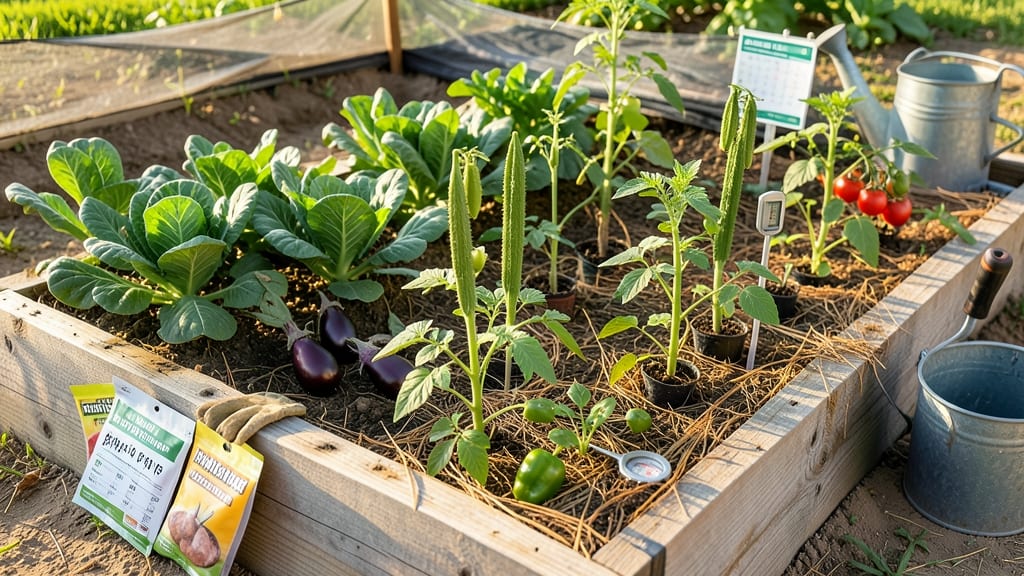
Planting a garden in Florida means working with a climate that lets you grow year-round—but timing is critical to avoid heat stress or missed harvests.
Picture this: you’ve cleared the bed, ordered your seeds, and then a sudden heatwave hits, leaving your seedlings wilting before they even sprout. Florida’s tropical and subtropical zones demand a different approach than most gardening guides suggest.
From North Florida’s cooler winters to South Florida’s relentless summer sun, the best planting windows shift dramatically. Cool-season crops like broccoli and spinach thrive in the mild months, while tomatoes and peppers need to hit the ground before the dog days begin.
In this guide, I’ll break down the exact months to plant in each of Florida’s zones, share heat-tolerant alternatives for summer, and reveal how to stretch your growing season with mulch and shade—so you can enjoy fresh harvests without the guesswork.
Florida planting calendar by zone: best months for vegetables, fruits & herbs
Florida's 11 USDA hardiness zones (8A-9B) create a gardening paradise where cool-season crops and warm-season staples can thrive year-round with the right timing. Unlike northern states, Florida gardeners can grow tomatoes in January and spinach in July—if they follow zone-specific schedules.
The key is understanding when to plant heat-loving plants like okra and when to protect cool-weather crops from summer's intensity.
North Florida (zones 8A-8B) has cooler winters and occasional frost, while South Florida (zones 9A-10A) enjoys year-round growing seasons. This calendar breaks down optimal planting windows for vegetables, fruits, and herbs, including heat-tolerant alternatives for summer planting.
Whether you're in Pensacola (8A) or Miami (10A), these timing guidelines will maximize your harvests.
| Zone | Cool-Season Crops (Jan-Mar) | Warm-Season Crops (Apr-Oct) | Heat-Tolerant Summer Alternatives | Special Notes |
|---|---|---|---|---|
| 8A (Pensacola, Tallahassee) | Broccoli, Spinach, Kale (Jan-Feb) |
Tomatoes, Peppers, Okra (Mar-Apr) |
Sweet Potatoes, Southern Peas (Jun-Jul) |
Protect cool crops with row covers |
| 8B (Gainesville, Ocala) | Lettuce, Carrots, Radishes (Jan-Mar) |
Cucumbers, Eggplant, Basil (Feb-Apr) |
Malabar Spinach, Cowpeas (May-Jun) |
Succession plant every 2 weeks |
| 9A (Orlando, Tampa) | Cabbage, Swiss Chard, Peas (Nov-Jan) |
Peppers, Tomatoes, Squash (Feb-May) |
Okra, Sweet Potatoes, Yam (Jun-Aug) |
Use shade cloth for summer greens |
| 9B (Fort Myers, Naples) | Collards, Mustard Greens (Oct-Dec) |
Tomatoes, Peppers, Herbs (Year-round) |
Peanuts, Black-Eyed Peas (Jun-Jul) |
Plant melons after May 15 |
| 10A (Miami, Key West) | Lettuce, Spinach, Beets (Sep-Nov) |
Tomatoes, Peppers, Eggplant (Year-round) |
Sweet Potatoes, Cassava (Jun-Aug) |
Hurricane season prep needed |
For North Florida zones (8A-8B), focus on early spring planting of cool-season crops like broccoli and spinach, which thrive in 60-70°F soil temperatures. These areas can experience light frosts, so use row covers or cold frames to protect young plants.
Once temperatures rise above 75°F in late spring, shift to warm-season crops like tomatoes and peppers, which need consistent warmth to set fruit.
In Central Florida (9A), gardeners enjoy longer growing seasons with minimal frost risk. This makes it ideal for year-round vegetable production if you rotate crops seasonally. For example, plant cabbage in fall for winter harvests, then follow with squash in spring.
The heat-tolerant Malabar spinach becomes a summer staple here, thriving when traditional spinach would bolt.
Southern Florida's zones 9B-10A offer the most flexibility, allowing tomatoes and peppers to grow year-round. However, summer's intense heat and humidity (often exceeding 90°F) can stress plants.
Use shade cloth (30-50%) for greens and drip irrigation to keep roots cool. Okra and sweet potatoes become summer superstars, while peanuts and black-eyed peas thrive in the heat when other crops struggle.
One critical Florida-specific tip: Avoid planting heat-sensitive crops like lettuce or cilantro during peak summer (June-August) in zones 8A-9A. Instead, opt for succession planting of fast-growing crops like radishes or
How to adjust planting times for Florida’s microclimates and weather quirks
Florida’s climate isn’t one-size-fits-all—what works in Miami’s Zone 10B can fail in Tallahassee’s Zone 8A. Microclimates like urban heat islands (where pavement raises temps by 10°F+) or coastal humidity (90%+ in summer) demand smart adjustments. Even hurricane season (June-November) forces gardeners to time plantings carefully to avoid storm damage.
Your first move? Map your microclimate. Check if your yard sits in a low-lying area (prone to flooding) or a sun-baked patio (where shade cloth becomes essential). Coastal areas need salt-tolerant plants, while inland zones can handle drought-resistant varieties.
I’ve learned that a 5-minute soil temp check (use your finger—if it’s warm to the touch, it’s ready for warm-season crops).
- 1
- 2
- 3
- 4
I’ve found that mulch is my secret weapon—a 4-inch layer of pine straw keeps soil moist, suppresses weeds, and moderates temps. For shade cloth, start with 30% coverage in summer and reduce to 10-20% in fall to let more light reach cool-season crops.
Pro tip: Drip irrigation paired with mulch cuts water use by 30-50% in Florida’s heat.
Don’t overlook succession planting. In Zone 9A, I plant bush beans in February, again in August, and even a third time in October for a fall harvest.
This works for lettuce, kale, and carrots too. Just adjust timing based on your last frost date (usually mid-January in North Florida vs. rarely in South Florida).
For extreme zones, like Apalachicola’s Zone 8B, I recommend cool-season crops (broccoli, cabbage) in winter and heat-tolerant varieties (like ‘Heatmaster’ tomatoes) in summer. In Miami’s Zone 10B, I skip winter planting entirely and focus on year-round tropicals (peppers, eggplant) with light shade in peak summer.
Remember: Florida’s growing seasons overlap. While North Florida enjoys cool winters, South Florida faces heat stress year-round. The key is matching plants to microclimates and using season extenders like row covers or cold frames.
With these tweaks, you can garden successfully in any corner of the Sunshine State. 🌱