
Planting
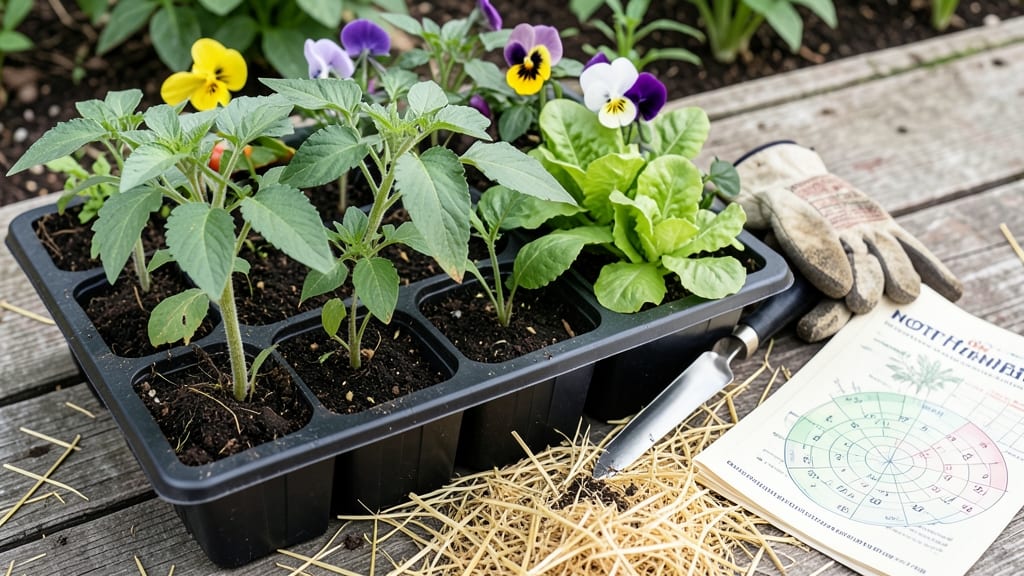
Planting your garden in NC at the right time means the difference between a thriving harvest and a wasted season — and the window opens as early as mid-March for cool-season crops.
North Carolina’s diverse climate—from the mountains to the coast—means planting times vary wildly. Get the timing wrong, and your 🌱 General Garden Plants (NC) could struggle or fail entirely. But with the right zone-specific schedule, you’ll maximize yields and avoid common pitfalls that plague NC gardeners.
Whether you’re in the Piedmont’s 7a-8b zones or the Coastal Plain’s humidity, knowing when to start seeds indoors versus outdoors is the key. I’ll break down the exact frost dates, soil temperature thresholds, and regional adjustments so you never miss a planting window again.
From leafy greens in spring to tomatoes in fall, you’ll discover the best crops to plant by month—plus how to stretch your growing season with simple tricks. Let’s get your NC garden on the right track!
NC planting zones explained: when to start seeds indoors vs outdoors
North Carolina spans USDA zones 7b through 8a, creating dramatic differences in planting schedules from the mountains to the coast.
In the Piedmont region (7b), like Raleigh, last frosts typically hit March 15, while Coastal Plain (8a), such as Wilmington, often sees frost-free conditions by February 28.
The Mountains (7a-7b), like Asheville, can experience frosts until April 1—meaning your planting window shifts by weeks depending on where you live.
Understanding these zones helps you time seed starts indoors and direct sow outdoors for maximum success.
Cool-season crops like kale and broccoli thrive when planted 4-6 weeks before your last frost date, while warm-season favorites like tomatoes and peppers need to wait until soil temperatures hit 60°F+—usually April 15-May 1 in most of NC. Let’s break down the exact timing for your region.
| Region | Last Frost Date | Start Cool-Season Indoors | Direct Sow Cool-Season | Start Warm-Season Indoors | Direct Sow Warm-Season |
|---|---|---|---|---|---|
| Mountains (Asheville, Boone) | April 1 | Feb 15-Mar 1 | Mar 20-Apr 10 | Mar 1-Mar 15 | May 1-May 15 |
| Piedmont (Raleigh, Charlotte) | March 15 | Jan 20-Feb 15 | Feb 20-Mar 15 | Feb 15-Mar 1 | Apr 15-May 1 |
| Coastal Plain (Wilmington, Fayetteville) | February 28 | Dec 15-Jan 15 | Jan 20-Feb 15 | Jan 15-Feb 1 | Mar 15-Apr 1 |
For cool-season crops, such as lettuce, spinach, and peas, starting seeds indoors 4-6 weeks before your last frost date gives them a head start. In the Piedmont, that means January 20-February 15, while Coastal gardeners can begin as early as December 15.
These seedlings will be hardy enough to transplant outdoors as soon as soil temperatures dip below 80°F.
Warm-season crops like tomatoes, peppers, and basil require soil temperatures of 60°F+ to thrive. In the Mountains, this typically aligns with May 1-May 15, while Coastal regions can direct sow as early as March 15-April 1.
Starting these seeds indoors 4-6 weeks before your last frost ensures they’re ready to transplant when conditions are ideal.
One common mistake NC gardeners make is planting warm-season crops too early, which leads to stunted growth or even death from cold snaps. Always check your soil temperature with a thermometer—60°F is the magic number for most warm-season vegetables.
If your soil is cooler, hold off and use row covers or cold frames to protect tender seedlings.
In the Coastal Plain, where humidity is higher, you can extend your growing season by planting fall crops like kale and carrots as early as July 15. However, in the Mountains, where nights get chilly faster, aim for August 1 to avoid early frosts.
Always monitor your local frost forecast—tools like the NC State Extension’s Frost Calculator are invaluable for planning.
If you’re growing herbs like basil or cilantro, timing is critical. Basil, a warm-season herb, should only be planted after your last frost, while cilantro thrives in cooler weather and can even handle light frosts.
For perennials like asparagus, plant crowns in early spring (March-April) so they establish roots before summer heat sets in.
Pro tip: Use
Best crops to plant by month in north Carolina (with frost risk alerts)
North Carolina’s diverse climate means your spring planting in Raleigh won’t match Wilmington’s schedule. Frost-sensitive crops like tomatoes and peppers demand precision timing, while hardy greens like kale and spinach thrive in cooler months.
The key? Knowing your last frost date—typically mid-March in Piedmont but April 1 in Coastal regions—and adjusting for microclimates.
For early spring, focus on cool-season crops like lettuce, peas, and broccoli. These can handle light frosts and even grow faster in 50-60°F soil. Meanwhile, warm-season crops like cucumbers and beans wait until after May 15, when soil temps hit 60°F consistently.
Companion planting with basil or marigolds can extend your harvest window by repelling pests and improving flavor.
Here’s your month-by-month planting guide, including frost risk alerts and companion planting tips to maximize your NC garden’s potential:
For late fall, prioritize frost-hardy crops like garlic and onions, which can overwinter and reward you with early harvests. Use row covers to extend your spinach and kale season into December, especially in Coastal NC, where frost arrives later.
In mountain regions, first frost hits by November 15, so plan accordingly.
Pro tip: Direct-sow seeds like carrots and radishes in March for quick harvests, while transplanting seedlings of tomatoes and peppers after May 1 ensures stronger roots. Always check soil temperature—warm-season crops won’t thrive until it hits 60°F for 7+ days.
Remember, microclimates matter. A south-facing slope warms faster than a shady corner, so adjust planting dates by 1-2 weeks if needed. With this guide, you’ll avoid frost damage and wasted effort, ensuring a bountiful harvest from spring to fall.