
Planting
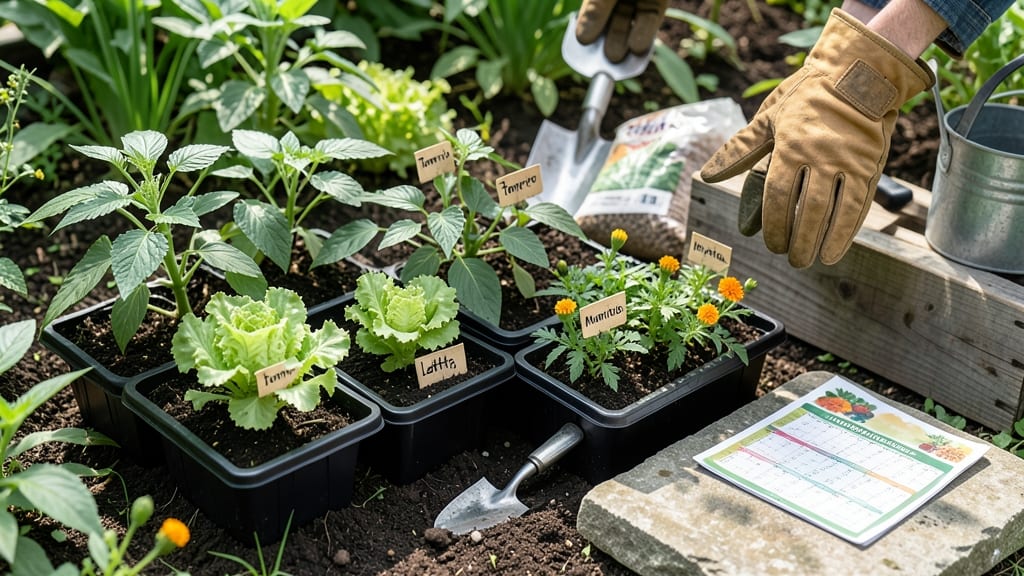
Planting a garden in North Carolina at the right time means the difference between a bountiful harvest and a sad pile of frost-nipped seedlings.
North Carolina’s diverse climate means your garden’s success hinges on timing—plant too early and risk frost damage, too late and miss peak harvests. Here’s your zone-by-zone, plant-by-plant guide to mastering NC’s frost dates and planting windows.
From the Coastal Plain’s mild winters to the Mountains’ late springs, each region has its own rhythm. Whether you’re sowing cool-loving greens in early spring or waiting for the soil to warm before tomatoes go in, knowing your last frost date is the key to avoiding common mistakes.
Below, I’ll break down the best months for planting by crop type, how to adjust for unpredictable weather, and the one trick that buys you an extra two weeks of growing time—no matter where in NC you garden.
NC frost dates by planting Zone: your critical timing calendar
North Carolina spans USDA Hardiness Zones 7a through 8b, creating wildly different frost patterns from the coastal plains to the mountains. These zones dictate when to plant your cool-season crops (like broccoli and spinach) versus warm-season favorites (tomatoes, peppers).
Get the timing wrong, and you’ll either lose plants to frost or miss peak harvests.
Spring frost dates in NC range from mid-February in Zone 8b (coastal areas) to late April in Zone 7a (mountains). Fall frosts arrive earlier in the mountains (early October) than the coast (mid-November).
Understanding these windows helps you plan for direct sowing, transplanting, and succession planting.
Below is your zone-by-zone frost calendar, including average last spring frost dates, first fall frost dates, and the planting windows they create for both cool- and warm-season crops. Use this as your guide to avoid common timing mistakes that waste seeds and effort.
🌱
In Zone 7a (mountains), where frosts linger later into spring, start cool-season crops like lettuce and peas as early as March 1. Wait until mid-May to plant warm-season crops like tomatoes and peppers, as earlier plantings risk frost damage.
The shorter growing season means you’ll need to focus on fast-maturing varieties and succession planting.
For Zone 8b (coastal), where winters are milder, you can plant spinach and kale as early as January. Warm-season crops like okra and sweet potatoes can go in the ground by mid-February, giving you a longer harvest window.
However, even coastal areas can experience unexpected late frosts, so always have frost cloth ready.
In Zone 7b (Piedmont), the most populous gardening region in NC, aim to plant cool-season crops by February 15 and warm-season crops by April 15. This zone offers a balance, allowing for two full harvest cycles in a year if you plan carefully.
For example, plant broccoli in early spring and again in late summer for a fall harvest before frost.
Pro tip: Use microclimates to your advantage. A south-facing wall or urban heat island can extend your growing season by 2–4 weeks. For instance, in Raleigh (Zone 7b), you might plant tomatoes near a brick wall in early April when the rest of the garden is still too cold.
Always check your local Cooperative Extension Service for year-specific adjustments, as frost dates can shift by 1–2 weeks due to climate patterns. For example, 2023 saw early frosts in the mountains, pushing first fall frosts into mid-September in some areas.
🌿
Best planting times for NC vegetables, flowers & herbs by type
Timing your North Carolina garden correctly means the difference between a bountiful harvest and wasted effort. Since NC spans USDA Zones 7a-8b, I’ve tailored these schedules to match the state’s coastal, Piedmont, and mountain regions.
Warm-season crops like tomatoes and peppers need soil temps above 60°F, while cool-season broccoli and pansies thrive in 50-60°F ranges.
For continuous harvests, use succession planting—sow seeds every 2-3 weeks for lettuce or every 10 days for radishes. Coastal areas (like Wilmington) can plant 2-4 weeks earlier than the mountains (like Asheville), thanks to milder winters. Always check your local frost dates—they’re your garden’s GPS!
🌱 NC Planting Schedule by Type
- 1 Warm-Season Veggies (Tomatoes, Peppers, Basil): Plant after last frost (April 15-May 1 in Piedmont, March 15-April 15 coastal). Use black plastic mulch to warm soil faster in mountains.
- 2 Cool-Season Veggies (Broccoli, Kale, Spinach): Start seeds indoors 6-8 weeks before last frost or direct-sow Feb-March (coastal) or March-April (mountains). Fall planting: July-August for harvest before first frost.
- 3 Flowers (Pansies, Marigolds, Zinnias): Pansies tolerate light frost—plant Sept-Oct for winter color or March-April for spring blooms. Annuals like zinnias need warm soil (May-June).
- 4 Herbs (Basil, Cilantro, Parsley): Basil hates cold—wait until after May 15 in Piedmont. Cilantro bolts in heat; sow Sept-Oct for fall/winter harvests. Parsley is biennial—plant spring or fall.
- 5 Succession Planting Tips: For lettuce or bush beans, sow every 2 weeks from spring to July 1. For radishes, plant every 10 days—they mature in 25-30 days!
Pro tip: Use frost cloth to extend your spring planting window by 2-3 weeks if late frosts threaten. In the mountains, wait until May 15 for tomatoes—soil warms slower at higher elevations. Coastal gardeners can start peppers indoors in February for an early jump.
Don’t overlook fall planting! Many cool-season crops like kale and carrots thrive when sown in August for harvests before the first frost (October-November). Just aim to plant 6-8 weeks before your expected frost date. For example, if frost hits November 1, sow by September 15.
Adjust for microclimates: A south-facing wall can warm soil by 5-10°F, letting you plant warm-season crops 1-2 weeks earlier. Shade from trees? Choose partial-shade plants like Swiss chard or lettuce. Always test your soil—NC’s clay-heavy soils benefit from compost to improve drainage.
Remember: Patience pays off. Rushing tomato plants into cold soil causes blossom end rot, while waiting too long means bolting in lettuce. Bookmark this guide, and your NC garden will thank you with abundant, timely harvests all season long! 🌿