
Planting
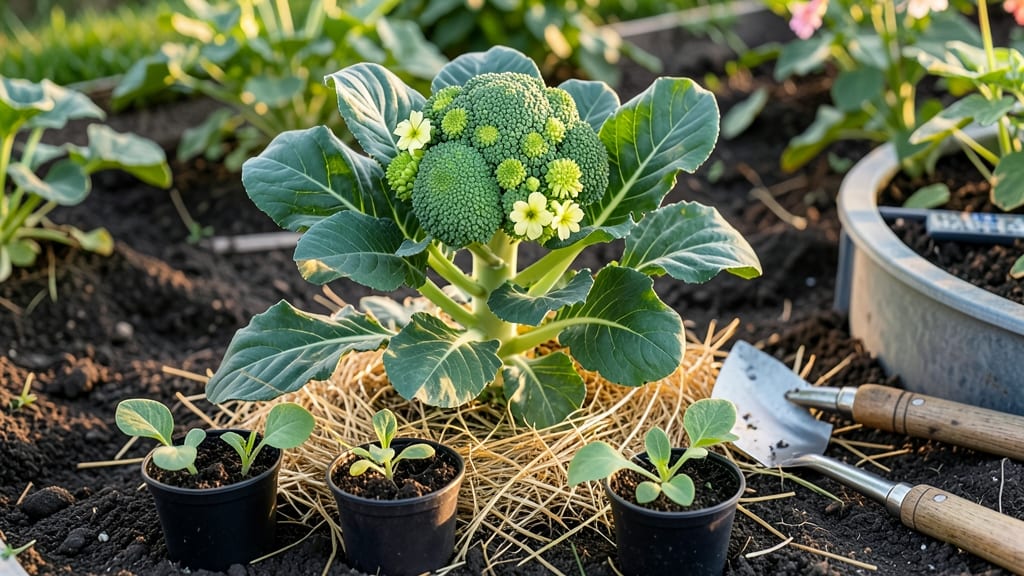
Plant a winter garden in Florida between mid-September and early November to catch the sweet spot before temperatures dip too low for most crops.
You’ve got three months to get it right—too early, and summer heat will stress seedlings; too late, and you’ll miss the fastest growth window before spring arrives. Florida’s frost-free zones (8a-11) mean no freezing nights, but timing still matters for avoiding heat stress and maximizing harvests.
This guide breaks down the exact planting dates by zone, the best cold-hardy crops for Florida winters, and how to shield your garden from unexpected chills. No more guessing—just a clear roadmap to a fast, bountiful winter harvest.
Ready to grow? We’ll cover soil prep, irrigation tricks, and the top 5 vegetables that thrive in Florida’s mild winters—plus how to extend your harvest well into spring.
Florida winter planting calendar by Zone: exact dates for fast-growing vegetables
Florida’s 11 USDA zones create unique microclimates, meaning your winter planting dates depend heavily on where you live. Unlike northern states, Florida rarely faces frost, but cool-season crops still need precise timing to thrive.
In Zone 8a (North Florida), you’ll plant earlier than in Zone 10b (South Florida) to avoid heat stress while maximizing harvests before summer’s return. Let’s break down the exact windows for your zone.
For fast-growing vegetables like lettuce, spinach, and radishes, timing is critical. These crops mature in 30-60 days, so planting too late means harvests coincide with rising spring temperatures. Meanwhile, broccoli and kale take 60-90 days to reach maturity, giving you a wider window—but still requiring careful scheduling.
Below, I’ve mapped out the ideal planting dates for Florida’s three main regions: North, Central, and South.
| Zone & Region | Fast-Growing Crops (30-60 Days) | Medium-Growing Crops (60-90 Days) | Planting Window | Frost Risk |
|---|---|---|---|---|
| North Florida (Zones 8a-8b) | Lettuce, Radishes, Spinach, Arugula | Broccoli, Kale, Collards, Carrots | Late August to mid-October | Low (possible light frost in Dec) |
| Central Florida (Zones 9a-9b) | Radishes, Turnips, Mustard Greens, Bok Choy | Cabbage, Swiss Chard, Peas, Beets | Early September to November | Very Low |
| South Florida (Zones 10a-11) | Bok Choy, Mustard Greens, Lettuce (heat-tolerant) | Collards, Kale, Green Onions, Peas | September to early December | None |
| 🌱 Key Notes: | ||||
| • Succession plant fast crops every 2 weeks for continuous harvests. | ||||
| • Use shade cloth in summer to protect seedlings if planting early. | ||||
| • Mulch heavily in North Florida to prevent soil temp drops. | ||||
In North Florida (Zones 8a-8b), where temperatures dip slightly in winter, focus on planting by mid-October to ensure crops mature before spring heat arrives. For example, spinach sown in late August will bolt by April, while broccoli planted in September will be ready by December.
If you’re in Zone 8a, monitor weather forecasts for rare frost events—even a light freeze can damage tender greens like lettuce.
Central Florida gardeners in Zones 9a-9b have the most flexibility. You can start radishes and turnips as early as early September and enjoy harvests by November, then replant for a January-March crop. For broccoli and cabbage, aim for late September plantings to harvest before temperatures rise in April.
The key here is avoiding the hottest summer months, which can stress even cold-hardy crops.
If you live in South Florida (Zones 10a-11), you’re in the sweet spot for winter gardening.
Here, you can plant year-round, but focus on September-December for the best results. Collards and kale thrive in these zones, growing slowly in winter and bolting only when temperatures climb above 85°F.
For fast crops, succession plant bok choy and mustard greens every 3 weeks for a steady supply.
One common mistake Florida gardeners make is planting too late for winter crops, only to see them struggle in spring’s rising temperatures. For instance, lettuce planted in November in North Florida may turn bitter by March.
To avoid this, use heat-tolerant varieties like Black Seeded Simpson lettuce or Vates kale, which handle Florida’s mild winters better than standard
Best winter vegetables for Florida gardens: what to plant for year-round harvests
Florida’s winter garden thrives on heat-tolerant varieties that perform well in 60-75°F temperatures. Unlike northern climates, you can grow leafy greens, root crops, and brassicas year-round with the right selection.
My top picks include collard greens, mustard greens, and carrots, which handle Florida’s mild winters beautifully while delivering fast harvests in 30-60 days.
For succession planting, focus on short-day crops like lettuce and spinach. These thrive when days shorten after September 22nd. Pair them with longer-season crops like broccoli and cabbage, which mature in 60-90 days. This strategy ensures continuous harvests from December through April without gaps.
Companion planting maximizes space and deters pests. For example, radishes (ready in 25 days) repel cucumber beetles when planted near cucumbers or melons. Meanwhile, onions and garlic improve the flavor of nearby leafy greens while keeping aphids at bay. These pairings save space and boost yields in small urban gardens.
When to Plant a Winter Garden in Florida
- ✅ Extend harvests beyond summer
- ✅ Avoid pests like squash bugs
- ✅ Soil stays warm longer than northern states
- ✅ Heat-tolerant varieties thrive in 60-75°F
- ❌ Late September planting risks heat stress
- ❌ Zone 8a frost risk in December
- ❌ Succession planting requires discipline
- ❌ Pests like slugs thrive in damp winters
Cool-season crops like lettuce and spinach prefer 50-65°F temperatures, while warm-season favorites such as collards and turnips handle up to 80°F. My go-to varieties include ‘Winter Density’ lettuce (heat-tolerant) and ‘Georgia Southern’ collards (disease-resistant).
For root crops, ‘Danvers’ carrots and ‘Purple Top’ turnips are reliable performers in Florida’s sandy soil.
To maximize space, interplant fast growers like radishes with slow maturers such as broccoli. Radishes (30 days) clear space for broccoli (90 days) without competition. Use vertical supports for peas and pole beans to save ground space while adding nitrogen to the soil.
This method keeps your garden productive in small areas like balconies or raised beds.
Start seeds indoors 4-6 weeks before your target transplant date to give seedlings a head start. For Florida, this means mid-August for late September planting. Use biodegradable pots to avoid root disturbance when transplanting.
Harden off seedlings by placing them outdoors for 2-3 hours daily the week before transplanting to reduce shock.
My top 5 winter crops for Florida gardens are: collard greens, mustard greens, carrots, broccoli, and radishes. These deliver fast harvests, pest resistance, and adaptability to Florida’s microclimates. With proper succession planting and companion pairings, you’ll enjoy fresh produce year-round—even in the "winter" months.