
Planting
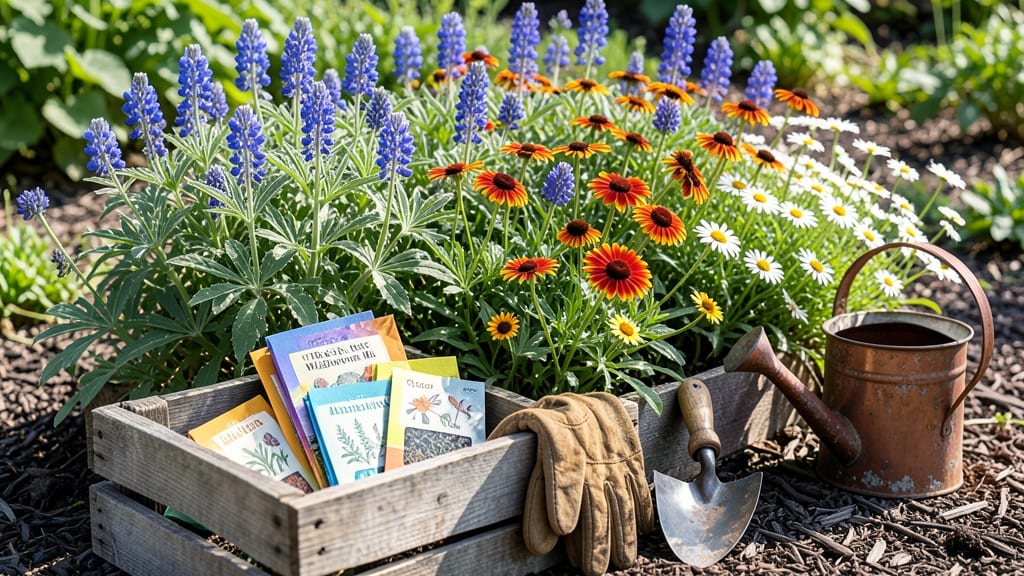
Planting a garden in Central Texas means working with the brutal-but-beautiful timing of scorching summers and surprise freezes.
If you’ve ever rushed seeds into the ground only to watch them wilt under July’s heat—or waited too long and lost your fall harvest to an early frost—you know how quickly things can go wrong.
The key to success lies in knowing exactly when to plant, down to the week, for each type of crop.
With USDA Zones 8a-8b and 220 frost-free days, Central Texas offers a longer growing season than most gardeners realize. But without the right schedule, you’ll miss out on continuous harvests from spring through fall.
Below, I break down the perfect planting windows for vegetables, flowers, and herbs—plus how to adjust for microclimates and heat-sensitive varieties—so you can finally grow a garden that thrives year-round.
Central Texas first frost & last frost dates: your planting calendar by month
Central Texas gardeners know timing is everything—one late frost can wipe out tender seedlings, while planting too early in summer risks bolting or wilting.
The average last frost date in cities like Austin, Waco, and San Antonio typically falls around March 15, while the first frost arrives around November 15.
However, these dates shift slightly based on USDA Zones 8a (colder) and 8b (warmer), microclimates, and elevation differences like the Hill Country.
Understanding these frost dates helps you align your planting schedule with your garden’s natural rhythm. For example, cool-season crops like lettuce and broccoli thrive in the mild winters, while warm-season crops such as tomatoes and peppers need the soil to warm to at least 60°F before planting.
Let’s break down the best months to plant for each season and how to adjust for your specific location.
Microclimates matter: Urban areas like downtown Austin can be 5-10°F warmer than rural Hill Country, delaying frost dates by up to 2 weeks. Always check local weather trends and use row covers or cold frames to extend seasons in unpredictable years.
| Month | Cool-Season Crops | Warm-Season Crops | Soil Temp (°F) | Notes |
|---|---|---|---|---|
| February | Peas, Spinach, Lettuce | None (too cold) | 50-60°F | Start seeds indoors for early spring |
| March | Broccoli, Kale, Carrots | Tomatoes (after last frost) | 60-70°F | Wait until March 15 for warm crops |
| April | Radishes, Green Onions | Peppers, Okra, Cucumbers | 70-80°F | Direct sow after soil warms |
| May | None (heat-sensitive) | Sweet Potatoes, Corn, Eggplant | 75-85°F | Use shade cloth for seedlings |
| June-July | None (peak heat) | Okra, Southern Peas, Melons | 80-90°F | Water deeply 2-3x/week |
| August | None (transition month) | Late tomatoes, Peppers | 75-80°F | Prepare for fall planting |
| September | Lettuce, Spinach, Arugula | Sweet Potatoes, Pumpkins | 65-75°F | Ideal for fall harvests |
| October | Broccoli, Cabbage, Peas | None (cooling down) | 60-70°F |