
Planting
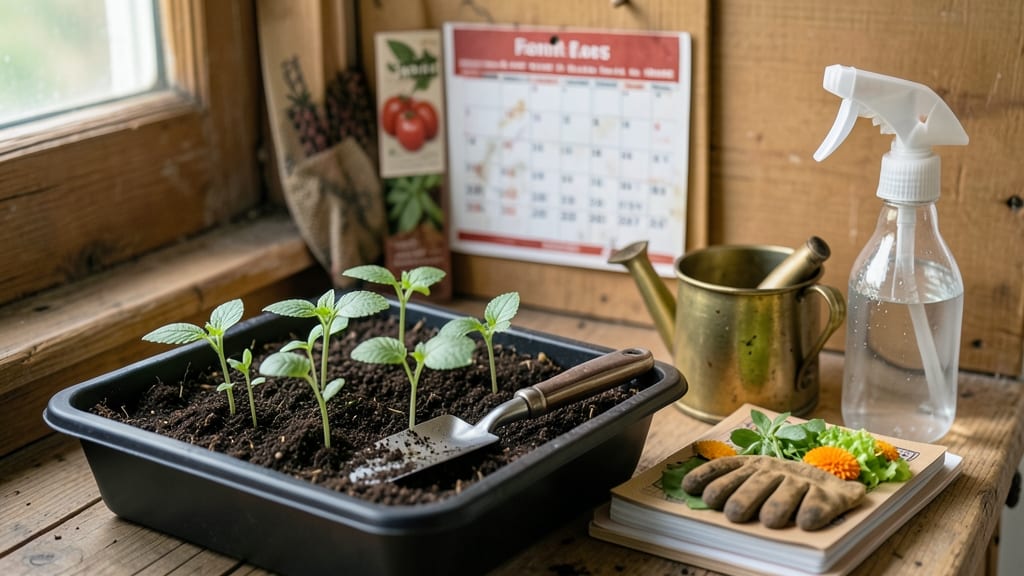
To plant seeds in the garden at the right time means catching that narrow window between frost and heat—too early and they’ll rot, too late and you’ll miss the harvest.
Timing your seed planting wrong can mean wasted effort—or worse, no harvest at all. But with the right frost-date calculator and crop-specific guidelines, you can maximize your garden’s potential and avoid common mistakes that even experienced gardeners make.
Most seed packets give a range, but your local frost dates and USDA zone are the real game-changers.
For example, in Zone 6a, spring seeds like peas can go in as early as March, while tomatoes need to wait until after the last frost in April—and that’s just the start.
Below, I’ll break down how to use frost dates, adjust for your microclimate, and pick the best planting months for your favorite 🌱 General Garden Seeds. No more guessing—just a foolproof plan for a bountiful harvest.
How to use frost dates to determine seed planting times by USDA Zone
Understanding your last spring frost date and first fall frost date is the foundation of successful seed planting. These dates create your planting windows—the perfect timeframes for sowing cool-season and warm-season crops.
Without this knowledge, even the hardiest seeds can fail, leaving you with bolted lettuce or frozen tomatoes. I’ve learned this the hard way after planting peppers two weeks too early in Zone 6a!
Your USDA hardiness zone (3-11) directly impacts your frost dates. For example, Zone 3 gardeners face a 150-day growing season, while Zone 10 enjoys 300+ frost-free days. The key is using these dates to calculate when to start seeds indoors, transplant seedlings, or direct-sow outdoors.
Let’s break it down step by step so you can avoid my pepper disaster and grow a thriving garden.
First, find your frost dates. The USDA provides average last frost dates by zone, but your local weather patterns may vary. Check resources like the National Oceanic and Atmospheric Administration (NOAA) or your local cooperative extension service for precise data. For example, in Zone 7b, the average last frost is April 15, but early frosts can push this to May 1. Always add a 2-week buffer for safety.
Next, categorize your crops into cool-season (e.g., lettuce, peas, spinach) and warm-season (e.g., tomatoes, peppers, cucumbers). Cool-season crops thrive in cooler temperatures (40-75°F) and can often tolerate light frosts, while warm-season crops need consistent warmth (above 50°F) and will die if exposed to frost.
Knowing this helps you align planting with your frost dates.
Here’s how to use frost dates for cool-season crops:
- Direct-sow outdoors 4-6 weeks before your last frost date (e.g., if frost is April 15, plant by March 1).
- Start indoors 6-8 weeks before transplanting (e.g., for Zone 5b with a May 15 frost, start by March 15).
- Fall planting: Sow 8-10 weeks before your first frost (e.g., Zone 6a with October 15 frost = plant by August 1).
Warm-season crops require a different approach:
- Wait until after your last frost to direct-sow (e.g., Zone 8a with April 1 frost = plant after April 15).
- Start indoors 6-8 weeks before your last frost (e.g., Zone 4a with May 15 frost = start by March 15).
- Use row covers if early planting is necessary, but avoid frost exposure at all costs.
| USDA Zone | Last Frost Date | First Frost Date | Cool-Season Planting Window | Warm-Season Planting Window |
|---|---|---|---|---|
| Zone 3 | May 15 | September 15 | March 1 - April 30 | After May 15 |
| Zone 4 | May 1 | October 1 | February 15 - April 15 | After May 1 |
| Zone 5 | April 15 | October 15 | January 15 - May 1 | After April 15 |
| Zone 6 | April 1 | November 1 | February 1 - May 15 | After April 1 |
| Zone 7 | March 15 | November 15 | January 1 - May 31 | After March 15 |
| Zone 8 | February 15 | December 15 | November 1 - June 30 | After February 15 |
Zone
Best planting times for common vegetables, Herbs, and Flowers by crop typePlanting seeds at the wrong time can turn your garden dreams into disappointment. Whether you're growing tomatoes, basil, or marigolds, each crop has specific windows for success. Understanding whether a plant thrives in cool weather, warm weather, or needs a long growing season makes all the difference. Let’s break down the best times to plant your favorites, so you can avoid common pitfalls like bolting lettuce or stunted tomatoes. For most gardeners, the key is knowing your last frost date and adjusting for your USDA hardiness zone. Cool-season crops like spinach or peas can handle light frost, while warm-season plants like peppers or cucumbers need soil temperatures above 60°F (15°C) to germinate. Below, I’ll share my go-to planting schedule for popular crops, categorized by whether they’re best sown directly in the garden or started as transplants. 🌱 Numbered Highlights
If you’re in a warmer climate (zones 9-11), adjust your schedule: cool-season crops might need fall planting instead of spring, and warm-season crops can often go in earlier. For example, in Zone 10, I plant tomatoes in February for an early harvest, while in Zone 5, I wait until May. Always check your seed packet for days-to-maturity and adjust accordingly. Pro tip: Use a planting calendar or app to track your frost dates and set reminders for each crop’s ideal window. I swear by Old Farmer’s Almanac for local frost predictions, but even a simple gardening journal helps you refine your timing year after year. For instance, my lettuce always bolts by June in my zone, so I now plant successive crops every 2 weeks in spring for a steady harvest. Remember, soil temperature matters just as much as air temperature. Use a soil thermometer to confirm it’s warm enough for warm-season seeds—they won’t germinate in cold soil, no matter how sunny it is. And if you’re unsure, start seeds indoors 4-6 weeks before transplanting to give them a head start. With these guidelines, you’ll avoid the heartbreak of wasted seeds and maximize your garden’s potential! |