
Planting
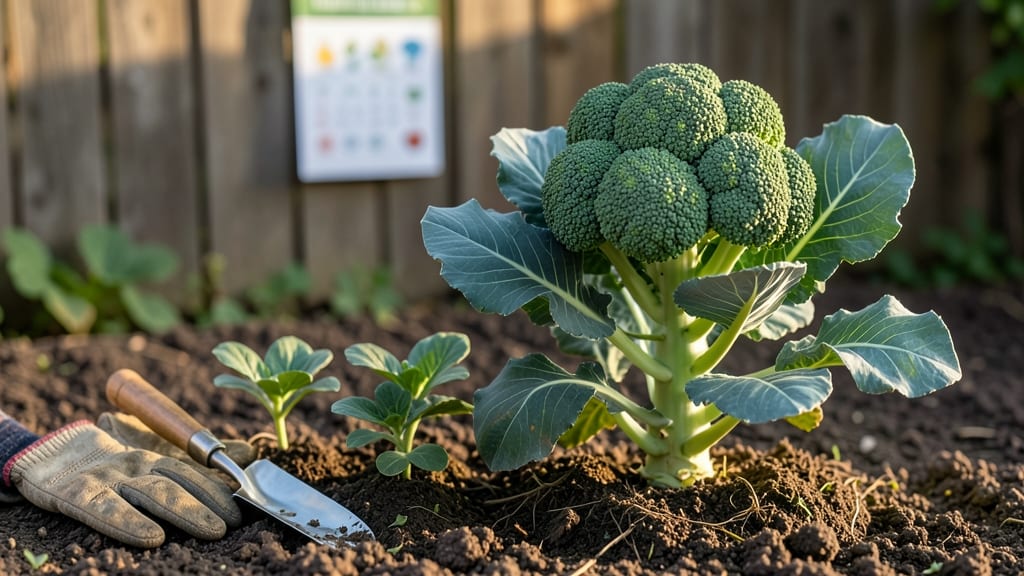
Planting your fall garden in Zone 7 4-6 weeks before the first frost—around mid-September to early October—is the key to a harvest that beats winter’s bite.
Missed your spring planting window? Don’t worry—Zone 7 gardeners can still grow a thriving fall harvest with precise timing. Plant too early, and you’ll face summer’s heat; too late, and frost will ruin your crops. Here’s the exact schedule to maximize your fall garden’s potential.
This isn’t just about tossing seeds in the dirt—it’s about knowing which crops thrive in cooler weather, like kale, carrots, and broccoli, and how to prep your soil for a second act.
The right timing means fewer weeds, stronger roots, and a garden that keeps giving until the snow flies.
Below, I’ll break down the perfect planting calendar for your Zone 7 patch, plus pro tips to stretch your harvest into December. Ready to turn late summer into a bounty?
Fall planting calendar for Zone 7: exact dates by plant type
Zone 7 gardeners have a golden window for fall planting—just 4-6 weeks before your first frost (typically Oct 15–Nov 15). This schedule balances heat-sensitive seedlings with cool-season maturity, ensuring a harvest before winter sets in.
Start with slow-growing crops like broccoli and carrots in early August, while faster growers like radishes can wait until September.
Your soil temperature is critical—aim for 50–70°F for most fall crops.
Use a soil thermometer to avoid planting too early when heat stress stunts growth. Direct-sowing (like lettuce or spinach) thrives in late summer, while transplants (such as kale or cabbage) need established roots before cooler temps arrive.
First frost in Zone 7 arrives Oct 15–Nov 15, but microclimates vary. Urban areas may frost 2 weeks earlier, while coastal regions can delay frost by 3+ weeks. Adjust your timeline by 10–14 days if you’re in a warmer microclimate or use row covers to extend harvests.
| Plant Type | Planting Window (Zone 7) | Days to Maturity | Frost Tolerance | Notes |
|---|---|---|---|---|
| Leafy Greens (Lettuce, Spinach, Kale) | Aug 1–Sept 15 | 30–60 days | High (survives light frost) | Sow directly; thin seedlings. Succession plant every 2 weeks. |
| Brassicas (Broccoli, Cabbage, Cauliflower) | July 15–Aug 15 (transplant) | 60–90 days | Moderate (protect from hard frost) | Start indoors 6–8 weeks before transplant. Harvest before heavy frost. |
| Root Crops (Carrots, Beets, Radishes) | Aug 1–Sept 30 | 40–70 days | High (radishes tolerate frost) | Loosen soil to prevent forking. Radishes mature fastest. |
| Alliums (Onions, Garlic, Leeks) | Aug 1–Sept 1 | 90–120 days | High (overwinters well) | Plant sets or seeds. Leeks can stay in ground until spring. |
| Herbs (Parsley, Cilantro, Dill) | Aug 15–Sept 15 | 30–50 days | Moderate (protect from hard frost) | Cilantro bolts in heat; parsley is frost-hardy. |
| Flowers (Pansies, Snapdragons, Calendula) | Aug 1–Sept 15 | 45–75 days | High (many bloom in cool weather) | Add color contrast to edible gardens. Pansies thrive in fall. |
For fastest harvests, prioritize radishes (30 days) and lettuce (40 days) in late August.
These cool-loving crops bolt in summer heat, so avoid planting before July 15 unless you use shade cloth. Succession planting every 2 weeks ensures a steady supply—sow spinach in August, then again in September for a fall/winter harvest.
Extend your season with row covers or cold frames to protect delicate crops like bok choy or arugula from light frosts. These tools add 4–6°F protection, letting you harvest 2–3 weeks longer. Hardy greens like kale actually sweeten after frost, making them ideal for late-season harvests.
If you’re starting from seed, begin indoors 4–6 weeks before transplanting. Brassicas (like broccoli) need longer growing times, so start them by July 1 for a fall harvest. Herbs like dill self-seed easily—let some bolt to attract pollinators while harvesting others.
Monitor your local frost dates using the National Weather Service or Almanac tools. In Zone 7’s cooler microclimates (e.g., mountainous areas), frost may arrive <
How to adjust planting times for your specific Zone 7 microclimate
Zone 7’s average first frost date of October 15–November 15 is just a starting point. Your urban heat island, mountain elevation, or coastal breezes can shift that window by weeks.
For example, concrete jungles may delay frost until November 30, while high-altitude gardens could see frost as early as October 1. Understanding these microclimates lets you fine-tune your planting schedule for a longer harvest.
Start by identifying your local frost dates—check with nearby weather stations or use USDA frost maps. Then, adjust planting times based on your specific conditions.
For instance, coastal areas with milder winters might plant spinach or kale as late as October 15, while inland gardens should aim for September 15 to avoid early frosts.
A soil thermometer ($15–$25) helps track root-zone temperatures, ensuring seeds like carrots (ideal at 50–65°F) or broccoli (ideal at 60–70°F) get the perfect start.
- Urban Heat Islands: Plant heat-sensitive crops (e.g., lettuce, radishes) 2–3 weeks earlier (late July–early August) to avoid 90°F+ soil. Use shade cloth for seedlings.
- High-Altitude Areas: Shift planting 1–2 weeks later (e.g., kale in early September) due to cooler nights. Extend season with row covers to add 4–6°F protection.
- Coastal Moderation: Delay frost-sensitive crops (e.g., cabbage) until mid-September. Leverage ocean breezes to reduce pest pressure like cabbage worms.
- Soil Thermometer Tricks: Plant cool-season crops when soil temps drop to 70°F (ideal for spinach, peas). For warm-season holdovers (e.g., tomatoes), wait until soil cools to 65°F.
- Seed-Starting Hacks: Start slow-to-mature crops (e.g., broccoli, cauliflower) indoors in early July for a 90-day harvest before frost. Use grow lights to simulate 14–16 hours of light.
For urban gardens, where pavement retains heat, focus on shade-tolerant crops like bush beans or Swiss chard. These thrive in partial shade and tolerate warmer soil temps better than lettuce.
If your microclimate runs cooler (e.g., near lakes or forests), opt for fast-maturing varieties like ‘Early Wonder’ peas (50 days to harvest) or ‘Salad Bowl’ lettuce (30 days).
Extend your season with low-tech solutions: Black plastic mulch warms soil by 5–10°F, while straw mulch insulates roots. Pair this with floating row covers to add 5–10°F protection and push harvests into December.
For high-value crops like garlic or overwintering onions, plant in October—they’ll mature next year but benefit from cold stratification.
Pro tip: Keep a gardening journal for 2–3 years to track your local frost dates and planting success. Note which varieties thrive in your microclimate—e.g., ‘Winter Density’ kale may survive longer than ‘Red Russian’ in your area. Share your findings with neighbors to build a community planting guide!
With these adjustments, your Zone 7 fall garden can outperform neighbors’ by 30–50%. Start small, test what works, and soon you’ll be harvesting sweet potatoes in October and spinach in December—all while dodging frost! 🌱