
Planting
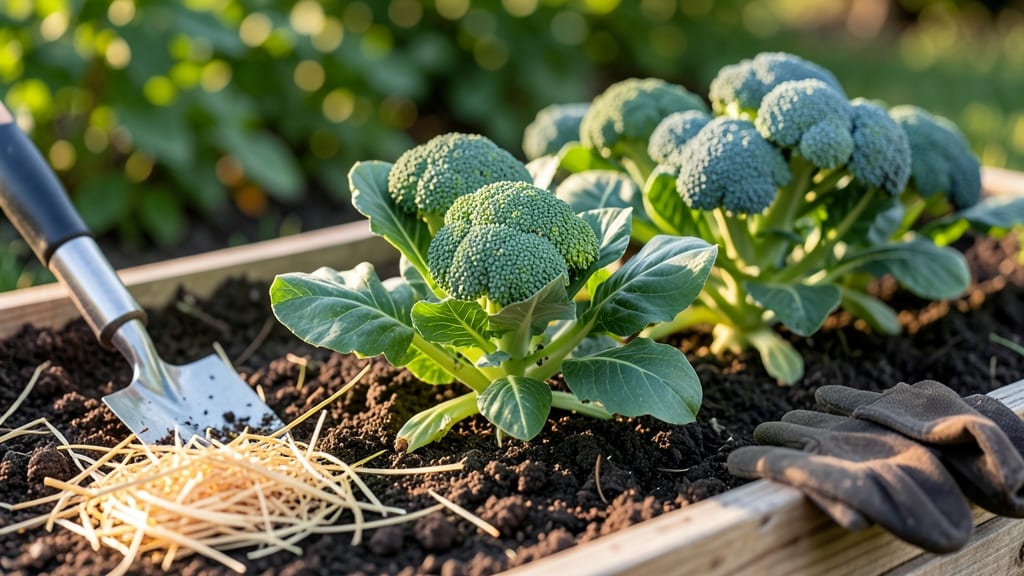
Planting a fall garden in Florida requires knowing the exact timing to beat the heat and avoid early frost—typically between mid-August and early October, depending on your zone.
Florida’s warm winters and long growing season make fall gardening a golden opportunity—but planting too early or late can mean wilting dreams before harvest. Timing is everything, and missing the window by even a week can spell disaster for your cool-season crops.
In North Florida (zones 7A-8B), where cooler temps arrive sooner, you’ve got a narrower window—usually late August to mid-September.
Down in Central and South Florida (zones 9A-10A), you can stretch it until early October, but heat-loving crops like tomatoes need to go in by mid-July to mature before the season shifts.
Below, I’ll break down the ideal planting schedule by zone, the best crops for Florida’s fall garden, and how to prep your soil for success—so you can enjoy a bountiful harvest without the guesswork.
Florida fall planting calendar: exact dates by hardiness zone
Fall gardening in Florida offers a perfect balance of mild temperatures and fewer pests, but your planting dates must align with your USDA hardiness zone to avoid bolting or stunted growth.
Unlike northern states, Florida’s first frost dates vary dramatically from the panhandle (Zone 7A) to the Keys (Zone 11), so timing is everything for crops like broccoli and kale.
For example, gardeners in Zone 8A (Central Florida) have a broader window than those in Zone 7A (North Florida), where cooler nights arrive earlier. Coastal areas like Miami-Dade (Zone 10A) can plant leafy greens nearly year-round, while inland Lakeland (Zone 9A) requires more precise timing to avoid heat stress.
Below is your zone-specific planting calendar, including soil prep timing, transplant windows, and adjustments for microclimates like shade houses or raised beds. Pro tip: Use row covers in cooler zones to extend your harvest season by 2-3 weeks.
| Zone | First Frost Date | Soil Prep Window | Transplant Window | Adjustments |
|---|---|---|---|---|
| 7A (Panhandle) | Mid-November | Late July - Early August | Late August - Mid-September | Use row covers; plant heat-tolerant varieties |
| 8A (North Central) | Early December | Early August - Late August | Mid-August - Late September | Add compost; mulch heavily for cooler nights |
| 9A (Central) | Mid-December | Mid-July - Early September | Late August - Early October | Drip irrigation recommended; avoid overhead watering |
| 9B (Central) | Late December | Late July - Early September | Late August - Mid-October | Test soil pH (aim for 6.0-7.0) |
| 10A (South) | Rare (Jan-Feb) | June - Early October | September - November | Shade cloth for leafy greens; succession plant |
| 10B (South) | Never | May - November | August - December | Focus on heat-tolerant varieties like malabar spinach |
In Zone 7A, where first frost hits by mid-November, prioritize fast-maturing crops like radishes (25 days) or bush beans (50 days). Start seeds indoors in early August for transplants by late August, then use black plastic mulch to warm soil and extend the season.
For Zone 9A and 9B, where frost is rare, focus on broccoli and cauliflower, which thrive in cooler fall temps. Plant transplants in late August for a harvest before winter heat arrives.
In Zone 10A, you can even plant spinach in September for a winter harvest—just provide afternoon shade to prevent bolting.
Coastal areas like Fort Lauderdale (Zone 10A) benefit from
Best fall vegetables for Florida gardens and their planting windows
Florida’s mild fall temperatures create the perfect conditions for growing cool-season vegetables, but not all crops thrive equally.
The key is selecting varieties that tolerate Florida’s humidity and heat spikes while still maturing before winter sets in. Leafy greens, brassicas, and root vegetables dominate successful fall gardens, but timing is critical—plant too early, and your lettuce bolts; too late, and frost-sensitive crops suffer.
For Florida gardeners, the ideal fall planting window spans from mid-August to early October, depending on your zone. Southern Florida (zones 10A-11) can extend this window until November, while northern Florida (zones 8A-9A) should finish by late September.
Below, I’ve ranked the top 12 fall vegetables for Florida, their ideal transplant dates, and why some varieties outperform others in our unique climate.
Let’s start with the superstars of Florida fall gardens. Collard greens and mustard greens are my top recommendations—they thrive in Florida’s heat and humidity, maturing in 45-60 days.
Transplant them 8-10 weeks before your first frost (typically by mid-September in North Florida and early October in South Florida). These greens actually sweeten with light frost, making them perfect for Florida’s mild winters.
Carrots and beets are another great choice, with varieties like ‘Danvers’ carrots and ‘Detroit Dark Red’ beets maturing in 60-70 days. Sow seeds 8-12 weeks before your first frost—so late August to early September for most of Florida. These root vegetables prefer loose, well-draining soil, so amend Florida’s heavy clay with compost before planting. Avoid planting near parsley or dill, as they can stunt growth.
For brassicas like broccoli and cabbage, opt for heat-tolerant varieties such as ‘Waltham 29’ broccoli or ‘Golden Acre’ cabbage, which mature in 50-70 days. Transplant them 6-8 weeks before your first frost (typically late August to early September).
These crops need consistent moisture and rich soil, so mulch heavily to retain water and prevent bolting. Watch for cabbage loopers—a common Florida pest in fall gardens.
Now, let’s talk about the challenging crops in Florida’s fall garden. Spinach and traditional lettuce varieties often bolt before maturing due to our lingering summer heat. Instead, try heat-tolerant lettuce like ‘Black Seeded Simpson’ or ‘Jericho’, which can handle 80°F days better than standard varieties.
Plant these 10-12 weeks before frost (early September) and provide afternoon shade if possible.
If you’re new to fall gardening in Florida, start with collards, mustard greens, and carrots—they’re forgiving and productive. Once you’ve mastered these, experiment with turnips, radishes, and kale, all of which perform well in Florida’s fall conditions.
Remember, soil temperature matters: aim for 60-75°F for optimal germination and growth. Use a soil thermometer to check before planting.
Finally, don’t forget to succession plant fast-maturing crops like radishes (25 days) and bush beans (50 days) every 2-3 weeks to extend your harvest. With the right timing and varieties, your Florida fall garden can be just as bountiful as your spring one—without the summer heat stress. Happy planting! 🌱