
Planting
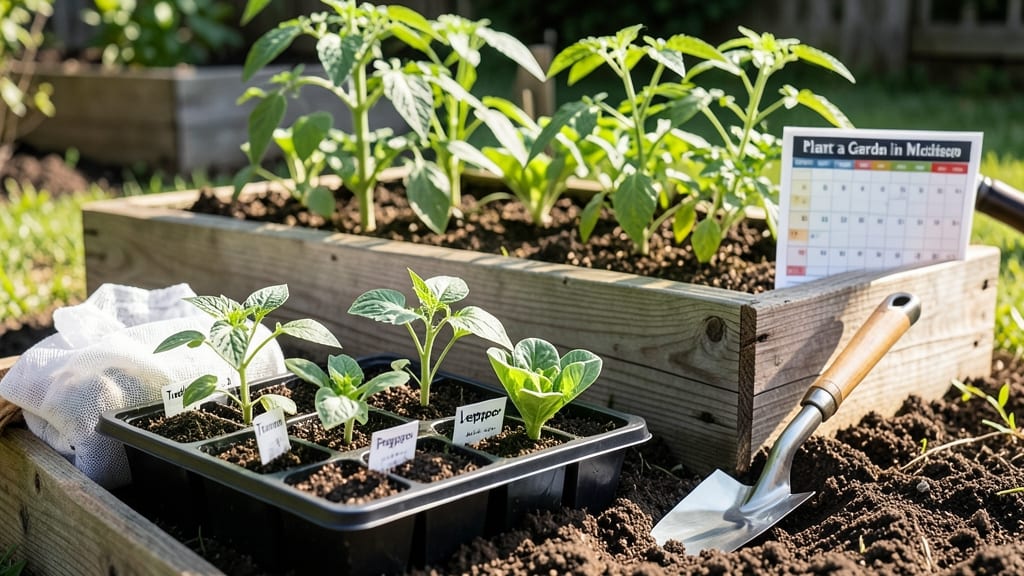
Planting a garden in Michigan at the right time means the difference between a thriving harvest and a wasted season—and those frost dates are trickier than they seem.
Michigan’s unpredictable frost dates can turn a gardener’s excitement into frustration—plant too early, and your seedlings freeze; too late, and pests or heat ruin your harvest. But timing your 🌱 General Vegetable Garden just right means bountiful tomatoes, crisp lettuce, and thriving perennials all season long.
Here’s the key: Zone 5b-6b gardeners need to work with mid-April to early June for spring crops and late July to early August for fall plants. The Upper Peninsula’s chill lingers longer than Detroit’s urban warmth, so your neighbor’s schedule won’t match yours—and that’s where the real strategy begins.
Below, I break down the exact frost-date math, zone-specific planting windows, and pro tips to adjust for Michigan’s wild weather. Whether you’re sowing asparagus in March or kale in August, you’ll know exactly when to get those seeds in the ground.
Michigan’s frost dates by Zone: the exact planting windows for vegetables, flowers & herbs
Michigan spans USDA Hardiness Zones 4-6, meaning frost dates vary dramatically from the Upper Peninsula (Zone 4) to Detroit and Grand Rapids (Zone 6). Getting these dates right ensures your tomatoes thrive, your peppers survive, and your herbs flourish—not wilt.
The average last spring frost ranges from May 1 in Zone 4 to April 15 in Zone 6, while the first fall frost hits as early as September 15 in Zone 4 and as late as October 30 in Zone 6. These windows are your garden’s lifeline.
For Zone 5 (central Michigan), like Lansing or Jackson, aim for April 20–May 5 as your last frost date. This zone offers the longest growing season, perfect for heirloom tomatoes and sweet corn.
Meanwhile, Zone 4 (UP and northern lower Michigan) gardeners must wait until May 10–20 to plant heat-lovers like peppers and eggplants, while Zone 6 (Detroit, Ann Arbor, Kalamazoo) can start two weeks earlier for the same crops.
Here’s the critical summary of frost dates and planting windows by zone, including cold-hardy greens and heat-tolerant crops to maximize your harvest:
| Zone & Location | Last Spring Frost | First Fall Frost | Spring Planting Window | Fall Planting Window | Cold-Hardy Crops | Heat-Tolerant Crops |
|---|---|---|---|---|---|---|
| Zone 4 (Marquette, Sault Ste. Marie) | May 10–20 | September 15–25 | May 25–June 10 | July 15–August 10 | Kale, Spinach, Peas, Radishes | Tomatoes, Peppers (short season) |
| Zone 5 (Traverse City, Grand Rapids) | April 25–May 5 | October 1–10 | May 10–June 1 | July 20–August 15 | Lettuce, Broccoli, Carrots, Beets | Okra, Sweet Potatoes, Basil |
| Zone 6 (Detroit, Ann Arbor, Kalamazoo) | April 15–25 | October 15–30 | April 30–May 15 | July 30–August 20 | Swiss Chard, Arugula, Brussels Sprouts | Cantaloupe, Eggplant, Long Beans |
| Rural Areas (e.g., Hillsdale, Tuscola) | April 20–May 1 | October 5–15 | May 5–May 20 | July 25–August 10 | Cabbage, Turnips, Radishes | Tomatillos, Jalapeños, Malabar Spinach |
Notice how Zone 6 areas like Detroit can start cool-season crops like spinach or peas as early as March under row covers. Meanwhile, Zone 4 gardeners should focus on fast-maturing varieties of lettuce or radishes to beat the September frost.
For example, ‘Early Wonder’ peas mature in just 55 days, making them ideal for northern Michigan’s shorter season.
Pro tip: Use Michigan State University’s Frost Date Calculator (available online) for your exact location. Even within cities, microclimates matter—Grand Rapids’ downtown might be 2–3 days warmer than its suburbs due to the urban heat island effect.
Adjust your planting dates accordingly, especially for heat-sensitive crops like cucumbers or basil.
For fall planting, aim to sow cool-season crops 6–8 weeks before your first frost. In Zone 5, that means late July for spinach or early August for carrots.
In Zone 6, you can push it to mid-August for Brussels sprouts, which actually sweeten in cold weather. Use black plastic mulch to extend the season by 2–3 weeks in cooler zones.
How to adjust planting times for Michigan’s unpredictable weather: pro tips from local gardeners
Michigan’s weather can shift faster than a summer thunderstorm—one day it’s 50°F with frost warnings, the next it’s 85°F and wilting your seedlings. As a gardener who’s lost tomato plants to late frosts and cucumbers to early heat, I’ve learned to play it smart.
The key isn’t just following frost dates (though those are a great start) but using flexible strategies to protect your plants when Mother Nature throws curveballs.
Local gardeners swear by a few game-changing techniques to stretch planting seasons and safeguard tender crops.
Whether you’re in Detroit’s Zone 6b or the Upper Peninsula’s Zone 4a, these methods—like row covers, succession planting, and the 7-Day Rule for transplanting—can mean the difference between a bountiful harvest and a wasted season.
Let’s dive into how to make Michigan’s weather work for you, not against you.
⚠️ callout warning
Michigan’s average last frost date ranges from April 15–May 1, but late frosts can hit as late as May 15—especially in Zone 4 areas. Wait until soil temps hit 50°F (use a soil thermometer) before planting warm-season crops like peppers or eggplants. For cool-season crops, start 4–6 weeks before your last frost date to avoid bolted greens or frozen roots.
First up: the 7-Day Rule. This is my golden rule for transplanting seedlings. If you’re moving tomatoes, peppers, or herbs from pots to the garden, wait 7 days after your last frost date—or until the soil stays above 55°F for a full week.
Why? Because even if the air warms up, cold soil can shock roots and stunt growth. I once planted basil too early in May, and it took 3 weeks to recover from root stress. Use a soil thermometer (they’re cheap!) to avoid this mistake.
Next, invest in row covers or frost blankets to buy time for early or late plantings. These lightweight fabrics trap 6–8°F of heat and protect lettuce, spinach, and radishes from light frosts (down to 25°F).
I use them to extend my spring planting window by 2–3 weeks and shield fall crops like kale from early October frosts. Pro tip: Secure covers tightly with bricks or stakes—wind can tear them, leaving plants exposed.
For warm-season crops that hate cold soil, try a cold frame or mini greenhouse. These create a microclimate that warms up 2–3 weeks faster than open ground.
I set up a low-cost cold frame (just a clear plastic lid over a wooden box) to start tomato seedlings in early April—they get a head start and transplant like pros by late May.
If you’re short on space, even a black plastic mulch can warm soil by 5–10°F.
Finally, master succession planting to keep your garden productive all season. Instead of planting one big batch of lettuce in April, stagger plantings every 2 weeks until July. This way, you’ll always have fresh greens without bolting.
I also use this trick for bush beans and carrotshalf in May and half in June to avoid overcrowding and pest outbreaks. Pair this with a harvest checklist (more on that below) to stay organized.
To wrap it up, here’s my quick checklist for adjusting planting times in Michigan: ☑️ Monitor soil temps (not air temps!) with a thermometer ☑️ Use row covers for 2–3 week extensions in spring/fall ☑️ Follow the 7-Day Rule for transplanting seedlings ☑️ Plant succession crops every 2 weeks for continuous harvests ☑️ Protect warm-season crops with cold frames or mulch ☑️ Keep a planting journal to track what works each year With these tricks, you’ll turn Michigan’s unpredictable weather into your garden’s superpower—no more wasted seedlings or bolted herbs! 🌱