
Planting
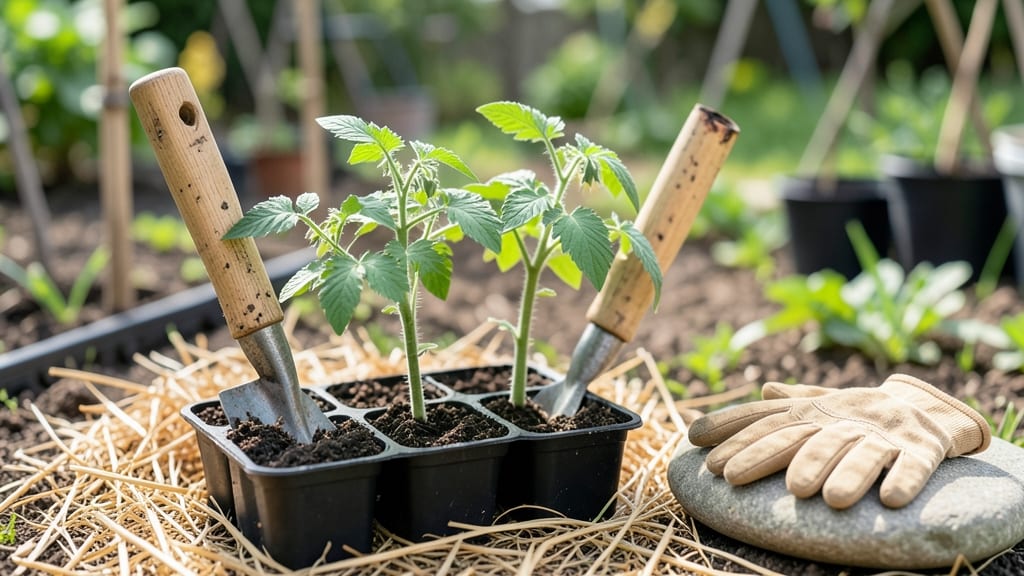
Planting tomato seedlings in the garden at the right time means the difference between a thriving 🍅 harvest and wasted effort.
If you’ve ever rushed seedlings into cold soil only to watch them wilt—or waited too long and missed the growing season entirely—you know how critical timing really is.
Most gardeners rely on last frost dates, but soil temperature and local microclimates play just as big a role. In Zone 6a, that means waiting until mid-May when nights stay above 50°F and the ground warms to at least 60°F.
Below, I’ll walk you through the exact frost-free soil checklist by zone, plus how to adjust for early vs. late varieties and common mistakes that derail even the most eager gardeners.
Frost-free soil temperature checklist for planting tomato seedlings by Zone
Timing your tomato seedlings is all about soil temperature, not just calendar dates. Tomatoes thrive when soil reaches 50°F+, but 60°F+ is ideal for root establishment. In colder zones, waiting too long means shorter harvests, while in hot zones, transplant shock can kill seedlings.
Let's break down the perfect planting window by your hardiness zone.
Your last frost date is a starting point, but soil warmth is the real indicator. Use a soil thermometer to check—if it's below 50°F at 2 inches deep, wait.
Coastal areas may warm faster than inland zones, while desert climates can be ready weeks earlier. Always account for nighttime temperatures staying above 50°F to prevent chilling damage.
🌱 PRO TIP: Harden off seedlings for 10-14 days before transplanting, regardless of zone. This toughens them up for the temperature swings that cause transplant shock.
In Zone 3-5, where frosts linger, prioritize early-maturing varieties like 'Stupice' or 'Early Girl'. These handle cooler soils better and produce fruit before summer heat sets in.
For Zone 6-7, standard varieties like 'Better Boy' or 'Celebrity' thrive when planted in mid-April, but monitor nighttime lows—any dip below 50°F can stunt growth.
Southern gardeners in Zone 8-11 can plant year-round, but summer heat is the bigger threat. Use shade cloth for seedlings until they establish roots, then transition to full sun. In desert climates, plant in early spring or fall to avoid 100°F+ soil, which burns roots.
Coastal areas may have delayed warming due to ocean breezes—check soil temps daily.
Watch for heatwave warnings in your area. If temperatures spike above 90°F within 2 weeks of transplanting, your seedlings may suffer from transplant shock. Symptoms include
5 Signs your soil is Really Ready for Tomato Seedlings (Beyond the Calendar)
Counting down the days until the last frost date is helpful, but it’s not enough to guarantee your tomato seedlings thrive. The real secret lies in your soil—its warmth, moisture, and activity level.
I’ve learned the hard way that even hardened seedlings can fail if the soil isn’t truly ready. Let’s ditch the guesswork and focus on what your soil is actually telling you.
Your tomatoes need soil that’s warm enough to support root growth, holds moisture without becoming soggy, and is teeming with life—like weeds and beneficial microbes.
These signs will help you avoid the two biggest mistakes: planting too early in cold, damp soil or waiting too long and missing the optimal window. Ready to dig in?
- 🌡️ Soil warmth test: Press your hand into the soil—if it feels warm like a cozy bath (around 60°F+), your tomatoes will love it. Below 50°F, roots stall.
- 💧 Moisture retention: Dig a 6-inch hole and fill it with water. If it drains within 1-2 hours, your soil is ready. Slow drainage? Wait a few days.
- 🌱 Weed activity: If weeds like crabgrass or pigweed are sprouting, your soil is warm enough for tomatoes.
- 🔥 Black plastic mulch: Lay a 4x8 ft sheet of black plastic 2 weeks before planting. It warms soil 5-10°F faster than bare earth.
- 🌿 Earthworm activity: Turn over a clump of soil—if you see 3+ earthworms, your soil is biologically active and ready.
Don’t rely on a calendar or thermometer alone. The back-of-hand test is my go-to trick: press your palm into the soil for 10 seconds. If it feels pleasantly warm (not hot or cold), your seedlings will root happily.
Cold soil shocks roots, while soil that’s too hot can scorch tender seedlings—neither is ideal.
Moisture is just as critical. Overly wet soil suffocates roots and invites fungal diseases like damping off. To test, grab a handful of soil and squeeze it—if water drips out slowly, it’s too wet.
If it crumbles easily, it’s perfect. Pro tip: Black plastic mulch not only warms the soil but also helps retain moisture, giving you a 2-week head start in cooler zones.
Weeds might seem like pests, but they’re actually your allies here. When annual weeds like chickweed or lamb’s quarters start popping up, your soil has reached the ideal 55-65°F range for tomato roots.
These weeds thrive in the same conditions as your seedlings, so their presence is a natural green light. Just pull them before they compete with your tomatoes for nutrients.
Finally, pay attention to the microbes and critters in your soil. Earthworms, springtails, and other beneficial insects are signs of a healthy, active ecosystem. If you’re turning over soil and see these little helpers, your tomatoes will have the perfect environment to establish strong roots.
Grab a handful of soil and give it a quick inspection—you’ll know instantly if it’s ready.