
Planting
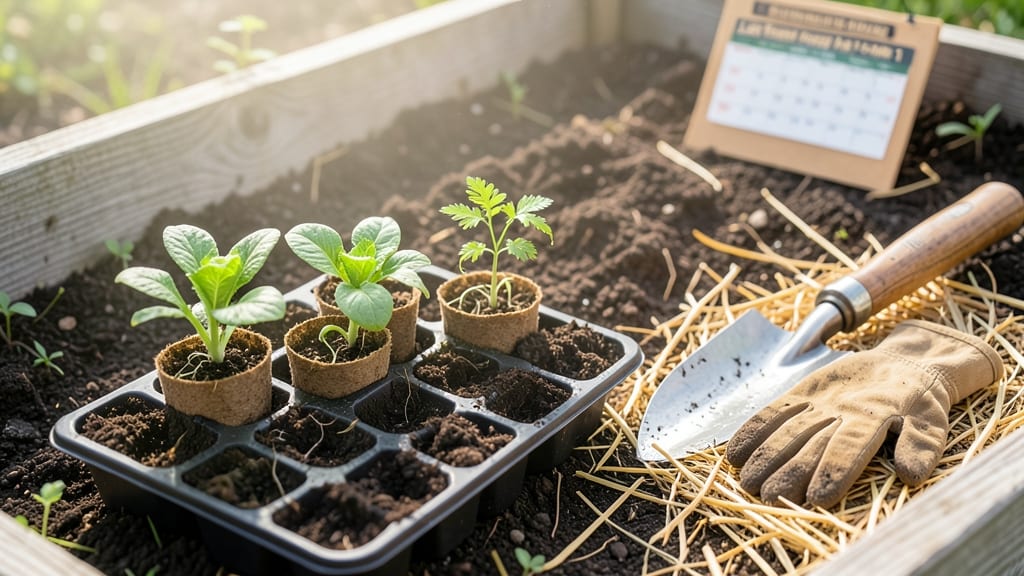
You should plant a garden in Michigan after the last average frost date—typically mid-April in the Lower Peninsula and late May in the Upper Peninsula—but getting it wrong can mean lost crops or stunted growth.
Michigan’s unpredictable spring weather can turn your gardening dreams into a guessing game unless you know the exact planting windows for your specific zone.
Timing is everything when it comes to maximizing yields and avoiding frost damage. Whether you’re growing cold-hardy greens like spinach or heat-loving tomatoes, the difference between a thriving garden and a failed one often comes down to when you put seeds in the ground.
In this guide, I’ll walk you through the best planting schedule for Michigan’s USDA zones, including how to adjust for late frosts and early heatwaves—so you can enjoy a bountiful harvest from spring to fall.
Michigan planting zones & frost dates: what you must know before choosing seeds
Michigan’s USDA planting zones range from 5b to 6b, creating dramatic differences in frost timing between the Upper Peninsula and Lower Peninsula. In Zone 5b (northern regions), gardeners face 10-15 more frost days than their southern counterparts in Zone 6b.
These variations mean your last spring frost could arrive weeks earlier in Detroit than in Marquette.
Understanding your exact frost dates is critical because planting too early risks frost damage to tender seedlings, while waiting too long shortens your growing season.
Michigan State University Extension tracks historical frost data showing that average last frost dates range from May 10-20 in southern Michigan to June 1-10 in the Upper Peninsula. But don’t rely solely on averages—check your local Almanac or NOAA climate station for 3-year averages.
Soil temperature matters just as much as air temperature. Most vegetables need soil at least 50°F (10°C) before planting, while warm-season crops like tomatoes require 60°F (15°C). A soil thermometer ($10 at garden centers) will give you precise planting windows—especially important in Michigan’s unpredictable spring when warm days can fool you into planting too soon.
Here’s how to find your precise planting window: Start by identifying your USDA zone (use the MSU Garden Zone Finder), then cross-reference with local frost records.
Add 2-4 weeks to your last frost date for cold-hardy crops like peas and spinach, but wait until 2 weeks after for heat-lovers like basil and cucumbers. For the Upper Peninsula, consider starting half your seeds indoors to extend your season.
Let’s break down the key differences between Michigan’s three primary zones and their frost patterns:
| Region | USDA Zone | Avg Last Frost | Avg First Frost | Frost-Free Days | Key Adjustments |
|---|---|---|---|---|---|
| Southern Lower Peninsula | 6b | May 10-20 | October 5-15 | 150-170 days | Plant warm crops by May 15 |
| Northern Lower Peninsula | 6a | May 15-25 | September 25-October 5 | 140-160 days | Use row covers for early starts |
| Upper Peninsula | 5b | June 1-10 | September 10-20 | 120-140 days | Start seeds indoors 6-8 weeks early |
For Zone 6b gardeners in southern Michigan, you’ll have the longest growing season, but don’t let that tempt you to plant heat-sensitive crops like tomatoes too early. Even in Detroit, a late-May frost can still occur—check the National Weather Service for 10-day forecasts before planting outdoors.
In Zone 6a areas like Grand Rapids, plan to have transplant-ready seedlings by May 15 to avoid delays.
The Upper Peninsula’s Zone 5b presents unique challenges. With only 120-140 frost-free days, focus on fast-maturing varieties and cool-season crops like kale, broccoli, and potatoes. Consider succession planting every 2-3 weeks from late May through July to maximize your harvest.
For warm-season crops, use black plastic mulch to warm soil faster—this can shave 1-2 weeks off your planting timeline.
Pro tip: Use Michigan State University’s Garden Guide (free online) to find cultivar recommendations suited to your zone. For example, ‘Early Girl’ tomatoes (60 days to maturity) work in Zone 6b, while ‘Stupice’ tomatoes (50 days) are better for Zone 5b.
Always check seed packets for days to maturity and count backward from your first frost date to determine planting windows.
Don’t forget about first frost dates when planning fall crops. In Zone 6b
Vegetable planting schedule by month: hardiest crops for Michigan’s short season
Michigan’s short growing season demands precision—planting too early risks frost damage, while late starts cut harvests short. The key is balancing cool-season crops (like spinach and peas) with warm-season favorites (tomatoes and peppers) to stretch your harvest from spring to fall.
Even experienced gardeners here rely on a month-by-month schedule to avoid costly mistakes.
Your last frost date is the anchor for timing, but Michigan’s regional variations (Upper Peninsula vs. Lower Peninsula) mean you’ll need to adjust. For example, Southern Michigan’s average last frost is around May 10-15, while Northern areas can wait until June 1-15.
Let’s break down the best planting windows for your garden’s most reliable crops.
- 1 March-April: Start cool-season crops indoors (spinach, kale, lettuce) or under row covers. Harden off seedlings by late April for outdoor planting.
- 2 Late April-May: Plant peas, radishes, and potatoes as soon as soil reaches 40°F. Avoid direct-sown tomatoes and peppers—they need warmer soil (60°F+).
- 3 Mid-May: Transplant broccoli, cabbage, and onions after last frost. Start warm-season crops (tomatoes, peppers, beans) indoors for late May/early June planting.
- 4 June: Direct-sow beans, cucumbers, and squash once soil is 65°F+. Succession plant lettuce and spinach every 2 weeks for continuous harvests.
- 5 July-August: Plant fall crops (kale, Brussels sprouts, carrots) for harvests before first frost (typically October 1-15). Extend seasons with row covers or cold frames.
Succession planting is your secret weapon in Michigan. For example, sow bush beans every 2 weeks from June to July to ensure a steady supply instead of one massive harvest. Similarly, spinach and radishes thrive in cool weather—plant them in early spring and again in late summer for fall harvests.
Avoid the common mistake of planting tomatoes or peppers too early. Cold soil stunts roots, and seedlings can rot. Wait until soil temperatures hit 60°F+ (use a soil thermometer if unsure). For cool-season crops, protect young plants with frost blankets if late frosts threaten.
Extend your season by 3-4 weeks with simple tricks: Use black plastic mulch to warm soil for early planting, or cover crops with floating row covers to shield them from light frosts.
In Northern Michigan, plan for a shorter window—focus on fast-maturing varieties like ‘Early Girl’ tomatoes (55 days) or ‘Sugar Snap’ peas (60 days).
Remember: Michigan’s first frost can arrive as early as September 15 in the north or linger until October 15 in the south. Time your last plantings (like Brussels sprouts) to mature before frost—aim for harvests 4-6 weeks before the average first frost date in your area.