
Planting
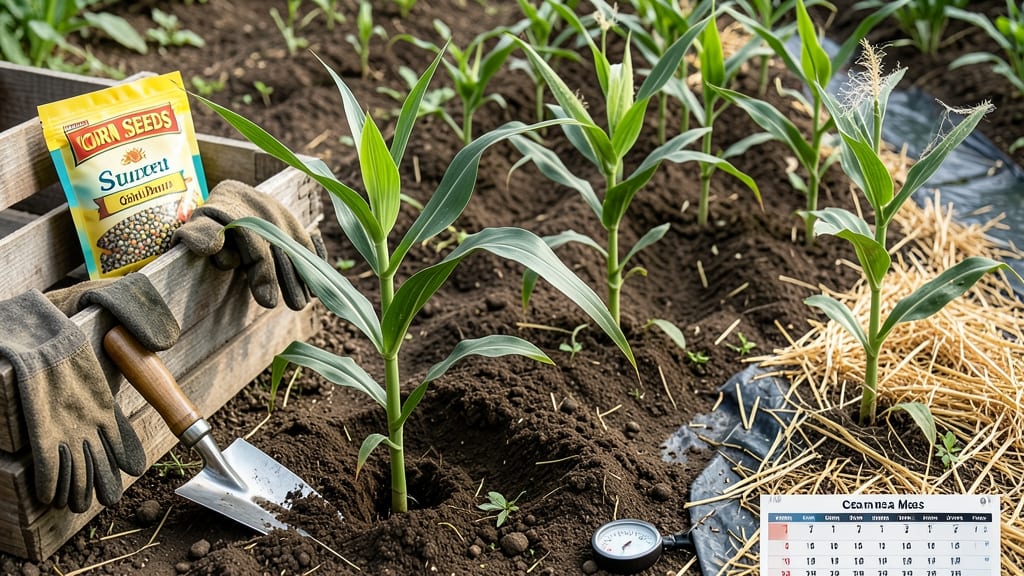
Planting a garden in Iowa at the right time is all about timing your crops to the frost-free window—because one late freeze can wipe out weeks of work.
Iowa’s unpredictable frost dates can turn your gardening dreams into a gamble—unless you know the exact timing for your specific zone. Planting too early risks frost damage, while waiting too long shortens your growing season.
For most of Iowa’s USDA Zones 4a–5b, warm-season crops like tomatoes and peppers need to wait until mid-May, while cool-season greens like spinach can go in as early as late March.
Here’s how to pinpoint your perfect planting window, adjust for Iowa’s variable weather, and maximize your harvest from spring through fall.
Iowa’s frost-free dates by USDA hardiness Zone: what you need to plant when
Iowa spans USDA Zones 4a to 5b, meaning frost dates vary dramatically from north to south. In Zone 4a (northwest Iowa), the last spring frost typically arrives April 25–May 5, while Zone 5b (southern Iowa) sees frost-free conditions by April 10–20.
These dates create a 3-week window for planting decisions—critical for warm-season crops like tomatoes and peppers that can’t tolerate frost.
Cool-season crops like spinach and peas thrive when planted 4–6 weeks before your last frost date. For Zone 4a, that means starting seeds indoors by March 15 or direct-sowing by April 1.
Meanwhile, Zone 5b gardeners can plant cool crops outdoors as early as March 1—but watch for late frosts, which can linger into mid-April even in warmer zones.
Here’s your zone-by-zone frost-free guide, including ideal planting windows for Iowa’s most popular crops. Use these dates to time your seed starting, transplanting, and succession planting for maximum harvests.
For warm-season crops like tomatoes, peppers, and cucumbers, wait until soil temperatures reach 55°F+ and nighttime lows stay above 50°F. In Zone 4a, this often means delaying planting until mid-May, while Zone 5b gardeners can start as early as late April.
Use a soil thermometer to confirm—cool soils slow germination and stunt growth.
Cool-season crops like lettuce, kale, and radishes can handle light frosts (28–32°F), making them ideal for early spring and fall plantings. In Zone 5b, you can even sow spinach and peas as late as September 1 for a fall harvest before frost.
Just be sure to use row covers if nighttime temps dip below 30°F.
Pro tip: Succession plant heat-loving crops like beans and squash every 2–3 weeks to stretch your harvest. In Zone 4a, for example, plant zucchini on May 15, June 1, and June 15 to ensure a steady supply through August.
This strategy works equally well for cool-season greens like bush beans in Zone 5b.
Don’t rely solely on average frost dates—Iowa’s weather is unpredictable. Check the Iowa State University Extension’s frost prediction tool (updated weekly) and monitor your local CoCoRaHS weather station for real-time updates.
If you’re in Zone 4a and see unseasonably warm April weather, resist the urge to plant early; a late frost in May can wipe out tender seedlings overnight.
Extend your growing season with season extenders like cold frames or low tunnels. In Zone 4a, these tools can push your harvest window 4–6 weeks later into October, while in Zone 5b, you might even squeeze in a second planting of warm-season crops like peppers
How to adjust planting times for Iowa’s microclimates and unpredictable weather
Iowa’s variable weather patterns can make traditional planting charts feel like guesswork. While the average last frost date for USDA Zone 5a (covering most of Iowa) is April 15-30, your local microclimate might shift those dates by 1-2 weeks.
Understanding how to adjust planting times means the difference between a bountiful harvest and lost seedlings.
Start by identifying your specific microclimate. South-facing slopes warm up faster than north-facing areas, while urban heat islands can create unexpectedly early planting conditions. Even a 10-foot elevation change can alter frost dates by 3-5 days.
Use these practical adjustments to work with Iowa’s unpredictability instead of against it.
🌱 5 Ways to Adjust Planting Times in Iowa
-
Track Local Frost Data
Use Iowa State University’s frost probability maps—they update weekly and show 90% frost-free dates for your county. -
Use Row Covers
Extend spring planting by 2-3 weeks with lightweight row covers. They trap heat and protect tomatoes, peppers, and lettuce from late frosts—just remove them when plants flower. -
Plant Cold-Hardy Varieties
Swap standard tomatoes for ‘Stupice’ (tolerates 28°F) or ‘Early Girl’ for ‘Mountain Merit’ (handles 32°F better). Check Iowa State’s recommended varieties. -
Warm Soil First
Test soil temperature with a soil thermometer. Most warm-season crops (like cucumbers) need 60°F+ soil. In cold springs, use black plastic mulch to raise temps by 5-10°F. -
Fall Planting Hacks
Extend your fall harvest by planting broccoli and kale in early August—they thrive in cool weather and can handle light frosts. Use straw mulch to insulate roots.
Pro Tip: Combine these methods! For example, use row covers + cold-hardy varieties to plant peppers 3 weeks early in Zone 5a.
Don’t rely solely on calendar dates. Instead, combine frost data with soil warmth and plant resilience.
For instance, if your area’s 90% frost-free date is May 10 but your soil hits 60°F by April 25, you can safely plant warm-season crops like beans a week early with row covers.
For fall planting, aim to harvest before the first hard frost (typically October 15-30 in Iowa). Use quick-maturing varieties (e.g., ‘Early Wonder’ peas) or overwintering crops like garlic and onions, which handle freezing temps once established.
Finally, keep a gardening journal to track your local adjustments. Note which years you planted early successfully and which failed due to frost. Over time, you’ll refine your personalized planting calendar—turning Iowa’s unpredictability into an advantage.
With these strategies, you’ll extend your growing season, reduce waste, and enjoy fresher produce year after year—no matter what Iowa’s weather throws your way. Happy planting! 🌱