
Picking
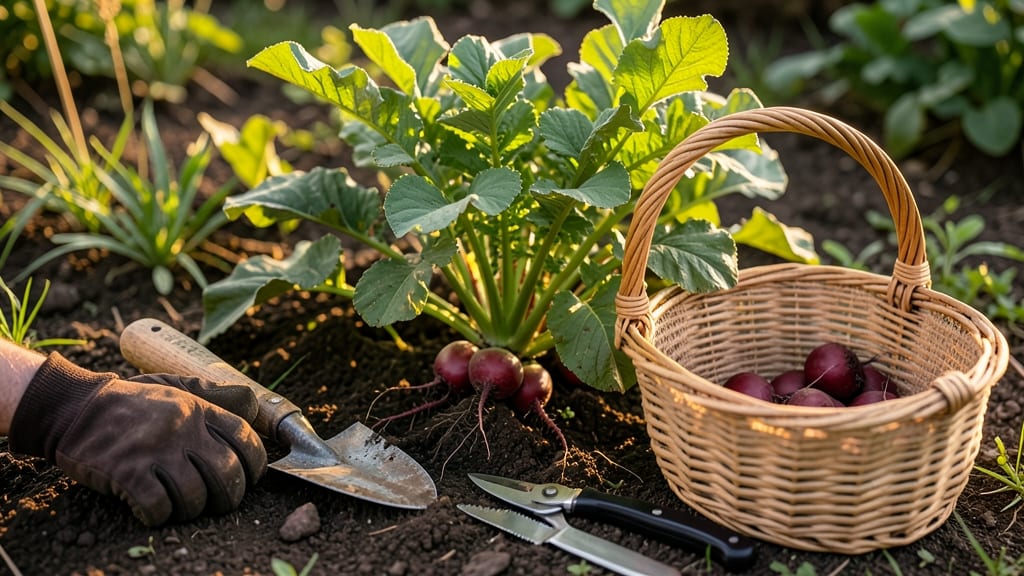
To pick beetroot from the garden at the perfect moment means capturing sweetness and tenderness before they turn tough and woody 🍠 — and the timing is all about color, size, and a little patience.
Picture this: you’ve been watching your beet greens grow, and now the roots are peeking through the soil. But how do you know when to dig? A single week too early means underdeveloped flavor, while waiting too long turns them fibrous and bitter.
The key is catching that deep, vibrant color and a diameter of 1.5 to 3 inches—like a baseball to a softball.
Season matters too. In USDA Zone 6a, where spring planting kicks off in March, most varieties reach harvest readiness between 50 and 70 days—typically June through August.
But heat waves or cool snaps can shift that window, so checking the soil and leaves is just as important as counting days.
In this guide, I’ll walk you through the exact visual cues to look for, how to handle them once pulled, and why timing makes such a big difference in flavor. No more guesswork—just perfect beetroot, every time.
How to identify perfect beetroot harvest time by color and size
Timing your beetroot harvest correctly transforms your garden into a treasure trove of sweet, tender roots. The key lies in watching for two critical visual cues: root diameter and skin color intensity.
When these signals align, you've hit the ideal 50-70 day window after planting. I've learned that missing this window by even a week can turn your beets from delicious to woody and tough.
For most beetroot varieties, the perfect harvest size falls between 1.5 to 3 inches in diameter. This range ensures maximum sweetness while preventing the roots from becoming fibrous.
The golden rule I follow is to check for roots that feel firm when gently squeezed - they should yield slightly but not feel mushy. Soil conditions play a surprising role here too; sandy soils often produce slightly smaller beets that mature faster than clay-heavy soils.
Color is your most reliable indicator of beetroot readiness. Deep red varieties should develop a rich, vibrant hue from their pale green beginnings, while golden beets will turn a sunny yellow-gold. The color shift happens gradually, so I recommend checking every 3-5 days during the final harvest window. Stripes in multicolored varieties should also become more pronounced as they mature.
Here's where many gardeners go wrong: they harvest based solely on leaf size. While mature leaves (typically 4-6 inches tall) suggest readiness, they shouldn't be your only guide.
The leaves can continue growing even after the roots reach perfect size. I've made the mistake of waiting too long for "bigger leaves" only to find overgrown, tough roots underneath.
| Visual Cue | Underripe Beetroot | Perfectly Ripe Beetroot | Overripe Beetroot |
|---|---|---|---|
| Root Diameter | Under 1 inch | 1.5-3 inches | Over 3 inches |
| Skin Texture | Thin, easily pierced | Firm, smooth | Tough, woody |
| Color Intensity | Pale, uneven | Deep, consistent | Dull, faded |
| Leaf Size | Under 3 inches | 4-6 inches | Over 6 inches |
| Taste Test | Bland, watery | Sweet, tender | Bitter, fibrous |
| Harvest Window | Before 50 days | 50-70 days | After 70 days |
Don't overlook the weather conditions before harvesting. After a light rain, the soil becomes softer, making it easier to dig without damaging the roots. I always harvest on overcast days to prevent the beets from losing moisture too quickly after being pulled.
The early morning is ideal because the roots are cool and firm, ensuring the best texture for storage.
One technique I've found invaluable is the "test pull" method. Simply grasp a beet gently by its leaves and give it a slight tug. If it comes out easily with minimal resistance, it's ready.
If the soil resists significantly, wait another 2-3 days. This method prevents you from harvesting too early while avoiding the risk of missing perfectly ripe beets hidden below the surface.
For baby beet varieties, the harvest window shifts earlier to 30-40 days after planting. These smaller beets (typically 1 inch or less) have a delicate texture perfect for quick cooking.
The color development follows the same principles, but the size threshold becomes your primary indicator. I always harvest baby beets when they reach their minimum recommended size for the specific variety.
Pay attention to the top leaves as secondary indicators. Healthy leaves should be dark green and vigorous, not yellowing or wilting. If you notice yellowing outer leaves while the inner leaves remain green, this often signals that the roots are ready to harvest.
The plant is essentially redirecting nutrients to the roots as they mature.
Remember that soil temperature affects harvest timing too. In cooler climates (USDA zones 3-5), beets may take 5-7 days longer to reach maturity compared to warmer zones (7-10).
I adjust my harvest schedule by 1-2 weeks when moving between different growing regions. Always check the back of your seed packet for variety-specific days-to-maturity information.
Once you've identified perfectly ripe beets, act quickly to preserve their quality. The first 24 hours after harvest are critical for maintaining sweetness. Store them in a cool
Best practices for harvesting beetroot to maximize flavor and storage life
Once you’ve grown your beetroot to the perfect size, harvesting them correctly is the next critical step to preserve their sweetness and texture. Unlike some root vegetables, beetroot doesn’t improve after picking, so timing and technique matter.
I’ve learned that even a gentle tug at the wrong moment can leave you with bruised or woody roots.
Start by checking the soil moisture—dry soil makes roots tough, while overly wet soil can cause them to split. The best time to harvest is on a cool morning after light watering, when the soil is firm but not hard.
This ensures your beetroot stays intact and ready for storage or immediate use.
🔍 When to Pick Beetroot
- Size: Roots 1.5–3 inches in diameter
- Color: Deep, uniform hue (no green stripes)
- Leaves: 4–6 inches tall, mature but not yellowing
- Texture: Firm skin that resists piercing
🌱 Pro Tip: Use a hand fork for loose soil to avoid damaging roots.
For loose soil, you can gently pull beetroot by their greens, but in compacted soil, use a hand fork to loosen the earth around the roots first.
Twisting can snap the greens off, leaving the root vulnerable to rot. Always leave 1 inch of stem attached—this protects the root from drying out during storage.
After harvesting, remove loose soil with a brush or damp cloth, but avoid scrubbing the skin, as this can create entry points for bacteria. Store beetroot in a cool, dark place (like a root cellar or refrigerator) where temperatures stay between 35–40°F.
They’ll keep for 2+ weeks if stored properly.
One of my biggest mistakes early on was harvesting beetroot when they were undersized—they tasted bland and watery. Another was storing them with moisture on the skin, which led to mold. Always let them dry completely before storing, and avoid stacking them in piles, as this causes bruising.
To extend storage life, wrap individual beetroot in paper towels or place them in a perforated plastic bag with a damp cloth. Check them weekly for soft spots or sprouting greens, which signal they’re past their prime.
With the right care, your harvest can last well into the fall, giving you fresh beetroot for soups, salads, and roasting all season long.