
Planting
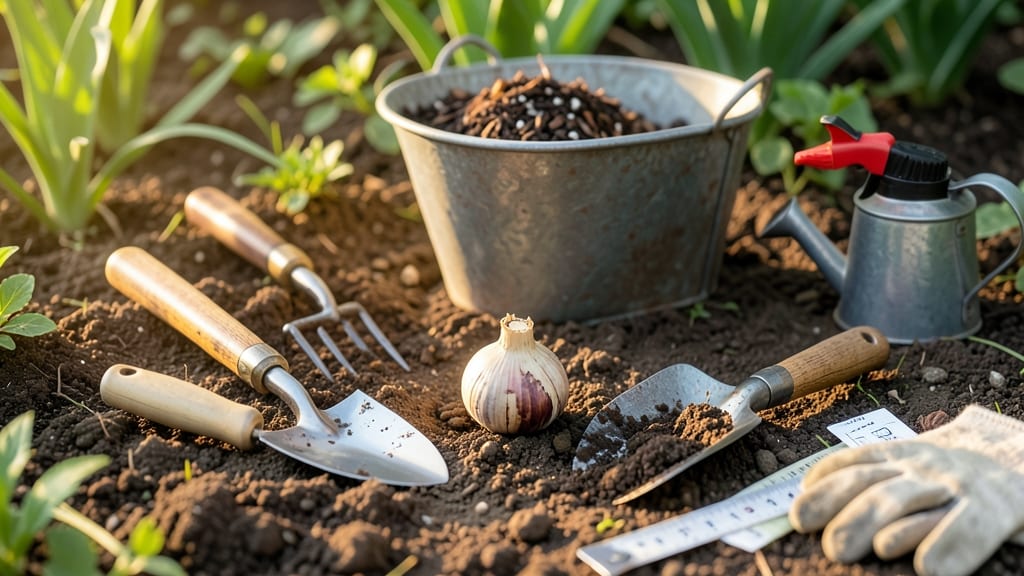
Planting lily bulbs in your garden at the right time ensures vibrant blooms next summer — and getting it wrong can leave you with nothing but disappointment.
Timing is everything when planting lily bulbs — plant too early, and they’ll rot; too late, and they won’t bloom. But with the right climate-zone guide, you can ensure perfect results year after year.
In USDA Zone 6a, like many temperate regions, fall planting (October–November) gives bulbs time to root before winter, while early spring (March–April) works for warmer climates. The key is soil temperature: aim for 50–60°F and avoid frost or summer heat.
Below, I break down the exact planting windows by zone, soil cues to watch for, and the three biggest mistakes that ruin timing — so you can finally get those 🌸 blooms without the guesswork.
Best planting months for lily bulbs by USDA climate Zones
Lily bulbs thrive when planted at the right time, but the perfect window depends entirely on your USDA hardiness zone. In colder climates like Zones 3-5, fall planting gives bulbs time to root before winter.
Meanwhile, gardeners in Zones 6-10 often plant in early spring to avoid summer heat stress. Let’s break down the ideal months for each zone to maximize bloom success.
Your local climate dictates whether fall or spring planting works best. For example, Zone 7 gardeners can plant in either season, while Zone 9-10 growers must plant in late winter to escape summer drought. Understanding these differences ensures your lilies establish strong roots before blooming season.
Here’s a quick reference for ideal planting windows across USDA zones, including regional exceptions like Pacific Northwest or Deep South variations. Use this as your guide to avoid common mistakes like planting too early (risking rot) or too late (missing bloom cycles).
| USDA Zone | Best Planting Window | Soil Temp. Threshold | Regional Notes |
|---|---|---|---|
| Zones 3-4 | Late September-October | 50-55°F | Plant 6-8 weeks before frost. Avoid spring planting in cold zones. |
| Zones 5-6 | October-November or March-April | 55-60°F | Fall planting preferred, but spring works if soil thaws early. |
| Zones 7-8 | October-November or February-March | 60-65°F | Avoid summer planting; bulbs need cool roots. |
| Zones 9-10 | December-January (early spring) | 65-70°F | Plant before summer heat; mulch heavily to retain moisture. |
| Pacific Northwest | September-October (Zone 7-8) | 55-60°F | Cooler maritime climates allow later fall planting. |
| Deep South (Zone 9-10) | December-January | 65-70°F | Avoid planting in summer heat; use shade cloth if needed. |
In Zones 3-4, where winters are harsh, focus on fall planting (late September to October). The bulbs need time to develop roots before the ground freezes.
If you miss this window, wait until early spring—just as the soil begins to thaw—but avoid planting when the ground is still frozen or soggy.
Gardeners in Zones 5-6 have flexibility: both fall and early spring work well. For fall, aim for October to November when soil temperatures drop below 60°F. Spring planting should happen by March to ensure blooms by summer. Test soil moisture—it should feel damp but not waterlogged.
For Zones 7-8, the key is avoiding summer heat. Plant in October-November or February-March when soil temperatures are cool (60-65°F). If you live in a humid climate like the Southeast, prioritize well-draining soil to prevent bulb rot. Mulch after planting to maintain even moisture.
Southern gardeners in Zones 9-10 must plant in late winter (December-January) to escape summer drought and heat. The bulbs need 6-8 weeks of cool weather to establish roots before the heat sets in. Use shade cloth if planting in early spring to protect tender shoots.
Regional exceptions matter! In the Pacific Northwest, cooler maritime climates allow later fall planting (even into October) because frost comes later. Meanwhile, in the Deep South, summer planting is a no-go—bulbs will bake in the heat. Instead, plant in December-January for a head start.
Pro tip: Use a soil thermometer to confirm temperatures. Lily bulbs need soil between 50-65°F to root successfully. If your soil is warmer, wait a few weeks or use shade cloth to cool the planting area temporarily.
Planting lily bulbs at the wrong time can mean the difference between a stunning summer display and wasted effort. The key to success lies in understanding your local climate and soil conditions. Unlike annuals, lilies need precise timing to establish roots before extreme weather hits. I’ve learned the hard way—planting too early in cold zones can cause rot, while waiting too long in warm areas means missed blooms. Your soil temperature is the first clue. Lily bulbs thrive when soil reaches 50-60°F. This typically happens in early fall (4-6 weeks before frost) or early spring (when daytime temps consistently stay above 50°F). Use a soil thermometer to check—it’s a small investment that prevents costly mistakes. In my Zone 6a garden, this usually means planting in October or early April. 🌱 Pro Tip: Adjust for microclimates—urban areas stay warmer, while shaded spots cool faster. Don’t overlook moisture levels. Lily bulbs need well-draining soil but consistent moisture to root. If your soil feels dry 2 inches below the surface, water thoroughly before planting. In urban heat islands, evaporation happens faster—mulch with compost to retain moisture. I once planted lilies in a hot, sunny patch without mulch, and they struggled until I added a 2-inch layer of straw mulch. Watch for frost warnings in your area. Planting too close to frost can shock bulbs, while planting too late may not give roots enough time to establish. Check your USDA zone and local frost dates—most zones need bulbs in the ground 6 weeks before frost. For example, in Zone 8, this might mean planting in November, while Zone 4 gardeners should aim for September. Adjust for microclimates in your garden. A south-facing slope warms up faster than a north-facing bed, and low spots collect cold air. If your yard has varied conditions, test soil temps in multiple spots. I planted lilies in a shady microclimate once and had poor results—until I moved them to a sunnier location. Always observe where your existing plants thrive for clues. Finally, test your soil pH. Lilies prefer slightly acidic to neutral soil (6.1-7.0). If your soil is too alkaline, amend it with peat moss or sulfur before planting. I use a simple $10 test kit every few years—it’s saved me from stunted growth and poor blooms. Healthy soil means healthier lilies, and that means bigger, brighter blooms next summer.Signs your soil and climate are ready for lily bulbs
✅ Ready-to-Plant Checklist