
Picking
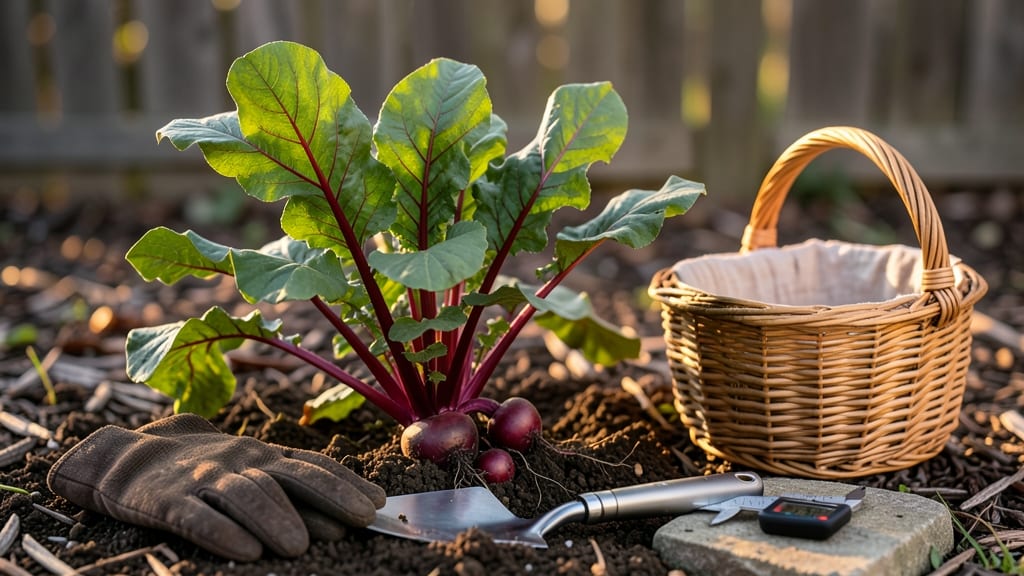
Harvesting beets from your garden at the right time ensures they’re sweet, tender, and packed with flavor—not tough or woody. The key is knowing when those vibrant 🍠 roots reach peak perfection, which depends on size, color, and soil conditions.
Picture this: you’ve nurtured your beets for weeks, and now they’re ready—but how do you know for sure? Missing the window means roots turn bitter or fibrous, while harvesting too early leaves you with undersized treats.
The secret lies in checking their diameter, leaf health, and even the soil’s resistance when pulled.
In this guide, I’ll break down the exact size cues (like 1-3 inches for baby beets or deeper colors for mature ones) and seasonal timing—whether you’re planting in spring or late summer for a fall harvest.
You’ll also learn how weather and soil play a role in nailing that perfect harvest window.
By the end, you’ll confidently pull beets at their prime, whether you’re storing them for winter or whipping up a fresh salad. Let’s dive into the tactile tests and timing tricks that make all the difference!
How to determine beet harvest time by size and soil conditions
Harvesting beets at the perfect moment ensures sweet, tender roots instead of woody, tough disappointments. The key lies in root size, soil conditions, and seasonal timing. For baby beets, aim for 3-4 inches in diameter, while mature varieties should reach 2-3 inches—but don’t stop there.
The soil also whispers clues about readiness through texture and resistance, which I’ll explain next.
Seasonal timing plays a critical role too. Spring-planted beets typically reach harvest 50-70 days after sowing, while fall crops may take slightly longer due to cooler temperatures. Early morning harvests prevent stress from afternoon heat, preserving flavor and texture.
Even the moisture level of the soil affects timing—dry spells can delay maturity, while overwatering may dilute sweetness.
🌱 Summary Table: When to Harvest Beets from Garden
| Beet Type | Ideal Root Size | Foliage Height | Days to Maturity | Soil Check |
|---|---|---|---|---|
| Baby Beets | 1–2 inches | 4–6 inches | 40–50 days | Loose, crumbly |
| Mature Beets | 2–3 inches | 12+ inches | 50–70 days | Firm resistance |
| Beet Greens | N/A (harvest leaves) | 6–8 inches | 30–40 days | Soft stems |
Start by gently loosening the soil around the beet to check root size without damaging the plant. If the root feels resistant when pulled, it’s not ready—wait another 5-7 days. For baby beets, 1-2 inches in diameter is ideal, while mature varieties should reach 2-3 inches.
The foliage height also matters: baby beets have 4-6 inch leaves, while mature plants boast 12+ inch tops.
Pay attention to color consistency—deep, uniform hues (red, gold, or striped) signal maturity. Pale or striped roots may need more time. Seasonal cues matter too: harvest spring beets in June-July, while fall crops are best picked in October-November before frost. Cooler temps slow growth, so adjust expectations accordingly.
For soil resistance testing, use your fingers to probe around the root. If the soil feels loose and crumbly, the beet is ready.
If it’s packed or sticky, wait—this often means the root hasn’t fully developed. Morning harvests are ideal because the soil is moist but not waterlogged, making extraction easier and reducing stress on the plant.
Don’t overlook the weather’s role. Hot, dry spells can speed up maturity, while cool, wet conditions may delay it. If your beets are over-mature (roots >3 inches), they’ll be woody and less sweet.
To avoid this, thin seedlings early to give roots space to grow to ideal sizes without competition.
Pro tip: For continuous harvests, plant beets in successive batches every 2-3 weeks. This ensures a steady supply of tender, young roots throughout the season. Always leave 1-2 inches of stem attached when harvesting to prevent bolting (flowering), which ruins root quality.
Finally, store harvested beets in a cool, dark place (like a root cellar) for up to 2 weeks if you can’t use them immediately. But for peak flavor, harvest and cook within 3-5 days of picking. The fresher the beet, the sweeter the taste!
With these size and soil checks, you’ll never guess again—just pull, taste, and enjoy perfectly timed beets every harvest. Happy digging! 🪴
5 Key signs your beets are ready for harvest (beyond just size)
Harvesting beets at the right time ensures tender, sweet roots instead of tough, fibrous ones. While size matters, other visual and tactile clues reveal peak readiness. Pay attention to leaf color shifts, root shape, and soil conditions—these signs often appear before the roots reach their full potential.
Don’t rely solely on days to maturity—weather and variety play huge roles. A heatwave can speed up maturation, while cool weather slows it down.
Even baby beets and mature varieties signal readiness differently, so knowing these cues helps you avoid over-mature harvests that turn your beets into wooden disappointments.
-
1. Leaf Color Shift
Bright green leaves turn dull or slightly yellowish at the edges—this signals the root is nearing peak sweetness. -
2. Root Shape & Size
For baby beets: 1–3 inches wide; for mature: 2–3 inches. Rounded, not elongated, shapes indicate ideal harvest. -
3. Soil Pull-Test
Gently tug on a leaf—if the root slips free from the soil with minimal resistance, it’s ready. -
4. Weather Window
Harvest 2–3 days before a hard frost (for fall crops) or during cool mornings to preserve tenderness. -
5. Texture Check
Press a root gently—it should feel firm but not hard. Over-mature beets develop a woody core.
Overlooking these signs often leads to missed harvest windows. For example, I once waited too long for my Chioggia beets, and their vibrant rings turned dull and stringy. The key is to check your beets every 3–5 days during peak growing months (June–July for spring plantings).
Pro tip: Harvest in the morning after watering—the soil is moist, making roots easier to extract without damage. If you’re unsure, dig up one beet for a taste test. Sweetness peaks just before the leaves show stress signs like yellowing or wilting.
Remember, variety matters. Golden beets mature faster than deep red types, while heirloom varieties like Detroit Dark Red take longer. Adjust your timing based on the seed packet guidelines and these visual cues for foolproof results.
By mastering these 5 key signs, you’ll transform your beet harvest from guesswork to a rewarding, flavorful success. Happy digging! 🌱