
Picking
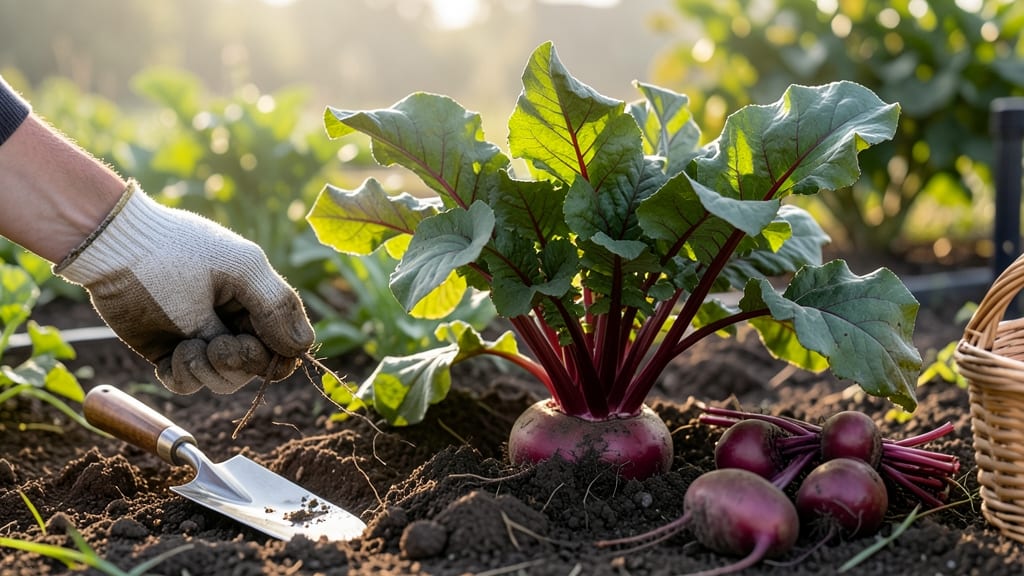
To pick beets from your garden at their sweetest, watch for roots reaching 1–3 inches in diameter and tops about 3–4 inches tall—this is the perfect window before they turn woody.
Picture this: you’ve nurtured your 🍠 plants all season, only to pull a small, pithy root or a bitter, overgrown one. The difference between a tender harvest and a disappointing one comes down to timing—and those three key visual cues.
Season matters too: harvest spring-planted beets from June to October, while fall crops should come out by October–December before frost dulls their flavor. But the real secret? Pulling them when the soil is loose and the roots slide out easily.
In this guide, I’ll walk you through the exact signs to look for, plus how to avoid the two biggest mistakes—harvesting too early or waiting too long—and keep your beets fresh for weeks after the garden.
3 Key visual signs your beets are ready for harvest
Harvesting beets at the right moment transforms your garden into a treasure trove of sweet, tender roots. But how do you know when they're truly ready? Miss the window, and you risk tough, woody beets or bitter flavors.
The good news? Mother Nature provides clear visual cues that tell you exactly when to grab your gardening gloves and head to the garden.
Unlike some vegetables that rely on days-to-maturity charts, beets give you real-time feedback through their leaves, roots, and overall appearance. Ignoring these signs often leads to common harvesting mistakes, like pulling beets too small or leaving them in the ground until they become inedible.
Let’s explore the three foolproof indicators that guarantee you’ll harvest beets at their peak.
- 📏 Root Diameter: 1–3 inches (use fingers to gauge—about the size of a golf ball)
- 🍃 Leaf Size: 3–4 inches tall with deep green, vibrant foliage (avoid harvesting when leaves are yellowing)
- 🌍 Skin Texture: Smooth, firm, and slightly glossy (rough or cracked skin means it’s overripe)
First, pay attention to the root diameter, which is the most reliable indicator. When beets reach 1–3 inches in width, they’re typically at their sweetest.
You can check this by gently brushing away soil with your fingers or using a small hand trowel to expose the root. Smaller roots (under 1 inch) tend to be pithy and less flavorful, while larger ones can become tough and fibrous.
Next, observe the leaf size and color. Healthy beet greens should be 3–4 inches tall with deep, glossy green leaves. If the leaves start turning yellow or wilting, it’s a sign the beet is either stressed or overripe.
Some gardeners mistakenly think larger leaves mean a bigger root, but this isn’t always true—over-mature leaves can signal the beet has stopped growing optimally.
The third clue lies in the skin color and texture. At peak ripeness, beet skins are smooth and slightly glossy, often developing their characteristic deep red, golden, or striped hues.
If the skin feels rough, cracked, or leathery, the beet has likely passed its prime. Color variations like streaks or patches can also indicate stress, so prioritize beets with even, vibrant tones.
One common harvesting mistake is waiting until beets are too large, thinking they’ll be sweeter. In reality, larger beets often develop a woody core, making them less enjoyable to eat. Similarly, harvesting too early results in small, underdeveloped roots that lack flavor.
The key is to strike a balance—check your beets every 2–3 days once they’re close to size, especially during their final growth phase.
For child beets (smaller varieties like 'Babybeat' or 'Detroit Dark Red'), the ideal harvest size is even smaller—around ½–1 inch in diameter.
These varieties are bred to stay tender and sweet when harvested young, so don’t wait for them to grow larger. Thin your seedlings early to avoid competition, ensuring each plant has enough space to reach its perfect size.
Finally, consider the seasonal timing alongside these visual cues. Early spring or late summer beets may mature faster due to cooler temperatures, while hot summer months can slow growth.
If your beets aren’t reaching the ideal size within 50–70 days (depending on the variety), they might need more sunlight, water, or nutrients. Adjust your care routine accordingly to encourage faster, healthier growth.
Once you’ve confirmed all three signs—root size, leaf health, and skin texture—it’s time to harvest!
Use a fork or your hands to gently loosen the soil around the beet, then pull it out with care. Leave the greens attached until you’re ready to use them, as they can wilt quickly after harvesting.
Store beets in a cool, dark place for up to 2 weeks to preserve their freshness and flavor.
Best time of day and season to harvest beets for maximum flavor
Timing your beet harvest isn't just about waiting for roots to grow—it's about catching them at their peak sweetness and tender texture. Beets develop their richest flavors when harvested during cool morning hours after evening dew has evaporated but before the sun intensifies.
This timing preserves moisture and enhances natural sugars.
Seasonally, aim for harvests when soil temperatures stay between 50°F and 75°F—too hot or too cold stresses plants, leading to bitter or woody roots. Spring-planted beets typically reach harvest readiness by late June, while fall varieties thrive until first frost in October.
| Factor | Ideal Condition | Why It Matters |
|---|---|---|
| Time of Day | Early morning (6-9 AM) | Preserves moisture and sweetness |
| Seasonal Temperature | 50°F-75°F | Prevents bitterness from heat stress |
| Plant Maturity | 50-70 days after sowing | Balances size and flavor development |
| Soil Moisture | Consistently damp | Prevents tough, fibrous roots |
| Sunlight Exposure | 6+ hours daily | Ensures proper sugar accumulation |
For extended storage, harvest beets when they're slightly smaller than ideal—1-2 inches in diameter—as they'll continue maturing post-harvest. Store them in a cool, dark place (40°F-50°F) where they can last up to 3 months without refrigeration.
If you're planning to eat them fresh, wait until they reach 2-3 inches for maximum sweetness.
Pay attention to your local climate: in hotter regions, beets may mature faster and need harvesting earlier, while cooler climates allow for a longer growing season. Always check for loose soil before pulling—resistant roots mean they're not ready yet.
Remember, beets continue developing flavor even after harvest, so don't rush the process. The golden rule is to harvest when roots feel firm but still tender—like a ripe tomato. This balance ensures both texture and flavor perfection.
🍠