
Plants
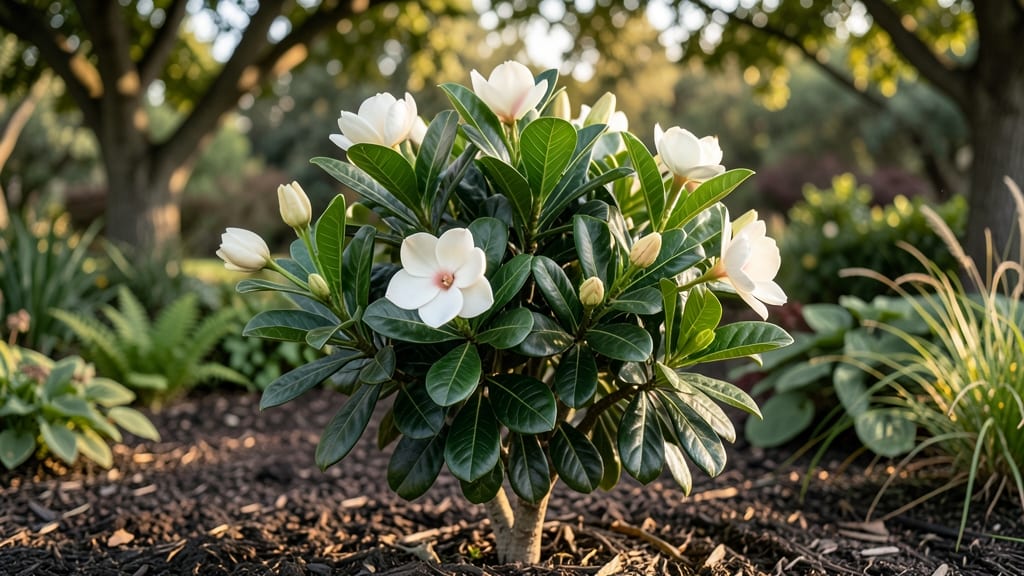
When does the gardenia plant bloom? Its fragrant, creamy-white flowers typically arrive in late spring through summer, with exact timing shaped by your climate zone and variety.
Picture this: you’ve waited months for that intoxicating, creamy-white fragrance to fill your garden, only to wonder why your 🌸 gardenia hasn’t bloomed yet. The answer lies in the balance of sunlight, soil acidity, and your local frost dates—especially in USDA Zone 6a, where timing can shift by weeks.
Most gardenias in temperate zones burst into flower between May and July, but tropical varieties in warmer climates may bloom year-round. The key? Planting in spring (April–May for Zone 6a) and giving your gardenia the right care—like acidic soil and partial shade—to trigger those show-stopping blooms.
Below, I’ll break down the month-by-month schedule for popular varieties, how to adjust for your region, and the simple tweaks that can make your gardenia bloom earlier—or keep it flowering longer.
Gardenia blooming seasons by variety: month-by-month breakdown
If you’ve ever waited eagerly for your gardenia to bloom, you’re not alone. These fragrant shrubs thrive on routine, and their blooming windows vary wildly by variety.
Some burst into creamy-white flowers in early spring, while others wait until late summer—knowing the schedule helps you anticipate and encourage those intoxicating blooms. Let’s break down the exact month-by-month timeline for the most popular gardenia types, including key visual cues like bud formation and leaf changes.
Most gardenias follow a predictable cycle: bud formation in late spring, followed by full blooms in summer or early fall. However, tropical varieties like Gardenia radicans can bloom year-round in warm climates, while temperate types like Gardenia jasminoides may take a seasonal break.
Understanding these patterns helps you adjust care—like pruning or fertilizing—to maximize your gardenia’s flowering potential.
Below is a month-by-month breakdown of when to expect blooms, along with signs to watch for. Whether you’re growing standard gardenias in containers or dwarf varieties in your garden beds, this guide ensures you’ll never miss the show.
Notice how Gardenia jasminoides and Gardenia fortuniana bloom earlier in the year, making them ideal for spring garden displays. Meanwhile, Gardenia augusta and Gardenia radicans shine in warmer months or tropical settings.
If you live in USDA Zone 7 or cooler, focus on varieties like 'Kleim’s Hardy', which tolerate brief chills and still produce blooms in summer.
One of the most exciting signs of an upcoming gardenia bloom is the color change in buds. For example, Gardenia jasminoides buds start green and turn creamy-white just before opening. Gardenia augusta, on the other hand, develops a faint pink hue before blooming.
Paying attention to these cues helps you predict blooming windows with near-perfect accuracy.
For gardeners in cooler climates (Zones 6–7), timing is everything. If you notice buds forming in late spring but no blooms by summer, your gardenia might need a winter mulch or afternoon shade to protect it from heat stress.
Conversely, in Zones 9–11, gardenias often bloom year-round if given consistent moisture and acidic soil (pH 5.0–6.5).
Pro tip: If your gardenia’s blooms are sparse or nonexistent, check for these three common issues:
- Insufficient sunlight: Gardenias need 4–6 hours of morning sun but hate afternoon heat.
- Over-fertilizing with nitrogen: Too much nitrogen promotes leaves over blooms.
- Poor soil drainage: Waterlogged roots can cause buds to drop.
Finally, if you’re growing gardenias in containers, expect blooms
How climate zones shift gardenia blooming times (USDA guide)
Your gardenia’s blooming schedule isn’t set in stone—it shifts dramatically based on your USDA hardiness zone. In Zones 7–9, most varieties bloom from late spring to early fall, while Zones 10–11 enjoy near-year-round flowers.
The key difference? Frost sensitivity. Tropical gardenias (like Gardenia jasminoides) in warmer zones may bloom twice annually, while temperate varieties in cooler zones wait for stable warmth before flowering.
In Zone 7, gardenias often bloom from June to September, triggered by consistent daytime temperatures above 70°F. By Zone 11, blooms can appear as early as March and continue through December.
The longer growing season in warmer zones gives gardenias more time to develop buds and flowers. Even in cooler zones, microclimates (like protected garden spots) can push blooming 2–4 weeks earlier.
🌱
If you’re in a cooler zone (Zone 6 or below), gardenias may only bloom once per year, typically in late summer. To extend the season, plant near a south-facing wall or use row covers in early spring to trap heat.
In Zone 11, gardenias often bloom year-round but may slow in winter months if temperatures drop below 55°F. Even in tropical climates, drought stress can delay blooming, so consistent moisture is critical.
For frost-sensitive varieties, like Gardenia augusta, always plant in containers if you’re in Zone 7 or cooler. This lets you move plants indoors before the first frost.
In Zones 8–9, gardenias planted in well-draining soil with morning sun will bloom earlier and longer than those in shady spots. The soil pH (ideally 5.0–6.5) also plays a role—acidic soil encourages bud formation and vibrant blooms.
To shift blooming times, adjust your care routine. In cooler zones, prune lightly in early spring to stimulate new growth and fertilize with high-phosphorus food in late winter.
In warmer zones, reduce watering slightly in winter to mimic a dormant period, which can trigger spring blooms. The goal? Align your gardenia’s natural rhythms with your local climate for the most fragrant, long-lasting flowers.
🌿 Whether you’re in Zone 7 or Zone 11, understanding your gardenia’s climate-driven schedule lets you predict and extend blooming seasons. With the right adjustments, you can enjoy those creamy-white blooms for months longer—or even year-round in the right conditions.
Start by matching your variety to your zone, then fine-tune with light, water, and soil tweaks for peak performance.