
Watering
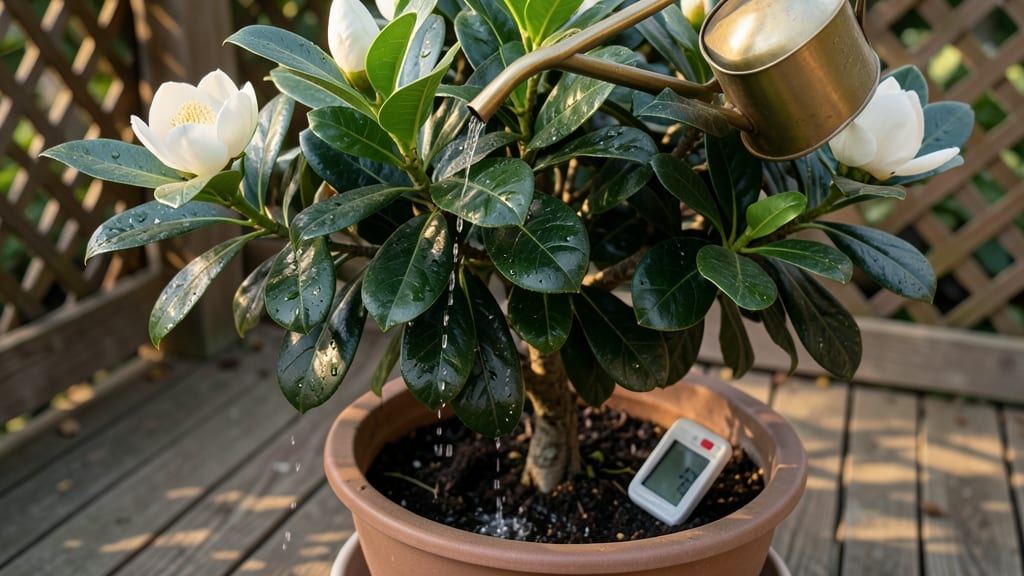
To water a gardenia plant properly means keeping its soil consistently moist without drowning the roots — the difference between fragrant blooms and sad, wilted leaves.
Struggling to keep your gardenia 🌸 blooming? The secret lies in mastering its watering needs — too much or too little can spell disaster for these fragrant favorites. One wrong move, and you’ll end up with yellowing leaves or root rot instead of those show-stopping flowers.
Unlike drought-tolerant succulents, gardenias crave moisture but hate soggy soil. The key is deep, infrequent watering that mimics their natural tropical habitat, paired with the right soil mix and seasonal adjustments. Get this right, and your plant will reward you with lush growth and season-long blooms.
In this guide, I’ll walk you through the exact watering schedule for each season, how to tell when your gardenia is thirsty (or drowning), and pro tips like mulching and drip irrigation to keep things effortless. No more guessing — just healthy, happy gardenias.
Perfect watering schedule for gardenia plants by season
Gardenia plants thrive when their watering routine matches the seasonal demands of their delicate roots and fragrant blooms. Unlike drought-tolerant succulents, gardenias demand consistent moisture but despise soggy soil—balancing these needs is key to vibrant flowers year-round.
I’ve learned the hard way that skipping this balance leads to drooping leaves or root rot, both of which can kill your plant quickly.
Your gardenia’s water needs shift dramatically with temperature changes, humidity levels, and even the plant’s growth stage. For example, a summer gardenia in full bloom may need watering every 2-3 days, while a winter-dormant plant might only require water every 2 weeks.
The trick? Checking the soil moisture before watering—never on a schedule alone.
🌸 Seasonal watering isn’t just about frequency—it’s about technique. Gardenias hate wet foliage, so always water at the base of the plant and avoid overhead sprinkling. Early morning is ideal because it allows foliage to dry before evening, reducing fungal risks like powdery mildew. I’ve seen gardenias wilt within days when watered at night, so timing matters just as much as amount.
Let’s start with spring watering, when your gardenia wakes from dormancy and begins pushing new growth. In USDA Zone 6a, this typically means April through May, when soil temperatures rise but humidity remains moderate.
During this time, water deeply once a week, ensuring the top 1-2 inches of soil stay consistently moist. Think of it like giving your plant a long drink—this encourages deep root growth, which supports those heavy, fragrant blooms.
If you notice new leaves wilting by midday, it’s a clear sign to water more frequently. I’ve found that container gardenias dry out faster than in-ground plants, so check soil moisture daily in pots.
Stick your finger 1 inch deep—if it feels dry, water thoroughly until it runs out the drainage holes. Overwatering in spring can stunt growth, so always pair watering with well-draining, acidic soil (pH 5.0-6.5).
Summer is when gardenias really show their thirst. With temperatures soaring and humidity dropping, your plant may need watering every 2-3 days, especially in full sun exposures.
The key here is morning watering—aim to finish by 10 AM to prevent fungal spores from thriving on wet leaves. I use a soaker hose to deliver water directly to the roots, which cuts down on evaporation and keeps foliage dry.
Mulching with 2-3 inches of pine bark also helps lock in moisture.
Watch for drooping leaves in summer—this is often a sign of underwatering, but yellowing leaves with brown edges usually mean overwatering or salt buildup. Flush the soil occasionally with plain water to remove excess salts, especially if you’re using tap water.
In extreme heat, you might need to water daily, but always check the soil first. Never let gardenias sit in soggy soil—root rot spreads quickly in these conditions.
As fall approaches, reduce watering gradually to prepare your gardenia for dormancy. By September, cut back to weekly waterings, and by October, you should only water when the top ½ inch of soil feels dry.
This slow taper helps the plant harden off naturally. I’ve seen gardenias bloom into early winter when given consistent fall care, but this requires monitoring soil moisture closely—too much water now can lead to winter rot.
Winter care is all about minimal intervention. In USDA Zone 6a, gardenias may lose leaves entirely, entering dormancy. Water bi-weekly or only when the soil feels completely dry. Overwatering in winter is a common mistake—soggy soil can suffocate roots when the ground is cold.
If your gardenia is potted, move it to a protected location like a garage or under an eave to shield it from freezing winds and excess moisture.
Your gardenia plant communicates its water needs through subtle visual cues and leaf conditions. Unlike drought-tolerant succulents, gardenias thrive on consistent moisture but despise soggy roots. Learning to read these signals ensures your plant stays lush and blooms abundantly. Start by examining the leaves and stems. Drooping or wilting leaves are classic signs of underwatering, while yellowing leaves often indicate overwatering. The soil’s texture and smell also reveal critical clues about your gardenia’s hydration status. When your gardenia leaves begin to curl or droop, it’s a clear cry for water. Stick your finger 1-2 inches into the soil—if it feels dry, it’s time to water. For potted gardenias, the top inch of soil should dry out between waterings during summer months. Overwatering reveals itself through yellowing leaves that start at the bottom and progress upward. The soil may smell sour, and the leaves might feel mushy to the touch. If you notice root rot symptoms like blackened stems or wilting despite moist soil, reduce watering immediately and improve drainage. For outdoor gardenias, mulch around the base to retain moisture and regulate soil temperature. In containers, ensure pots have drainage holes and use a well-draining potting mix with perlite or orchid bark. Adjust your watering frequency based on your climate—summer heat demands more frequent watering than cool winters. Remember, gardenias are sensitive to water stress in both directions. By tuning into these visual and tactile signals, you’ll keep your gardenia thriving with glossy leaves and fragrant blooms all season long. 🌸Signs your gardenia needs water (or too much!)
How to Water a Gardenia Plant
✅ DO
❌ DON'T