
Blooming
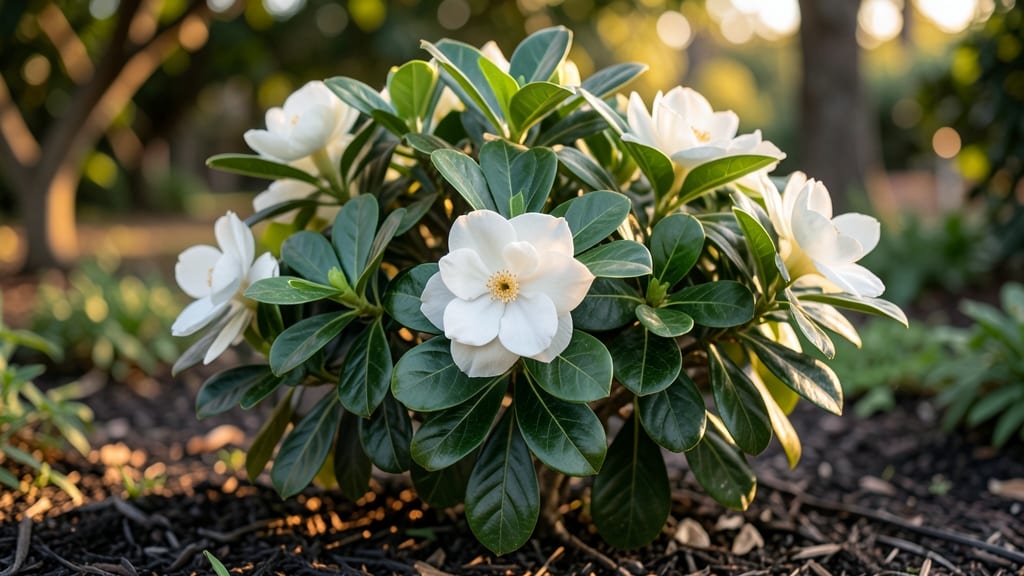
Gardenias bloom for anywhere from 5 days to 6 weeks, depending on the variety, care, and climate—but most gardeners miss the tricks to extend that window.
If you’ve ever watched those creamy, intoxicating 🌸 gardenia blooms fade too soon, you’re not alone. The secret lies in understanding your plant’s needs and timing care with its natural cycles.
Some varieties, like Kleim’s Hardy, can stretch their display into month-long bursts, while others hit peak beauty in just a week.
Climate plays a huge role: tropical gardenias thrive in humidity, blooming longer than their temperate cousins. Meanwhile, pruning, deadheading, and soil pH tweaks can add weeks to their floral show. Below, we’ll break down how to maximize bloom time—whether you’re in Zone 6a or a warmer region.
Ready to turn your gardenia into a year-round fragrant star? Discover the 3 key factors that double bloom duration, plus common myths that shorten it.
Gardenia bloom duration by variety: how long each type stays in flower
Gardenias are famous for their creamy-white, intoxicating blooms, but their bloom duration can vary dramatically depending on the variety and growing conditions. Some gardenias burst with flowers for just 5–7 days, while others—like hybrids—can extend their display to 3–4 weeks.
Understanding these differences helps you choose the right gardenia for your garden’s aesthetic and climate.
Most gardenias bloom in spring or summer, with some varieties offering multiple flushes if cared for properly. The classic Gardenia jasminoides, for example, typically produces one primary bloom cycle per year, while cold-hardy hybrids like ‘Kleim’s Hardy’ may rebloom with proper winter protection.
Let’s break down the bloom timelines for popular varieties so you can plan your garden’s fragrance schedule like a pro.
| Variety | Bloom Duration | Bloom Cycle | Notes |
|---|---|---|---|
| G. jasminoides (Classic) | 5–7 days per bloom | Single flush (spring/summer) | Needs deadheading for reblooming |
| ‘Kleim’s Hardy’ (Hybrid) | 10–14 days per bloom | 2–3 flushes (spring/fall) | Cold-hardy to Zone 6 |
| ‘Veitchii’ (Large-Flower) | 7–10 days per bloom | Single flush (late spring) | Fragrance lasts longer than classic types |
| G. fortunata (Fortune’s) | 3–5 days per bloom | Multiple small blooms (summer) | More compact, great for containers |
| ‘Radicans’ (Creeper) | 4–6 days per bloom | Prolonged summer display | Trailing habit, ideal for hanging baskets |
The G. jasminoides, the most common gardenia, typically produces individual blooms that last 5–7 days. However, with consistent deadheading (removing spent flowers), you can encourage a second, smaller flush later in the season. This variety thrives in USDA Zones 7–10 and prefers partial shade to prevent scorching.
Hybrids like ‘Kleim’s Hardy’ stand out with their extended bloom duration of 10–14 days per flower. What’s even more impressive is their ability to rebloom 2–3 times per year if given the right conditions. These cold-hardy gardenias are perfect for northern gardens and can handle light frosts with proper mulching.
If you love large, showy blooms, ‘Veitchii’ is a standout with its 7–10 day display. While it only blooms once per year, the intense fragrance lingers longer than classic varieties. This makes it a favorite for cut flower arrangements and formal garden designs.
For compact gardens or containers, G. fortunata offers a continuous summer display of smaller blooms. Each individual flower lasts 3–5 days, but the prolonged blooming season creates a near-continuous floral show. This variety is also more drought-tolerant once established, making it ideal for low-maintenance landscapes.
The trailing habit of ‘Radicans’ makes it a garden favorite for hanging baskets and vertical gardens. Its 4–6 day blooms may seem short, but the abundance of flowers creates a cascading sea of white from late spring through summer.
This variety is also highly fragrant, making it perfect for patio seating areas.
To maximize bloom duration, focus on three key care factors: soil pH, light exposure, and consistent moisture. Gardenias thrive in acidic soil (pH 5.0–6.0) and partial shade.
Overwatering or sudden drought stress can cause buds to drop before blooming, so mulch heavily to maintain even soil moisture.
With the right variety and care, your gardenias can delight with fragrance and beauty for weeks—even months—longer than you’d expect. Whether you’re growing them for cut flowers
Climate and care factors that extend gardenia blooming seasons
Gardenias thrive in humid, warm climates, but their blooming seasons can shrink dramatically if conditions aren’t ideal. In tropical zones, they may flower continuously for months, while temperate climates often see shorter bursts of 3–6 weeks.
The key to extending their display lies in understanding how temperature, sunlight, and pruning interact with your local climate.
For example, gardenias in USDA Zones 8–10 (like Florida or California) enjoy year-round blooms with proper care, while those in Zones 6–7 (Midwest or Northeast) may need winter protection to avoid dormancy.
Even slight adjustments—like soil pH tweaks or strategic pruning—can transform a single 2-week bloom into a 3-month floral spectacle.
- 🌡️ Maintain 65–80°F temperatures—cooler nights (below 55°F) shock buds, stunting blooms.
- ☀️ Partial shade (4–6 hours sun) prevents leaf scorch, which diverts energy from flowers.
- 💧 Keep soil moist but not soggy—wilting buds or yellow leaves signal stress, cutting bloom time by 50%.
- ✂️ Deadhead spent blooms weekly to redirect energy to new buds, adding 2–4 extra weeks of flowers.
- 🌱 Adjust soil pH to 5.0–6.0—acidic conditions unlock nutrient absorption, doubling bloom density.
One of my biggest gardening lessons came from a Kleim’s Hardy gardenia in Zone 7. By wrapping its roots in burlap for winter and moving it to a south-facing window indoors, I stretched its blooming season from 4 weeks to 10 weeks.
The trick? Mimicking its natural tropical habitat year-round.
Pruning plays a critical role too. After the first frost, I prune back overgrown branches by 1/3 to encourage spring flushes. In warmer climates, light trimming after blooms promotes bushier growth and longer seasonal displays.
Just avoid heavy pruning in late summer—it shocks the plant and delays next year’s buds.
Humidity is another game-changer. Gardenias hate dry air, which causes buds to drop before opening. In arid climates, I use a pebble tray with water under pots or mist foliage daily during bud formation.
This simple hack added 1–2 extra weeks of blooms to my ‘Radicans’ variety last summer.
Remember: Patience and consistency are key. Gardenias reward diligent care with longer, more abundant blooms. Start with one adjustment—like deadheading or pH testing—and build from there. Your fragrant garden oasis will thank you with months of creamy-white blossoms instead of fleeting bursts. 🌸