
Tools
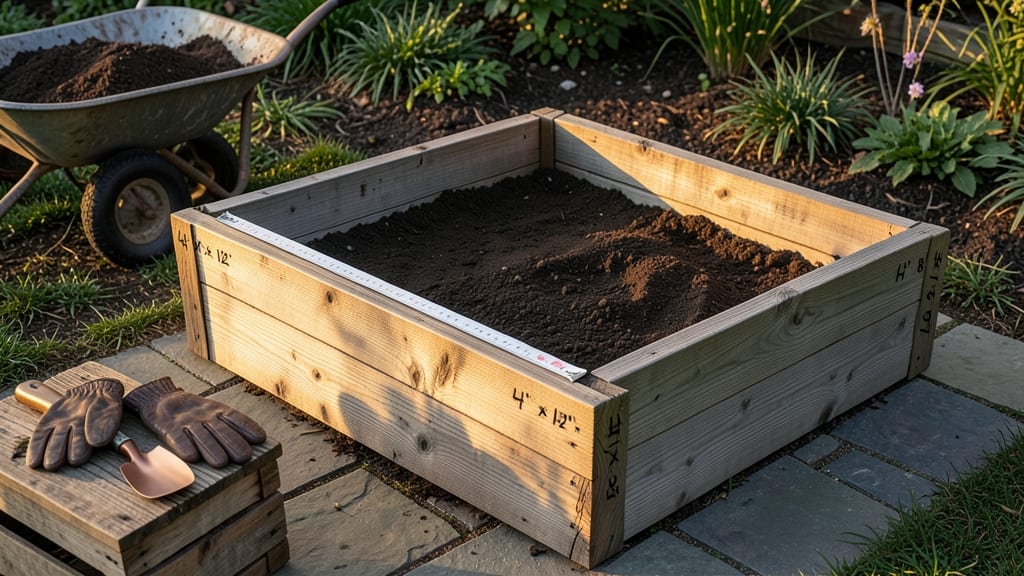
Standard raised garden bed sizes are typically 4 feet wide by 8 feet long, designed for comfortable reach and efficient planting. Depths range from 6 to 12 inches for most crops, while deeper beds (12-18 inches) accommodate root vegetables like tomatoes and potatoes.
This 4x8-foot standard isn't arbitrary—it's the sweet spot for ergonomics and productivity. 🌱 With a width of 4 feet, you can easily reach the center without stepping into the bed, reducing soil compaction and saving your knees.
The 8-foot length allows for optimal planting density while keeping the bed manageable to work with. As for depth, the 6-12 inch range gives roots enough room to spread without requiring excessive soil volume, which is especially important for smaller gardens where space is limited.
For deeper-rooted plants like asparagus or potatoes, extending to 12-18 inches ensures they won't become root-bound. I've found that adjusting dimensions based on plant type—like creating narrower beds for herbs or wider ones for sprawling crops—can dramatically improve yield and organization.
The key is balancing accessibility with space efficiency, so you're not left with awkward gaps or overcrowded rows.
💡 In This Article
- Why 4x8 Feet Is the Optimal Raised Garden Bed Size
- Customizing Raised Bed Dimensions for Different Plant Types
Why 4x8 feet is the optimal raised garden bed size
The 4-foot width of a standard raised bed is a game-changer for accessibility and soil health. When you stand at the edge, your arm can comfortably reach the center without stepping inside—this prevents soil compaction from foot traffic, which can suffocate roots and reduce aeration.
Studies show that soil compaction decreases oxygen levels by up to 30%, stunting plant growth. The 8-foot length balances productivity with manageability; it's long enough to accommodate multiple rows of crops while staying narrow enough to avoid mid-bed stepping.
Soil volume plays a critical role in this design. A 4x8-foot bed with 12-inch depth contains about 3.5 cubic feet of soil, which is roughly 25% more than a comparable in-ground plot due to the raised height.
This extra volume improves moisture retention and temperature regulation—critical for crops like lettuce or herbs that prefer consistent conditions. The 6-12 inch depth range also prevents overheating in summer while maintaining good drainage, as deeper beds can trap excess moisture near the bottom.
Plant spacing becomes intuitive with these dimensions. For example, you can fit 4 rows of carrots (spaced 3 inches apart) along the 4-foot width, with each row stretching the full 8 feet. This layout maximizes yield while allowing easy weeding and harvesting.
Herbs like basil or parsley thrive in the outer edges where they get more sunlight, while leafy greens in the center benefit from partial shade. The 4x8-foot ratio also aligns with how most gardeners naturally move—it fits perfectly between two garden rows or along a fence line without feeling cramped.
Drainage efficiency is another hidden advantage. The 8-foot length allows for better water distribution when irrigating from the ends, while the 4-foot width prevents water from pooling in the center.
I've noticed that beds this size dry out more evenly after rain, reducing the risk of fungal diseases like damping-off that thrive in soggy soil. For containers or smaller spaces, scaling down to 3x6 feet maintains these benefits while saving materials.
Consider the science behind plant competition: in a 4x8-foot bed, you're creating an ecosystem where plants support each other. Tall crops like tomatoes on one side can provide shade for heat-sensitive lettuce in the center, while shallow-rooted herbs at the edges benefit from the bed's natural warmth.
This vertical layering isn't just space-saving—it's a strategic way to maximize every square inch without sacrificing yield.
What most people overlook is how these dimensions adapt to human movement. The 4-foot width matches the average person's arm span, while the 8-foot length fits comfortably between two garden paths.
This ergonomic design means you can tend to your entire bed without bending awkwardly or stepping on the soil—critical for maintaining loose, aerated growing conditions. 🌱