
Propagation
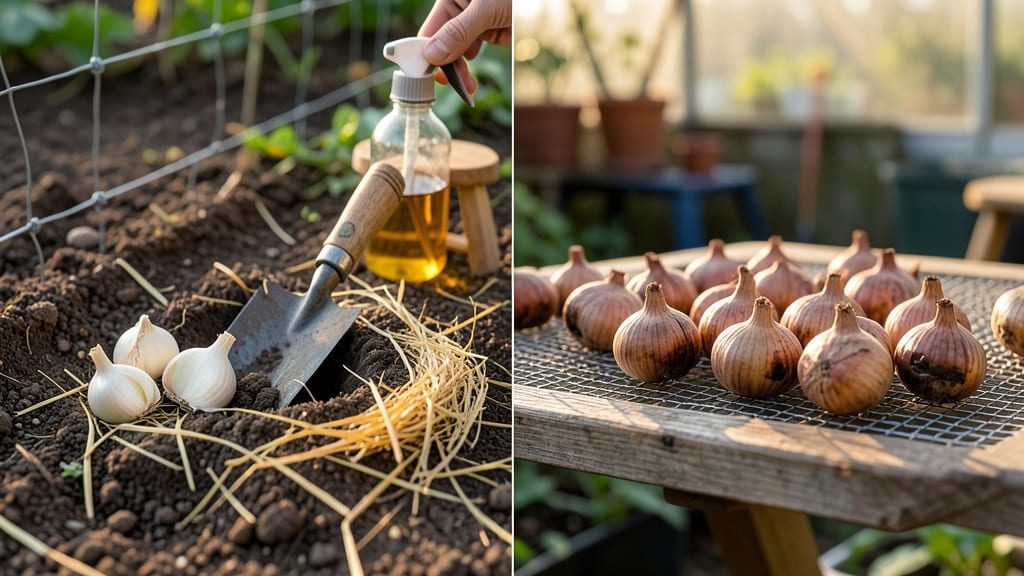
What keeps bunnies away from gardens effectively combines natural deterrents like aromatic plants (garlic, mint, or marigolds), physical barriers (chicken wire or fencing), and commercial sprays containing capsaicin or predator urine. Using multiple methods together yields the most reliable long-term protection.
Bunnies rely heavily on their keen sense of smell, so strong scents like garlic or citrus disrupt their foraging instincts. 🌿 Physical barriers work because rabbits can't jump high—fencing at least 2 feet tall with an outward slope prevents them from digging underneath.
Commercial repellents with capsaicin mimic predator presence, creating an instinctive avoidance response. The key is consistency: reapplying sprays every few weeks and refreshing plant borders keeps them effective season after season.
For extra protection, I recommend layering methods—planting mint around the garden perimeter while installing wire fencing. This creates a multi-sensory deterrent that's harder for bunnies to ignore. 🐰 Even predator urine needs reapplication every 2-3 weeks to maintain its effectiveness, so planning a maintenance schedule is crucial for long-term success.
💡 In This Article
- How Natural Bunny Repellents Work Against Garden Pests
- Best Long-Term Bunny-Proofing Strategies for Gardens
How natural bunny repellents work against garden pests
Bunnies have an extraordinary sense of smell—up to 14 times stronger than humans—which makes scent-based repellents their biggest weakness. Plants like garlic and mint contain volatile oils (such as diallyl disulfide in garlic) that create strong aromatic compounds.
When crushed or disturbed, these oils release molecules that rabbits instinctively avoid, as they mimic the scent profiles of predators or toxic plants in their natural habitat. 🌿 For example, the sulfur compounds in garlic trigger a gag reflex in rabbits, making them associate the smell with discomfort.
Physical barriers work through a different mechanism: rabbits are poor jumpers and diggers. A fence needs to be at least 2 feet tall with a 30-degree outward slope to prevent them from hopping over or tunneling underneath.
The slope creates a natural barrier that rabbits can't easily navigate, while the height ensures they can't reach plants. Chicken wire (with 1-inch mesh) is often used because its flexibility makes it harder for rabbits to chew through compared to rigid materials.
Predator urine repellents leverage a rabbit's deep-seated survival instincts. When they detect the scent of foxes or coyotes, their natural response is to flee. Commercial sprays use synthetic versions of these scents, but they need to be reapplied every 2-3 weeks because the molecules degrade in sunlight and rain.
The key is consistency—bunnies learn quickly, so intermittent use makes repellents less effective over time. 🐾
Texture also plays a role in deterrence. Rabbits dislike rough or prickly surfaces, which is why some gardeners use mulch made from pine needles or cedar chips. These materials release natural oils that rabbits find unpleasant and create an uncomfortable walking surface.
The combination of scent, texture, and physical barriers creates a multi-sensory deterrent that's far more effective than any single method alone.
One often-overlooked factor is the placement of repellents. For scent-based solutions, planting aromatic herbs in a 1-foot-wide border around the garden creates a natural barrier that rabbits won't cross. The closer the plants are to the garden edge, the more effective they become at signaling danger.
This spatial arrangement mimics how wild rabbits use vegetation to mark territory boundaries in their natural habitats. 🌱
For commercial sprays containing capsaicin (the compound that makes chili peppers hot), the active ingredient works by irritating a rabbit's nasal passages and eyes. When applied to garden plants, the capsaicin molecules adhere to leaf surfaces, creating a chemical barrier that rabbits avoid.
However, this method requires careful application—direct contact with plant foliage can damage some varieties, so it's best used on hearty plants like kale or lettuce that can tolerate mild irritation.