
Planting
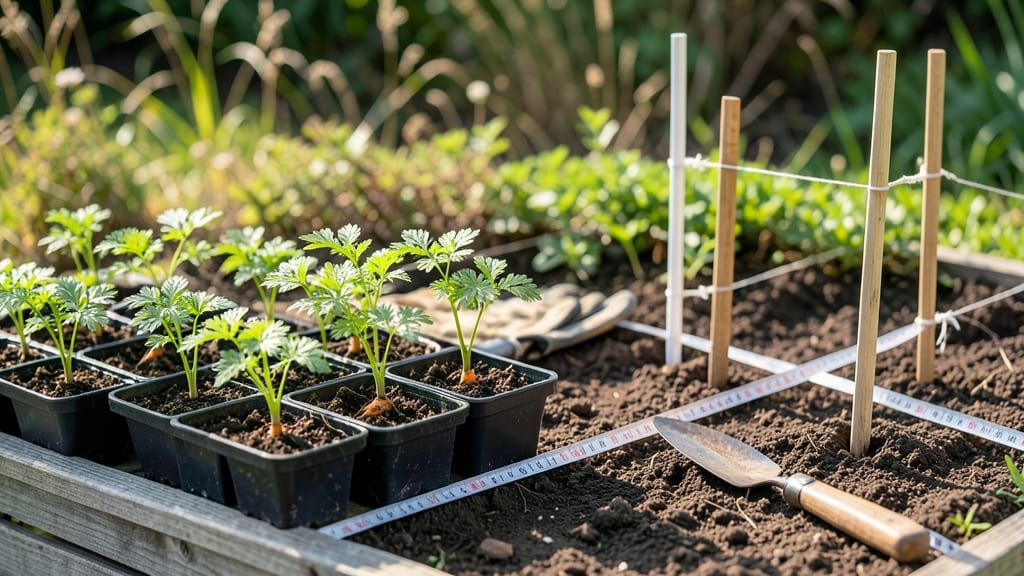
To determine how far apart garden rows should be, space most vegetables 18 to 36 inches apart, while taller plants like tomatoes or corn need 30–48 inches to prevent shading and improve airflow. Adjust spacing based on plant maturity and sunlight needs to maximize yield and reduce disease risk.
Proper garden row spacing isn't just about fitting more plants—it's about giving each plant the right conditions to thrive. 🌱 Leafy greens like lettuce can handle closer spacing (18–24 inches) since they grow quickly and don't need much room, while sprawling plants like cucumbers or squash need at least 36–48 inches to spread without competing for sunlight.
I've found that wider spacing also improves airflow, which helps prevent fungal diseases in humid climates. For small gardens, consider vertical growing or interplanting fast-maturing crops with slower ones to make the most of limited space.
When planning your layout, think about the plant's mature size and how it will interact with its neighbors. For example, pairing tall tomatoes with low-growing basil creates a natural shade for the basil while keeping the tomatoes from overcrowding.
Using string lines or grid markers can help maintain consistent spacing, especially when dealing with multiple row types. In cooler climates, you might start with closer spacing and widen rows as plants grow, while warmer climates may require more upfront space to prevent heat stress.
💡 In This Article
- How Plant Type Determines Optimal Garden Row Spacing
- Garden Layout Tips for Efficient Row Spacing
How plant type determines optimal garden row spacing
The science behind garden row spacing revolves around three key factors: sunlight interception, root competition, and air circulation. Leafy greens like spinach or kale thrive with 18-24 inches between rows because they grow quickly and have shallow roots.
Their broad leaves need minimal vertical space, but they benefit from wider spacing to prevent fungal diseases caused by trapped moisture. Compare this to fruiting plants like peppers or eggplants, which need 24-30 inches—their bushier growth requires more room for airflow to prevent blossom-end rot or powdery mildew.
Vining crops like cucumbers or pole beans demand the widest spacing (36-48 inches) because their sprawling habits compete aggressively for sunlight. 🌿 What most gardeners overlook is how plant maturity affects spacing needs.
Seedlings can start closer together (as little as 6-12 inches), but as they grow, their canopies expand, creating shade that stunts neighboring plants. For example, a tomato plant might start at 18 inches apart but needs 36 inches by mid-season to support its 4-5 foot height and 3-foot spread.
This spacing logic extends to root systems too. Carrots or radishes with pencil-thin roots can grow in tight rows (12-18 inches), while squash with deep, spreading roots need 3-4 feet between plants.
The rule of thumb is: the larger the mature plant's footprint (both above and below ground), the more space it needs. For instance, a mature pumpkin vine can stretch 20 feet, so giving it a 5-foot diameter planting circle prevents it from smothering nearby crops.
Consider how plants interact with sunlight throughout the day. Tall plants like sunflowers or corn cast long shadows that can reduce light for shorter plants by up to 40% if spaced too closely.
This is why many gardeners use the "sunlight pyramid" method: placing tallest plants on the north side (in northern hemisphere) to minimize shading. For example, a 6-foot corn stalk needs 36 inches between rows to avoid blocking sunlight for adjacent beans or lettuce planted 12 inches away.
Seasonal growth patterns also play a role. Cool-season crops like broccoli or cabbage grow slowly in spring, so starting them 12-18 inches apart works well. But by summer, their heads can reach 2 feet wide, requiring thinning.
Warm-season crops like tomatoes or peppers, however, grow rapidly in hot weather, so their initial spacing must account for their aggressive growth from day one. The key is to visualize each plant's mature size and adjust spacing accordingly—this prevents the "crowded jungle" effect that reduces yields by 30-50%.
Here's a quick reference for common plant categories:
- Leafy greens: 18-24 inches (spinach, lettuce, kale)
- Fruiting plants: 24-30 inches (peppers, tomatoes, eggplants)
- Vining crops: 36-48 inches (cucumbers, pole beans, squash)
- Root vegetables: 12-18 inches (carrots, radishes, beets)
- Tall stalks: 36-48 inches (corn, sunflowers, artichokes)
Remember that these are guidelines—your microclimate matters too. In humid regions, add 6-12 inches extra to improve airflow, while in arid climates, you can sometimes space closer since plants grow slower.
The goal is to create a garden ecosystem where each plant has enough resources to reach its full potential without competing unfairly with its neighbors. 🌱