
Tools
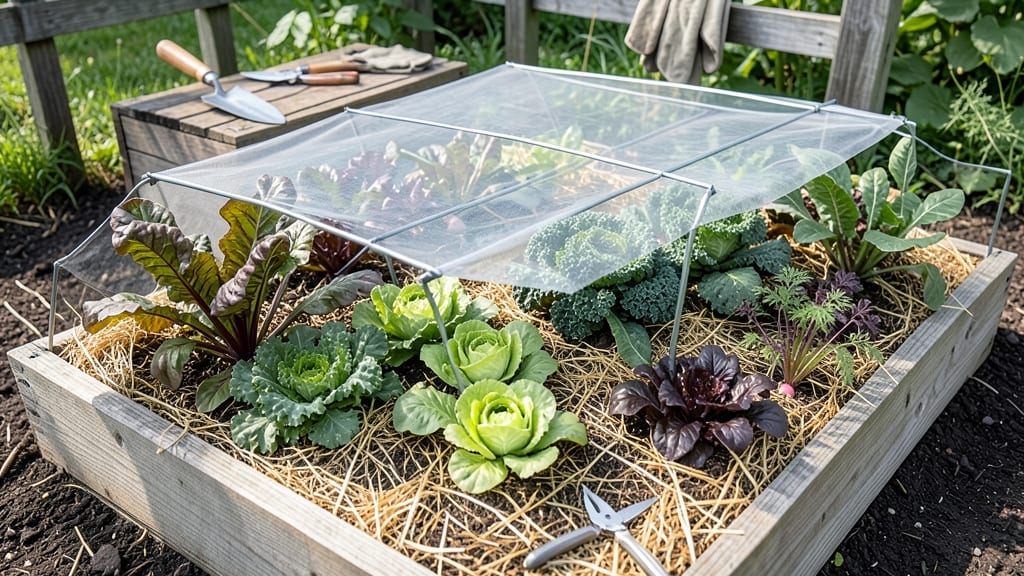
Using shade cloth for garden beds helps control sunlight exposure, shielding plants from intense heat and sun damage while maintaining optimal growing conditions. The fabric blocks 20% to 90% of light, allowing you to tailor protection to specific plant types and regional climates.
Shade cloth acts like a natural sun filter, adjusting light levels to match what different plants need to thrive. 🌿 For example, a 30% shade cloth works well for heat-sensitive vegetables like lettuce, while 50% or higher is better for tropical flowers that need protection from direct sun.
The right percentage keeps plants from wilting while still allowing enough light for photosynthesis. I’ve seen how this simple tool can turn a struggling garden into a lush, productive space—especially in areas with intense summer heat.
Beyond light control, shade cloth also helps regulate temperature and humidity in the soil. By reducing direct sunlight, it prevents the ground from overheating, which can stress plant roots. This is particularly useful in hot climates where traditional gardening becomes challenging.
Plus, the fabric allows for airflow, preventing the stagnant conditions that lead to fungal issues. Think of it as a climate control system for your garden beds!
💡 In This Article
- How Shade Cloth Blocks Light and Regulates Plant Growth
- Choosing the Right Shade Percentage for Your Garden Plants
How shade cloth blocks light and regulates plant growth
Shade cloth works by physically filtering sunlight through a woven fabric structure that scatters and absorbs ultraviolet (UV) rays before they reach plant foliage. The fabric's density—measured in percentage of light blockage—determines how much sunlight penetrates.
For example, a 30% shade cloth allows about 70% of light through while blocking harmful UV rays, which can cause leaf burn. This partial blockage mimics natural dappled shade, creating an ideal environment for plants that need protection from intense midday sun but still require photosynthesis energy.
The science behind this involves how plants respond to light intensity. Too much sunlight causes oxidative stress in leaves, leading to wilting and sunburn. Shade cloth reduces this stress by lowering leaf surface temperatures by 10-15°F during peak sun hours.
For instance, in a 90°F environment, a 50% shade cloth can drop leaf temperatures to a more manageable 75-80°F, preventing heat damage while maintaining sufficient light for growth.
The fabric also increases humidity near the plant canopy by 5-10%, which is crucial for plants like basil or lettuce that thrive in cooler, moister conditions.
Different shade percentages create distinct microclimates in garden beds. A 20-30% cloth is ideal for heat-sensitive vegetables like spinach or radishes, providing just enough protection to prevent bolting (premature flowering) while allowing growth.
Meanwhile, 50-70% cloths work best for tropical plants like hibiscus or impatiens, which need protection from direct sun but can't tolerate deep shade. The key is matching the cloth's density to the plant's native growing conditions—think of it as recreating their natural habitat in your garden.
Beyond light control, shade cloth affects soil temperature and moisture retention. Direct sunlight can heat garden soil to 120°F or higher, which can kill beneficial microbes and stress plant roots. A properly installed 40% shade cloth can reduce soil surface temperatures by 20-30°F, creating a cooler root zone.
This temperature regulation is especially critical in containers or raised beds where soil heats up more quickly. The fabric also slows evaporation, helping retain 15-20% more moisture in the soil compared to unshaded beds.
What many gardeners don't realize is how shade cloth affects plant physiology at a cellular level. By reducing light intensity, it lowers the production of ethylene—a plant hormone that accelerates aging and stress responses. This is why shaded plants often have slower, more controlled growth patterns.
For example, tomatoes grown under 30% shade cloth develop fewer sunburned spots and produce fruit with better flavor profiles. The cloth essentially helps plants allocate their energy toward growth rather than damage repair.
Installation technique plays a crucial role in effectiveness. Shade cloth should be positioned 3-4 feet above plants to allow airflow while maintaining even coverage. The fabric's angle matters too—vertical installation works best for tall crops like corn, while horizontal setups suit low-growing plants like strawberries.
Proper spacing between support hoops (typically 6-8 feet apart) ensures the cloth doesn't sag, which could create uneven shade patterns that stress plants.
For maximum benefit, consider using shade cloth seasonally. In spring and fall, you might use 20-30% coverage to protect young seedlings, while summer often requires 50% or higher for mature plants.
The flexibility of shade cloth makes it one of the most adaptable tools in a gardener's arsenal—like having a customizable sun umbrella for your entire garden bed. 🌿