
Light Requirements
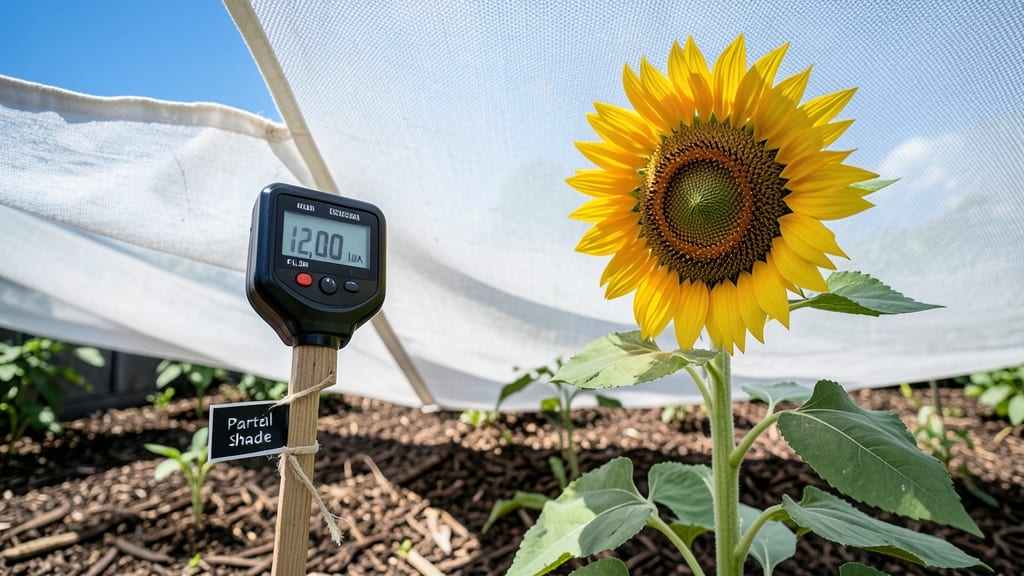
How much sunlight does a garden need depends on plant type: full-sun varieties thrive with 6–8+ hours daily, part-sun plants do best in 3–6 hours, and shade-tolerant species need under 3 hours. Young seedlings require gentle, indirect light to avoid damage, while established plants often handle direct exposure better.
Sunlight isn't just about hours—it's about intensity and timing. 🌞 Plants like tomatoes and sunflowers crave full sun because they rely on strong light for photosynthesis and fruit production, while hostas and ferns prefer dappled shade to prevent leaf burn.
The key is matching your garden's light conditions to each plant's natural habitat, whether that's a south-facing border or a north-side woodland edge. I've found that even mature plants can show stress if suddenly moved from shade to full sun, so gradual acclimation works best.
Seasonal shifts also play a role: summer sun is more intense, while winter light is weaker. 🌱 This means you might need to adjust plant placement or use shade cloth during peak heat. For example, a part-sun herb garden might thrive in morning sun but need afternoon shelter in July.
Paying attention to these details can mean the difference between a thriving garden and one struggling to keep up.
💡 In This Article
- Sunlight Requirements by Plant Categories
- Adjusting Sunlight for Seedlings vs. Mature Plants
Sunlight requirements by plant categories
Sunlight needs vary dramatically across plant types because photosynthesis efficiency depends on chlorophyll structure and leaf anatomy. For example, full-sun plants like peppers and marigolds have thick, waxy leaves that reflect excess light, while shade-tolerant plants like impatiens have thinner leaves that absorb lower light levels.
The difference lies in their stomata density—sun-lovers have fewer stomata to reduce water loss under intense light.
Vegetables demonstrate this perfectly: tomatoes need 6-8+ hours of direct sun to produce fruit, while lettuce thrives in 3-4 hours to prevent bolting. Herbs like rosemary handle full sun beautifully, but basil wilts in afternoon heat and prefers morning sun only.
The intensity matters too—filtered light (like through tree canopies) provides only 10-30% of full sun's energy, which is perfect for ferns but deadly for sunflowers.
Flowering plants often have specific needs tied to their natural habitats. Sunflowers, native to open prairies, demand 8+ hours to reach their full 6-foot height, while woodland phlox thrives in 2-3 hours of dappled shade.
Even within categories, there's variation: perennials like daylilies tolerate part sun, but annuals like zinnias require full sun to rebloom continuously. This is why gardeners often see zinnias struggling in shady spots—they simply can't photosynthesize enough to produce new flowers.
Trees show the most dramatic adaptations. Deciduous trees like maples need full sun when young but tolerate shade as they mature, while evergreens like rhododendrons prefer partial shade to prevent needle scorch.
The key difference is their root systems: shallow-rooted trees need consistent light, while deep-rooted species can access water in shaded conditions. This explains why rhododendrons often thrive under pine trees—their needles create perfect filtered light conditions.
What most gardeners overlook is how light quality changes with seasons. Summer sun delivers 10,000-12,000 lux of light intensity, while winter light drops to 3,000-5,000 lux. This means a part-sun plant in summer might get too much light, while the same spot in winter could be insufficient.
Using shade cloth (30-50% coverage) during peak summer can prevent leaf burn in marginal plants while maintaining growth rates.
Consider this practical breakdown for common garden categories:
- Full Sun (6-8+ hours): Tomatoes, peppers, sunflowers, lavender, rosemary (ideal for south-facing beds)
- Part Sun (3-6 hours): Basil, coleus, daylilies, hostas, most perennials (best in morning sun with afternoon shade)
- Shade (under 3 hours): Ferns, impatiens, astilbe, most woodland natives (thrive under tree canopies or north walls)
Understanding these categories helps prevent common mistakes like planting sun-loving vegetables in shady corners or burning shade plants with sudden full exposure. The secret to a thriving garden lies in matching each plant's native light conditions to your available space. 🌿