
Plants
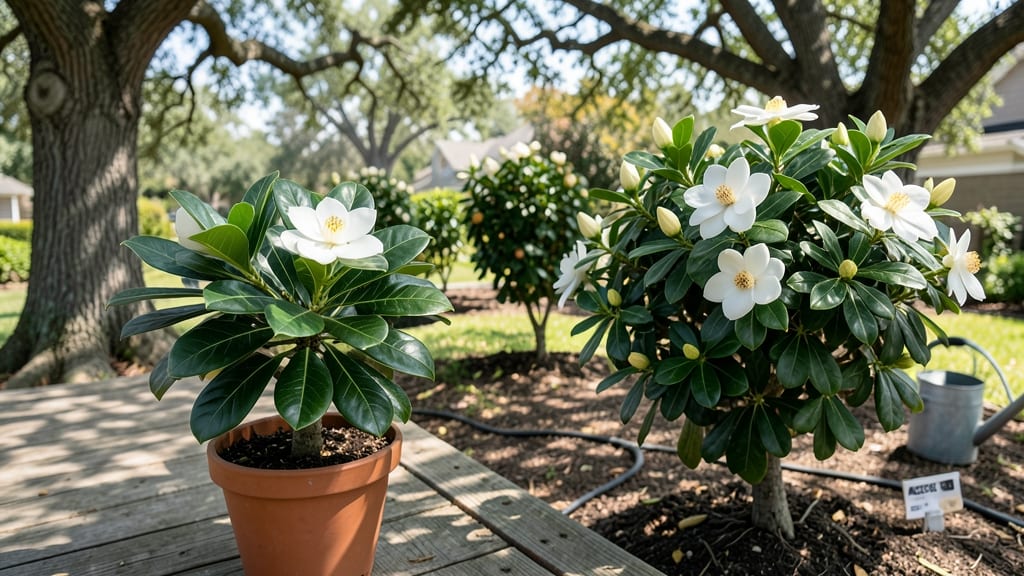
Your gardenia plant thrives in partial shade with morning sun and afternoon shade 🌸 — too much direct sun scorches its leaves, while too little shade stunts those prized blooms.
Struggling to keep your gardenia blooming? The battle often comes down to one critical factor: light. Too much sun scorches delicate leaves, while too little shade stunts fragrant blooms—but finding the perfect balance is the secret to year-round beauty.
In USDA Zone 6a, gardenias planted in spring need 4-6 hours of bright, indirect light daily. That means an east-facing window or a spot under high branches where sunlight filters through gently.
Below, I’ll show you how to spot the signs of improper light—like leaf scorch or sparse blooms—and adjust your gardenia’s position for maximum fragrance and vibrant flowers all season.
 Best Window Placement
Gardenia sun requirements: finding the perfect balance for optimal blooms
Gardenia plants thrive on bright, indirect light, making them perfect for partial shade gardens. While they need sunlight to produce their iconic fragrant white blooms, too much direct sun can cause leaf scorch and wilting.
The ideal balance is 4-6 hours of morning sun followed by afternoon shade—especially in hot climates where temperatures exceed 85°F (29°C).
In coastal climates, gardenias often tolerate more afternoon sun due to cooler ocean breezes, while inland areas require afternoon shade to prevent heat stress. Understanding your USDA hardiness zone helps too—zones 7-10 offer the best conditions, but gardenias can adapt with proper shade adjustments.
| Condition | Ideal Specification | Signs of Stress |
|---|---|---|
| Sunlight Hours | 4-6 hours (morning sun preferred) | Yellowing leaves, sparse blooms |
| Afternoon Shade | 4+ hours (especially in hot zones) | Brown leaf edges, wilting |
| Coastal Climate | 6-8 hours (ocean breeze tolerance) | None (if humidity is high) |
| Inland Climate | 3-4 hours (afternoon shade critical) | Bleached leaves, stunted growth |
| USDA Zones | 7-10 (best performance) | Poor blooming in zones 6 or below |
If your gardenia receives too much direct sun, watch for white or brown patches on leaves—a classic sign of sunburn. These areas become crispy to the touch and may drop off.
In contrast, under-exposure leads to dark, leggy stems and fewer blooms. The key is observing your plant’s growth patterns and adjusting shade structures like lattice screens or nearby trees accordingly.
Seasonal adjustments are crucial. In summer months, gardenias in hot inland zones may need afternoon shade cloth (30-50% shade) to prevent heat stress. Conversely, winter sunlight is gentler, so you can often increase exposure to 6 hours of sun to encourage spring blooming.
Always monitor leaf color—deep green indicates ideal light, while yellowing or pale leaves signal imbalance.
For container gardenias, position pots near east-facing windows or under patio umbrellas to control sunlight. Rotate pots quarterly to ensure even light exposure, preventing one-sided growth. In shady gardens, supplement with a grow light (12-14 hours daily) during winter to maintain bloom production.
Gardenias in USDA Zone 7 or cooler may need winter protection, such as burlap wraps or mulch layers, but sunlight needs remain consistent.
The goal is consistent light exposure—avoid drastic changes, as gardenias are sensitive to sudden shade shifts, which can cause bud drop and leaf loss.
Pro tip: Place gardenias 3-5 feet from south-facing walls to benefit from reflected light without direct sun exposure. This mimics their natural understory habitat in tropical forests, where they thrive under dappled sunlight.
Pair them with tall grasses or bamboo to create a natural shade canopy while adding texture to your landscape.
Remember, gardenias communicate their light needs through leaf color and bloom frequency. A well-lit gardenia should produce 2-3 blooms per season with glossy, dark green leaves. If blooms are sparse or leaves are pale or yellow, it’s time to reassess your sun-shade balance.
Small adjustments—like moving a sheer curtain or trimming a nearby tree—can make a world of difference.
With the right light balance, your gardenia will reward you with year-round fragrance and lush foliage. Start by observing your plant’s current conditions, then tweak its environment gradually. Patience and attention to detail are the secrets to flawless gardenia care.
Shade solutions for gardenias: when and how to protect from harsh sunlight
Gardenias thrive in partial shade, but their delicate leaves can suffer from intense afternoon sun. If your gardenia shows signs of leaf scorch or wilting, it's time to adjust its lighting conditions.
The key is creating a balanced environment that mimics their natural tropical habitat while preventing heat stress.
Not all shade is equal—dappled sunlight (filtering through trees) works better than dense, dark shade, which can reduce blooms. Understanding the difference helps you choose the right protection method for your gardenia's specific needs, whether it's outdoors or indoors.
- 1. Dappled Sunlight: Filtered light through leafy trees (e.g., oak, maple) provides ideal partial shade.
- 2. Sheer Curtains: Use white lace curtains on south/west-facing windows to diffuse harsh sunlight.
- 3. Strategic Planting: Place gardenias 10-15 feet from tall shrubs or walls to block direct afternoon sun.
- 4. Temporary Shade Cloth: Install 30-50% shade cloth during peak summer months (May-August).
- 5. Gradual Transition: Move potted gardenias to shade over 2-3 weeks to avoid shock.
For outdoor gardenias, position them where they receive morning sun (6 AM–10 AM) and afternoon shade (2 PM–6 PM). East-facing locations are perfect, while west-facing spots may need additional shade structures like trellises with climbing vines or permeable shade sails.
If your gardenia is indoor-bound, avoid placing it near south-facing windows during summer. Instead, opt for east or north-facing windows or use sheer curtains to soften light. Rotate the pot quarter-turns weekly to ensure even growth and prevent lopsided shading.
One common mistake is sudden shade shifts, which can cause leaf drop or bud failure. Always acclimate gardenias to new light conditions gradually—move them to 50% shade for a week before full shade. Monitor their response: healthy leaves and new buds signal success.
Pro tip: Mulch around the base of your gardenia with organic matter (like pine bark) to keep roots cool. This mimics their native humid, shaded forest floor and helps retain moisture during hot days.
With the right shade strategy, your gardenia will reward you with lush foliage and abundant blooms year-round. 🌿