
Light Requirements
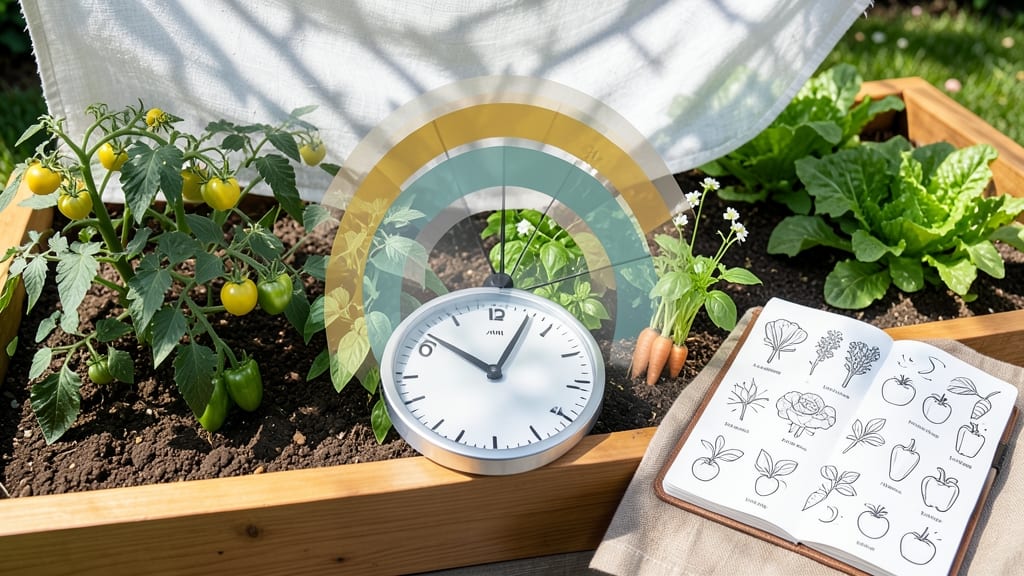
A vegetable garden needs 6 to 8 hours of sunlight daily to thrive — the difference between a bountiful harvest and a sad, stunted plot. Ever stared at your struggling plants and wondered why they’re not growing despite your best efforts?
The answer might be simpler (or more complex) than you think.
Sunlight isn’t just about location—it’s about matching crops to light. Tomatoes and peppers demand full sun, while leafy greens like spinach can handle partial shade. Get this wrong, and you’ll waste time, space, and even soil.
But here’s the good news: with the right setup, even a small garden can produce like a pro.
In this guide, I’ll break down exactly how many hours each crop needs, how to measure sunlight in your space, and how to tweak your garden layout for maximum efficiency.
Whether you’re dealing with shade from a tree or just starting out, you’ll learn how to give every plant the perfect light conditions.
Ready to transform your garden from “meh” to “magnificent”? Let’s dive into the sunlight secrets that will have your 🥬 vegetable garden flourishing all season long.

Sunlight requirements for vegetables: full sun vs. partial shade breakdown
Understanding sunlight requirements for your vegetable garden is the first step to a bountiful harvest. Most gardeners assume all vegetables need full sun, but the truth is more nuanced.
Some crops, like tomatoes and peppers, thrive with 8+ hours of direct sunlight, while others, such as leafy greens and root vegetables, can handle partial shade. Getting this right means fewer wasted plants and more delicious produce.
Sunlight is measured in hours of direct light per day, and even a small difference—like 4 hours vs. 6 hours—can drastically affect growth. For example, cucumbers and squash need 6-8 hours to produce well, while lettuce and spinach can tolerate 3-4 hours in cooler climates.
Let’s break down the exact needs for your favorite vegetables so you can plan your garden layout with confidence.
Full sun typically means 6+ hours of direct sunlight, but some crops demand even more. Partial shade usually refers to 3-6 hours of sunlight, often with dappled light or filtered sun. Meanwhile, low-light conditions (under 3 hours) are best suited for shade-tolerant crops. Knowing these distinctions helps you avoid common mistakes, like planting tomatoes in shady spots or struggling with bolting lettuce when it gets too much sun.
| Vegetable | Sunlight Needs | Daily Hours | Notes |
|---|---|---|---|
| Tomatoes | Full Sun | 8+ hours | Needs intense light for fruiting; may split in too much heat. |
| Peppers | Full Sun | 6-8 hours | Thrive in warm climates; avoid afternoon shade. |
| Cucumbers | Full Sun | 6-8 hours | Vines need support; too much shade reduces yield. |
| Lettuce | Partial Shade | 3-4 hours | Bolts in full sun; prefers cooler, shadier spots. |
| Spinach | Partial Shade | 3-5 hours | Grows well in spring/fall; avoids summer heat. |
| Carrots | Partial Shade | 4-6 hours | Prefers cooler soil; too much sun can cause bitter roots. |
| Green Onions | Low Light | 2-3 hours | Fast-growing; tolerates container gardens with minimal sun. |
| Basil | Full Sun | 6+ hours | Loves heat; may wilt in afternoon shade. |
| Kale | td style="padding: 8px; border-bottom: 1px solid #ddd;">Partial Shade3-5 hours | Sweeter after frost; tolerates cooler temps. |
If you’re growing tomatoes or peppers, prioritize the sunniest spot in your garden, ideally facing south in the Northern Hemisphere. These full-sun lovers need consistent light to set fruit and avoid blossom-end rot.
On the other hand, leafy greens like spinach and lettuce can actually bolt (go to seed prematurely) if exposed to too much heat and sun. Plant them in morning sun with afternoon shade for best results.
For root vegetables, such as carrots and beets, partial shade helps prevent the soil from drying
How to adjust your garden layout for optimal sun exposure
Even the most experienced gardeners struggle with sunlight distribution—especially when dealing with shade from trees or north-facing walls. The key is strategic planning, and it starts with understanding how sunlight shifts throughout the day and seasons.
I’ve learned that even a small adjustment in plant placement can double your harvest for sun-loving crops like tomatoes or peppers.
First, map your garden’s sunlight patterns by observing it over a week. Note which areas get morning sun only, afternoon shade, or full sun all day. This helps you assign the right plants to the right spots.
For example, leafy greens like spinach thrive in partial shade, while cucumbers demand 6+ hours of direct sun to produce well.
⚠️ callout warning ⚠️
Myth: "More sun is always better."
Reality: 6-8 hours is ideal for most vegetables—excessive heat (like 10+ hours in summer) can scorch delicate plants like lettuce. Test your spots with a sunlight calculator app or place a white board in suspected areas for a week to track hours accurately. Overestimating sun exposure is a common mistake that leads to wilting or poor yields.
For small spaces, use vertical gardening to maximize sunlight. Trellises for beans or peas free up ground space while ensuring they get the 4-6 hours of sun they need. Pair tall, sun-loving plants like sunflowers with shorter crops on the north side to prevent shading.
I once grew bush beans under a dwarf tomato plant, and both thrived without competing for light.
Seasonal adjustments are critical. In summer, your garden’s eastern border might get scorched by midday sun, while the western side could bake. Rotate heat-sensitive crops like basil or zucchini to cooler morning-light spots.
Conversely, in winter, southern exposures become goldmines for winter greens like kale, which need 4-6 hours of winter sun to survive.
If your garden has permanent shade (like under a large tree), focus on shade-tolerant crops like Swiss chard or radishes. Even here, you can extend sunlight by pruning overhanging branches in late winter—just time it so new growth doesn’t block light during the growing season.
I pruned a maple tree in February, and by June, my lettuce patch got an extra 2 hours of sun daily.
Finally, group plants by their sunlight needs to avoid overcrowding or competition for light. Use companion planting to your advantage: plant carrots with onions (they tolerate partial shade) near tomatoes (which need full sun) but keep them far enough apart to avoid shading.
A well-planned layout isn’t just about sun—it’s about creating a balanced ecosystem where every plant gets what it needs. ☀️