
Planting
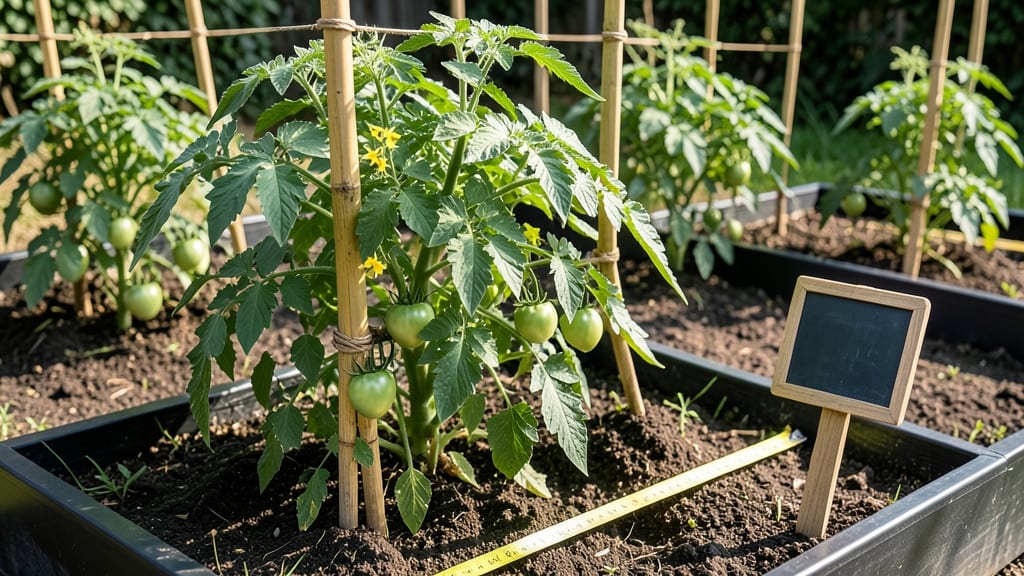
Spacing for garden plants determines their health and productivity, with dwarf varieties thriving at 6-12 inches apart and larger plants like tomatoes needing 18-36 inches. Always check seed packet guidelines to balance nutrient access, sunlight exposure, and airflow for maximum growth.
Understanding spacing for garden plants isn't just about fitting more into your plot—it's about creating an environment where roots can expand freely and leaves reach for sunlight without fighting neighbors. 🌱 Overcrowding forces plants to compete for water and nutrients, leading to stunted growth or disease from poor airflow.
For instance, leafy greens like lettuce can handle closer spacing (8-12 inches), while fruiting plants like tomatoes need room to sprawl (18-24 inches) to avoid blight. Even herbs like basil (12-18 inches apart) perform better with personal space to prevent fungal infections.
Proper spacing also plays a key role in your garden's long-term success. When plants have enough room, their root systems develop deeper, making them more drought-resistant. Plus, adequate airflow between leaves reduces humidity—nature's breeding ground for fungal diseases like powdery mildew.
I've seen firsthand how a well-spaced garden not only produces bigger yields but also requires less maintenance over time.
💡 In This Article
- How Plant Spacing Affects Growth and Disease Prevention
- Garden Plant Spacing Charts by Type (Vegetables, Herbs, Flowers)
How plant spacing affects growth and disease prevention
Root competition is the first casualty when plants are too close. Each plant's roots absorb water and nutrients from the soil, and when they're crowded, they start "stealing" from neighbors.
For example, a tomato plant's root system can spread 18-24 inches wide, while a carrot's roots grow vertically and need 2-3 inches of space to avoid deforming.
This competition forces plants to divert energy toward survival rather than growth, resulting in smaller yields and weaker stems that snap easily in wind.
Sunlight exposure is another critical factor—leaves in the center of crowded plants receive only 10-30% of the light that outer leaves get. Chlorophyll production drops dramatically in shaded areas, causing leaves to turn yellow and growth to stall.
Leafy greens like spinach or kale can tolerate closer spacing (6-8 inches) because they grow quickly and harvest before shading becomes an issue, while fruiting plants like peppers or eggplants need 18-24 inches to develop full-sized fruit without leaf burn.
Air circulation is often overlooked but crucial for disease prevention. Humid conditions between crowded leaves create the perfect environment for fungal spores to thrive. For instance, powdery mildew spreads 50% faster in dense plantings compared to well-spaced gardens.
Herbs like basil or dill, which have broad leaves, need 12-18 inches of space to allow airflow, while narrow-leaved plants like parsley can handle 8-10 inches apart. Proper spacing reduces humidity by 30-40%, cutting down on fungal and bacterial diseases.
Pest attraction is another hidden consequence of poor spacing. Overcrowded gardens trap heat and moisture, signaling pests like aphids or spider mites that plants are stressed and easy targets.
For example, corn planted too closely (less than 12 inches apart) attracts more corn earworm moths because the dense foliage provides ideal hiding spots. Even beneficial insects like ladybugs avoid crowded gardens because they can't navigate efficiently to hunt pests.
Consider the growth habit of your plants—vining varieties like cucumbers or squash need 36-48 inches of space to sprawl, while bush varieties like determinate tomatoes stay compact at 18-24 inches. Root crops like beets or radishes need even more vertical space (2-3 inches deep) to prevent forking.
The key is matching the plant's mature size to its spacing needs, which you'll find on seed packets or plant tags.
One common mistake is assuming "more is better" when planting. I've seen gardens where rows of carrots were planted 1 inch apart, resulting in twisted, stunted roots that were nearly unusable.
Conversely, giving plants too much space (36+ inches for small herbs) wastes garden real estate and reduces overall yield. The sweet spot is usually 50-75% of the plant's mature width, giving roots room to breathe while keeping foliage from shading neighbors.