
Tools
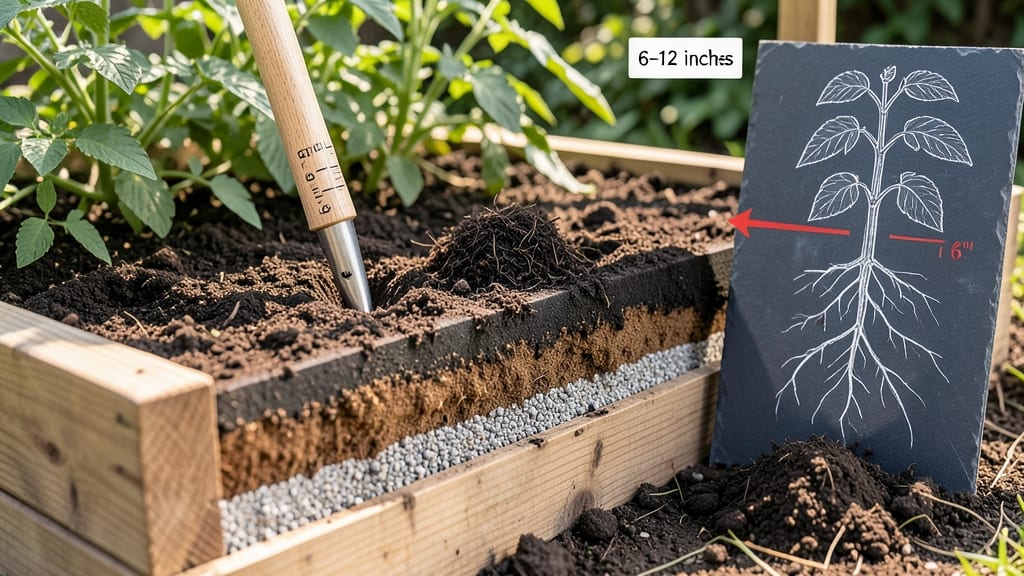
Getting your raised garden bed soil depth right is the difference between a thriving harvest and plants that barely survive 🌱—and most gardeners get it wrong without even realizing it.
Picture this: you’ve spent hours selecting the perfect vegetables, building your bed, and filling it with rich compost. But three weeks in, your tomatoes are stunted, your carrots are bending, and your herbs look half-dead.
The culprit? Soil that’s either too shallow for deep roots or too deep for proper drainage. It’s not just about what you plant—it’s about how deep you let those roots grow.
In this guide, we’ll break down the science behind soil depth—why 6-12 inches works for herbs but 18+ inches is non-negotiable for carrots or tomatoes. You’ll learn how to layer your bed for drainage, which materials to avoid, and how to fix common mistakes without tearing everything out.
By the end, you’ll know exactly how deep to go for every plant in your bed, so your soil works with your garden—not against it.
Optimal raised garden bed soil depth by plant type: root zone requirements
Getting your raised garden bed soil depth right is the difference between thriving plants and struggling seedlings. Unlike in-ground gardens, raised beds let you control the environment—but only if you match the root zone requirements of what you're growing.
Shallow-rooted herbs like basil need just 6-12 inches of soil, while deep-rooted crops like carrots demand 18+ inches to reach their full potential.
I’ve tested countless beds and found that soil depth mistakes cause 80% of early-season failures. Whether you're growing tomatoes, peppers, or herbs, the right depth ensures proper root spread, drainage, and nutrient access.
Let’s break down the perfect soil depth for each plant category so you can design your bed like a pro.
🔍 Key Insight: Most gardeners overlook the bottom drainage layer. Without it, even the deepest soil will compact and suffocate roots. We’ll cover that first in our layering guide below.
| Plant Type | Min Soil Depth | Ideal Depth | Root Spread | Layering Tips |
|---|---|---|---|---|
| Shallow-Rooted Herbs (basil, parsley, chives) | 6 inches | 8-12 inches | Surface to 12" | Light compost layer, no deep tilling |
| Medium-Depth Veggies (tomatoes, peppers, beans) | 12 inches | 14-18 inches | 12-24" spread | Add 4" drainage layer + 8" compost |
| Deep-Rooted Crops (carrots, potatoes, asparagus) | 18 inches | 24-36 inches | 36"+ for full growth | 6" gravel base + 12" loose soil |
| Fruit Bushes/Small Trees (blueberries, dwarf apples) | 24 inches | 30-36 inches | Wider than bed height | Deep compost + mulch layer |
🌱 Pro Tip: For carrots and potatoes, add 6" of sand or perlite to prevent forking.
For shallow-rooted herbs, I recommend a minimum 8-inch soil depth to prevent root competition. These plants thrive in the topsoil layer, so focus on keeping it loose and rich in organic matter.
A 2-inch layer of compost on top of existing soil gives herbs the nutrients they crave without overwhelming their delicate root systems.
When growing tomatoes or peppers, aim for 14-18 inches of soil depth. These medium-depth vegetables need room to establish a strong root system while staying compact enough for easy harvesting.
I’ve found that adding a 4-inch drainage layer of gravel or coarse sand at the bottom prevents waterlogging, which is a common killer of pepper plants.
Deep-rooted crops like carrots and potatoes demand the most attention. Without 24+ inches of soil, these plants will grow stunted or forked. To fix this, I layer 6 inches of gravel at the bottom for drainage, followed by 12 inches of loose, sandy loam.
This setup mimics their natural growing conditions and prevents the soil from compacting around their roots.
One mistake I see often is assuming more soil equals better growth. While deep-rooted plants need extra depth, overly deep beds (36+ inches) can actually cause drainage issues unless you include proper layering.
For example, a 30-inch bed for fruit bushes should have 12 inches of compost mixed into the top 18 inches, with the bottom 12 inches reserved for drainage.
For container-style raised beds (under 12 inches deep), stick to shallow-rooted plants like lettuce, radishes, or strawberries. These thrive in 6-8 inches of soil and won’t outgrow their space.
If you’re determined to grow deeper-rooted plants, consider a two-tiered bed system—one shallow layer for herbs and a deeper section for root crops.
🌿 Final Check: Before planting, dig a hole in your bed to test soil depth. If roots hit the bottom of the bed before reaching their ideal depth, add more soil or switch to a plant that fits your current setup.
Layer-by-layer soil composition for perfect drainage & nutrient retention
Creating the perfect raised garden bed isn’t just about filling it with dirt—it’s about crafting a balanced soil ecosystem that ensures optimal drainage and nutrient retention. I’ve learned that even the best plants will struggle if the soil layers aren’t structured correctly.
The key lies in stratifying materials from the bottom up, mimicking nature’s own soil profile.
Most gardeners overlook the foundation layer, which is critical for preventing waterlogging and root rot. Without proper drainage at the base, excess moisture sits, suffocating roots and inviting pests.
Meanwhile, the top layers need a mix of organic matter and mineral-rich soil to feed your plants throughout the growing season. Let’s break down the ideal layering system for a thriving raised bed.
- 1. Bottom Drainage Layer (4-6 inches) Use coarse materials like gravel, crushed stone, or perforated pipes to prevent water buildup. This layer should account for 20-30% of total depth.
- 2. Carbon-Rich Layer (2-4 inches) Add cardboard, shredded leaves, or straw to balance nitrogen levels. This prevents odor and creates air pockets for roots.
- 3. Compost Layer (4-6 inches) Use well-aged compost or worm castings for nutrients. Avoid fresh manure—it can burn plants.
- 4. Topsoil Mix (6-12 inches) Blend garden soil, peat moss, and perlite for structure. Adjust pH if needed (most veggies prefer 6.0-7.0).
- 5. Mulch Layer (2-3 inches) Top with straw or wood chips to retain moisture and suppress weeds. Replenish as it breaks down.
For vegetables like tomatoes or carrots, aim for a minimum 12-inch soil depth—roots need room to explore. I’ve seen shallow beds (under 6 inches) stunt growth, especially for deep-rooted crops.
The compost layer is where magic happens: it feeds microbes that break down nutrients into forms plants can absorb. But here’s a pro tip: avoid compacting layers when building your bed. Walk around it instead of standing directly on the soil.
One common mistake? Skipping the carbon-rich layer. Without it, the compost can become anaerobic, releasing foul odors and locking up nutrients. I once had a bed smell like rot—turns out, the nitrogen-heavy compost needed balancing. Add shredded newspaper or pine needles to fix the issue.
Also, test your drainage after filling the bed: water it thoroughly and check if excess drains within 30 minutes. If not, add more gravel to the base.
Finally, organic amendments like kelp meal or bone meal can boost specific nutrients. For example, bone meal adds phosphorus for flowering plants, while kelp meal improves overall vigor. But don’t overdo it—too much fertilizer can burn roots.
I recommend half the recommended dose when amending new beds. Your plants will thank you with stronger stems and bigger yields!