
Tools
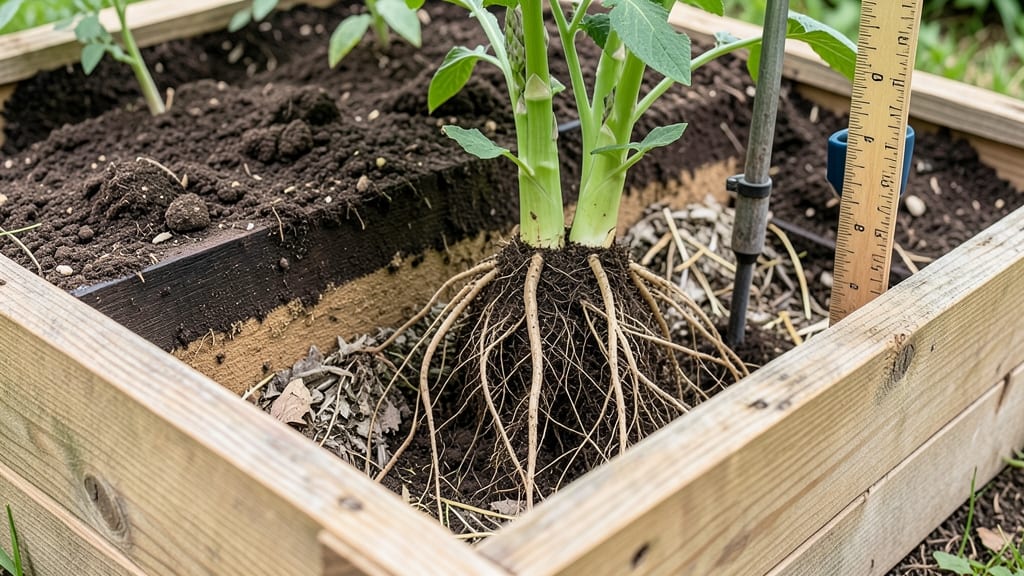
The optimal raised garden bed depth varies by plant type: shallow-rooted herbs and leafy greens thrive in 6–12 inches, while vegetables like tomatoes and peppers need 12–18 inches, and deep-rooted plants such as asparagus or fruit trees require 18–24+ inches of soil. Proper depth ensures strong root development and maximizes yield.
Choosing the right depth isn't just about fitting plants—it's about giving their roots room to breathe and access nutrients. 🌱 Shallow beds may work for quick harvests like radishes, but deeper beds prevent root competition and improve water retention during dry spells.
I've found that adding compost-rich soil at the bottom creates a nutrient-rich zone where roots can spread naturally, which is especially helpful for heavy feeders like squash or peppers.
For container gardening or urban spaces, you can extend depth by using bottomless beds or digging trenches below the frame. This trick lets you grow deeper-rooted crops even in limited spaces.
Just remember: the deeper the bed, the more important it is to monitor moisture levels, as deeper soil stays damp longer and may need less frequent watering.
💡 In This Article
- How Root Depth Determines Plant Success in Raised Beds
- Plant-Specific Raised Bed Depth Guidelines for Common Crops
How root depth determines plant success in raised beds
The root system of your plants is like the foundation of a house—if it's too shallow, the whole structure struggles. Roots need adequate depth to access nutrients, water, and oxygen efficiently.
Shallow beds (6 inches) force plants to compete aggressively for resources, often leading to stunted growth or poor yields. For example, lettuce roots typically grow 6-12 inches deep, but if confined to just 4 inches, they'll become root-bound and produce bitter leaves.
Deeper beds create a natural gradient where roots can spread horizontally and vertically. The top 6 inches of soil is where most microbial activity occurs, breaking down organic matter into nutrients. Below that, roots access moisture from deeper soil layers during dry spells.
Tomatoes, for instance, develop roots up to 18 inches deep—giving them 12 inches of soil means their roots will circle the bed's edges, competing with each other for nutrients rather than exploring downward.
Oxygenation is another critical factor. Compacted soil in shallow beds restricts airflow, causing roots to suffocate. Deep beds allow roots to grow into looser, well-draining layers where oxygen can circulate freely.
This is why asparagus, with its 24-inch root system, requires deep beds—its roots need space to establish before producing spears. Without proper depth, asparagus crowns become stressed, leading to fewer and smaller harvests over time.
Water retention also plays a role. Deeper soil holds moisture longer, reducing the frequency of watering needed. A 12-inch bed may dry out faster than an 18-inch one because the deeper layer acts as a reservoir.
However, too much depth can create anaerobic zones where roots rot from lack of oxygen. The key is balancing depth with proper soil composition—adding compost and perlite improves drainage while retaining moisture.
Consider the texture of healthy roots versus stressed ones. Happy roots are white or light tan, spreading freely, while confined roots turn brown or black and grow in tight circles. This visual difference is a clear sign your bed isn't deep enough.
For instance, peppers with 12-inch roots in a 6-inch bed will develop gnarled, shallow roots that struggle to support the plant's weight, often leading to toppled stems.
For container gardening, where depth is limited, focus on nutrient-dense soil mixes. Adding worm castings or fish emulsion can compensate for shallow roots, but even then, you'll see reduced yields compared to plants with adequate depth.
The rule of thumb: match your bed's depth to the plant's mature root system, and always leave 2-3 inches of space above the soil line for mulch and water retention.