
How To
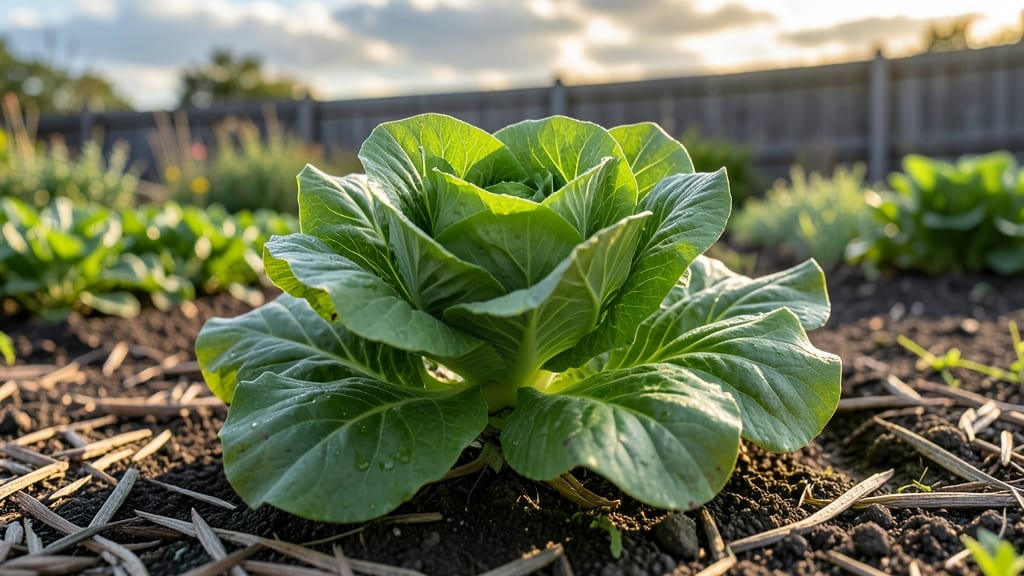
Growing a lettuce garden delivers crisp, homegrown 🥬 greens in just 30 days—perfect for beginners with limited space.
Imagine biting into lettuce you grew yourself, right from your balcony or backyard. The key is choosing the right varieties, spacing them properly, and keeping them happy with consistent care. Even in small containers, you can harvest fresh leaves faster than you can wait for store-bought.
This guide covers everything from soil prep to pest control, so you can avoid common mistakes like overwatering or bolting. Whether you’re using raised beds or repurposed pots, we’ll show you how to maximize your space for a fast, continuous harvest all season long.
Ready to turn sunlight and a little effort into a salad bowl? Let’s get your lettuce garden growing—no green thumb required.


Best lettuce varieties and space-saving planting layouts for fast harvests
When choosing lettuce varieties, the first decision is between leaf lettuce and head lettuce. Leaf varieties like Buttercrunch or Oakleaf grow loose and allow for cut-and-come-again harvesting, while head types like Iceberg or Romaine form compact rosettes.
For small spaces, leaf lettuces win—they mature faster (30 days) and tolerate crowding better.
Spacing is critical for maximizing yield. Plant leaf lettuce 6 inches apart and head lettuce 12 inches apart to prevent competition.
In raised beds, use square-foot gardening principles: place 16 leaf lettuce plants per square foot or 4 head lettuce plants to optimize space while ensuring airflow and sunlight reach all plants.
Here’s how these varieties and layouts compare for your garden:
| Variety Type | Spacing (inches) | Days to Harvest | Space-Saving Tip | Best For |
|---|---|---|---|---|
| Leaf Lettuce (e.g., Buttercrunch) | 6 inches | 28-35 days | Cut-and-come-again harvesting | Containers, small plots |
| Romaine (e.g., Parris Island) | 10-12 inches | 50-60 days | Vertical growing with trellises | Salads, sandwiches |
| Iceberg (e.g., Great Lakes) | 12-14 inches | 70-80 days | Succession planting every 2 weeks | Crunchy textures |
| Loose-Leaf (e.g., Black Seeded Simpson) | 4-6 inches | 25-30 days | Intercrop with radishes or carrots | Fast harvests, microgreens |
For vertical gardening, try growing Romaine or Buttercrunch on a 3-foot trellis. Train the plants to climb by loosely tying stems to the trellis as they grow.
This saves 75% of ground space while keeping leaves clean and pest-free. Pair lettuce with shallow-rooted companions like radishes or carrots to utilize space efficiently.
Succession planting is another game-changer. Sow leaf lettuce every 2 weeks from spring to fall for a continuous harvest. In a 4x4-foot raised bed, you can fit 64 leaf lettuce plants in a staggered layout, ensuring you always have fresh greens ready.
Use shade cloth (30%) in summer to prevent bolting and extend the growing season.
In containers, opt for dwarf varieties like Little Gem or Salad Bowl. A 5-gallon pot can hold 4-6 plants spaced 4 inches apart. Place pots near east-facing windows for 4-6 hours of morning sun, which prevents bolting better than harsh afternoon rays.
Mulch with straw or grass clippings to retain moisture and suppress weeds. This is especially useful in urban balconies where space is tight and maintenance is limited. Mulch also keeps roots cool, reducing stress during hot summer months when lettuce bolts quickly.
Rotate crops annually to prevent soil depletion. Lettuce is a light feeder, but enrich soil with compost before planting. For fall harvests, start seeds indoors 8 weeks before the first frost to extend your growing season.
With these techniques, you’ll enjoy homegrown lettuce year-round—even in the smallest spaces!
Step-by-step guide to growing lettuce in containers and small spaces
Growing lettuce in containers is one of the easiest ways to enjoy fresh, homegrown greens year-round, even on a tiny balcony or windowsill. The key is choosing the right container size and well-draining soil to prevent root rot.
Unlike full-size garden beds, containers let you control moisture and temperature, making them perfect for urban gardeners with limited space.
Whether you're growing microgreens (ready in 10-14 days) or full-size lettuce (30-60 days), the steps are similar. The biggest difference? Microgreens need shallow trays, while mature lettuce requires 6-12 inches of depth for healthy root development. Let’s break it down into simple, actionable steps to get your lettuce thriving.
Your Lettuce Growing Checklist
- 1 Choose the right container: Use pots with drainage holes that are at least 6 inches deep for full-size lettuce or shallow trays (2-3 inches) for microgreens. Materials like fabric or ceramic work well.
- 2 Prep the soil: Mix potting soil with compost (50/50 ratio) for nutrient-rich growth. Avoid garden soil—it compacts in containers and drains poorly. Add a handful of perlite to improve aeration.
- 3 Sow seeds or transplant: For microgreens, scatter seeds thinly on moist soil and cover with ¼ inch of soil. For full-size lettuce, plant seeds ¼ inch deep, spacing them 6-12 inches apart. Water gently to avoid displacing seeds.
- 4 Place in sunlight: Lettuce thrives with 4-6 hours of morning sun (avoid harsh afternoon heat). Ideal spots include east-facing windows or a balcony with partial shade. Microgreens can grow under grow lights for 12-16 hours/day.
- 5 Water consistently: Keep soil moist but not soggy. Water in the morning to reduce evaporation and fungal risks. Containers dry out faster—check soil daily during hot weather. Microgreens need frequent misting to stay hydrated.
- 6 Fertilize lightly: Use a balanced fertilizer (5-10-10) every 4-6 weeks. Avoid over-fertilizing—it causes bitter taste and bolting. For microgreens, skip fertilizer entirely. Instead, use compost tea for a gentle nutrient boost.
- 7 Harvest and repeat: For microgreens, snip leaves 1-2 inches above soil when they’re 1-3 inches tall. For full-size lettuce, harvest outer leaves first, leaving the inner core to regrow. Succession plant every 2 weeks for continuous harvests.
One of the biggest mistakes urban gardeners make is choosing containers that are too shallow. Lettuce roots need space to spread—fabric grow bags or deep ceramic pots (10+ inches) are ideal for full-size varieties.
If you’re growing butterhead or romaine, prioritize depth over width. For leaf lettuce varieties, you can get away with slightly shallower pots (6 inches) since they have looser root systems.
Pests like aphids and slugs love lettuce, but containers make them easier to manage. Place a copper barrier around pot edges to deter slugs, and spray plants with neem oil weekly to prevent aphid infestations.
If you notice yellowing leaves, it’s often a sign of overwatering or nutrient deficiency—adjust your watering schedule or add a balanced fertilizer.
With these steps, you’ll have fresh lettuce in as little as 3 weeks (microgreens) or