
Planting
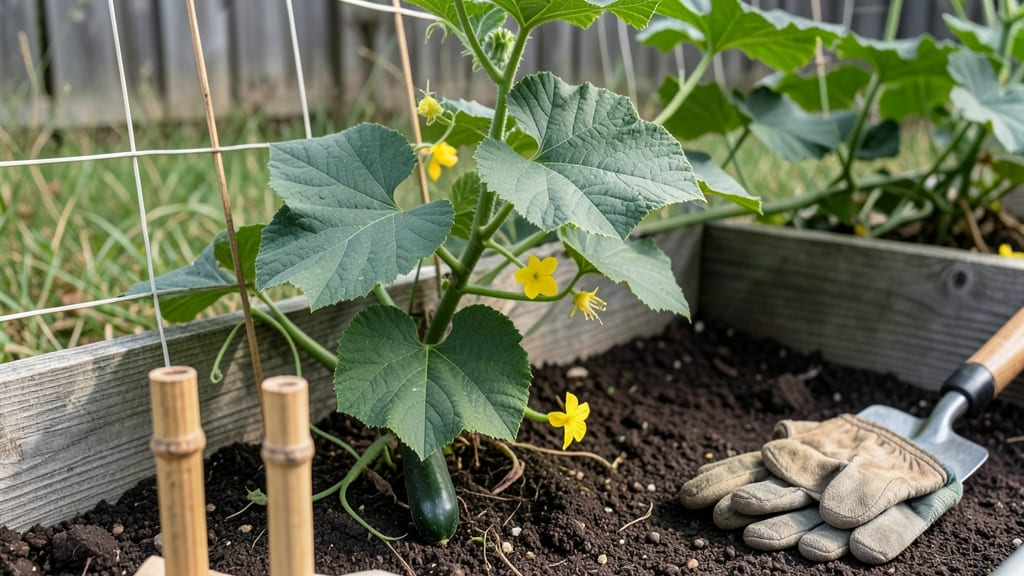
Planting cucumbers in a garden starts with the right timing and technique to ensure those 🥒 vines burst with flavor all summer long.
Imagine harvesting crisp, homegrown cucumbers straight from your garden—juicy, vine-ripened, and ready to slice into salads or pickle in minutes. But before you enjoy that first bite, you need to plant them right.
Cucumbers thrive in warm soil and full sun, so timing is everything—wait until after your last frost in Zone 6a (usually late April or early May) to avoid stunted growth.
Poor spacing or shallow planting can lead to crowded vines and fewer fruits, so getting it right upfront saves headaches later.
In this guide, I’ll walk you through the exact steps for soil prep, seed depth, spacing, and trellising tricks that double your yield.
You’ll also learn how to avoid common pitfalls like overwatering or planting too close together, so your cucumbers grow strong and productive from June through September.

Step-by-step guide to planting cucumber seeds for maximum yield
Planting cucumbers is easier than you think, but getting that maximum yield requires attention to detail. Whether you're a beginner or seasoned gardener, following these steps will ensure your cucumber plants thrive and produce bushels of fresh, vine-ripened fruit.
The key lies in soil prep, proper seed depth, and consistent care—let’s dive into the process!
Before you even think about seeds, your garden soil needs to be rich and well-draining. Cucumbers love fertile soil with a pH between 6.0 and 7.0. If your soil is heavy clay or sandy, amend it with compost or aged manure at least 2-3 weeks before planting.
This gives beneficial microbes time to break down organic matter and improve soil structure for those hungry roots.
Now that your soil is ready, it’s time to choose the perfect spot. Cucumbers are sun-worshippers and need 6-8 hours of direct sunlight daily. If your garden gets less than 6 hours, consider growing them in containers near a south-facing window or under grow lights.
Avoid shady spots—they’ll produce fewer fruits and may develop bitter flavors.
Here’s how to plant your cucumber seeds like a pro:
If you’re transplanting seedlings, harden them off first by placing them outside in partial shade for 3-5 days before moving them to their permanent spot. Handle seedlings by their leaves (not stems) to avoid damaging roots. Water thoroughly after transplanting to help them establish quickly.
Once your cucumbers are in the ground, consistency is key. Water deeply every 2-3 days, especially during hot weather, to encourage strong root growth. Avoid overhead watering—stick to drip irrigation or water at the base of plants in the morning.
This keeps foliage dry and reduces the risk of powdery mildew, a common cucumber enemy.
With these steps, you’ll be well on your way to a bountiful cucumber harvest. Remember, healthy soil and proper spacing are your best friends. Soon, you’ll be picking cucumbers straight from the vine—no store-bought bitterness here! 🥒
Best cucumber planting techniques: trellising vs. ground planting compared
Deciding whether to grow your cucumbers vertically or let them sprawl on the ground can make or break your harvest. Both methods have unique advantages, and the right choice depends on your garden space, climate, and variety.
Let’s break down the pros, cons, and practical tips for each approach to help you decide what works best for your home garden.
If you’re short on space or battling pests and diseases, trellising is your best bet. This method forces vines to grow upward, saving valuable real estate and improving air circulation, which reduces fungal issues like powdery mildew.
Plus, vertically grown cucumbers tend to produce straighter, cleaner fruits with fewer blemishes. However, setting up a trellis requires some upfront effort and maintenance to keep vines properly supported.
On the other hand, ground planting is simpler and often yields more cucumbers if you have ample space. Bush varieties like Bush Champion or Spacemaster thrive without support, and you won’t have to worry about tying vines or repairing trellises.
The trade-off? Ground-grown cucumbers are more prone to soil-borne diseases and can be harder to harvest without damaging nearby fruits. They also take up more room, which might not be ideal for small gardens.
For trellising, you’ll need sturdy materials like bamboo stakes, wire cages, or a DIY frame made from PVC pipes and twine.
If you’re growing vining varieties like Marketmore or Straight Eight, train the main vine along the trellis and prune side shoots to focus energy on fruit production. Use soft garden twine or velcro plant ties to secure vines gently—avoid anything that can damage the stems as they grow.
If you opt for ground planting, choose bush cucumber varieties like Bush Champion or Sweet Success, which stay compact and don’t require support. Space plants 3-4 feet apart in rows 5-6 feet apart to allow for proper airflow and easy access.
Mulch around the base with straw or shredded leaves to retain moisture and suppress weeds, which is especially important for ground-grown cucumbers that need consistent hydration.
Regardless of your method, remember that consistent watering and regular harvesting are key to a bountiful crop. Trellised cucumbers need deep watering at the base to avoid wetting the leaves, while ground-planted varieties benefit from a drip irrigation system to keep soil evenly moist.
Whichever technique you choose, your garden will thank you with crisp, homegrown cucumbers all season long! 🥒