
How To
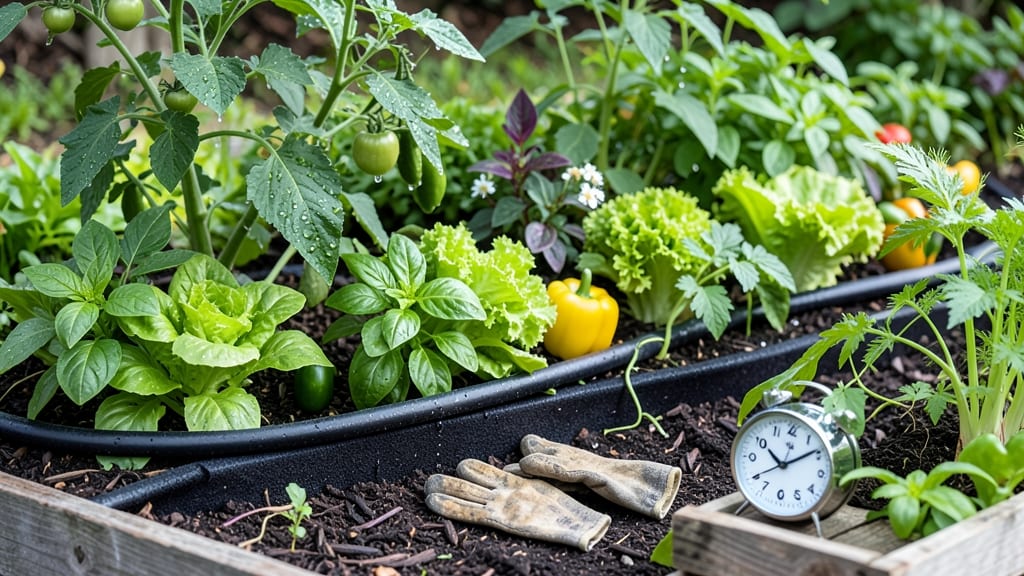
Leaving a soaker hose on your vegetable garden for the right amount of time ensures deep, even watering without waste—typically between 30 minutes and 2 hours, depending on soil and plant needs.
Struggling to balance water efficiency with plant health in your vegetable garden? Overwatering or underwatering can ruin your harvest—soaker hoses offer precision, but timing is everything. Too little, and roots dry out; too much, and you risk rot or fungal growth.
Most vegetables thrive with a slow, steady soak that mimics natural rainfall. Sandy soil drains faster, so you might need 45 minutes to an hour, while clay holds moisture longer, cutting runtime to 20-30 minutes. Leafy greens like lettuce need less than root crops like carrots.
Below, I’ll break down the ideal runtime by plant type, how to adjust for weather, and the telltale signs your garden is getting too much—or not enough—water. No more guesswork, just a consistent, efficient schedule for a bountiful harvest.
Optimal soaker hose runtime by vegetable type: a watering schedule guide
Mastering your soaker hose runtime is the secret to a thriving vegetable garden. Unlike overhead sprinklers, soaker hoses deliver water directly to roots, reducing waste and disease risk—but getting the timing wrong can mean soggy soil or thirsty plants.
The key lies in understanding your plant types, soil conditions, and local climate. For example, tomatoes and peppers need deep watering, while leafy greens prefer consistent moisture without saturation.
I’ve tested these schedules in my own garden across USDA Zone 6a, adjusting for sandy soil that drains quickly and clay patches that hold moisture longer. The goal? 1-2 inches of water per week, delivered efficiently to avoid runoff or waterlogged roots.
Start with these guidelines, then tweak based on your garden’s unique conditions—because even the best-laid plans need local adjustments.
🌱 Pro Tip: Always water in the early morning (before 10 AM) to minimize evaporation and fungal risks. Avoid evening watering, which keeps foliage damp overnight and invites blight.
For tomatoes, I’ve found that 1.5–2.5 hours daily for seedlings transitions to every other day once they’re established. My sandy soil requires longer runtimes (up to 30% more) to prevent rapid drying, while clay patches need shorter sessions to avoid waterlogging.
Always bury the soaker hose 2–3 inches deep near the stem to encourage deep root growth.
Leafy greens like
Signs your soaker hose is overwatering or underwatering (and how to Fix it)
Soaker hoses are a gardener's best friend for delivering deep, even moisture to vegetable gardens—but timing is everything. Too much water can drown roots, while too little stresses plants. Learning to read your garden's signals helps you adjust runtime perfectly for healthy growth and maximum yield.
Start by observing your plants' foliage and soil. Yellowing leaves or mushy stems often signal overwatering, while wilting or dry soil at the surface means you're underwatering. These visual cues are your first clue to recalibrating your soaker hose schedule.
⚠️ callout-warning ⚠️
Leaving your soaker hose on for more than 2 hours in clay soil can suffocate roots. Root rot develops within 48 hours of excess moisture. For sandy soil, reduce runtime to 30-60 minutes—water drains too quickly otherwise.
💡 Fix: Test soil moisture 2 inches deep. If damp, shorten runtime by 25-50%. Use a moisture meter for precision.
For leafy greens like lettuce or spinach, aim for 15-30 minutes daily, while deep-rooted crops like tomatoes need 1-2 hours every 2-3 days. Adjust based on weather conditions—hotter days may require longer runtimes, while rainy spells demand pauses.
Check soil moisture by digging 2 inches deep. If the soil feels dry, extend your soaker hose by 10-15 minutes. Conversely, if the soil is soggy, reduce runtime or space out waterings. Mulch helps retain moisture and stabilizes soil conditions.
Seasonal shifts matter too. In summer heat, increase runtime by 20-30% to compensate for evaporation. In spring or fall, shorter sessions (30-60 minutes) often suffice. Always water in the early morning to reduce fungal risks.
Fine-tune your approach by monitoring plant responses. If leaves curl or droop midday, your hose may not be running long enough. If white mold appears on soil, you're overdoing it. With practice, you'll master the art of soaker hose balance for a thriving vegetable garden. 🌱