
Pests
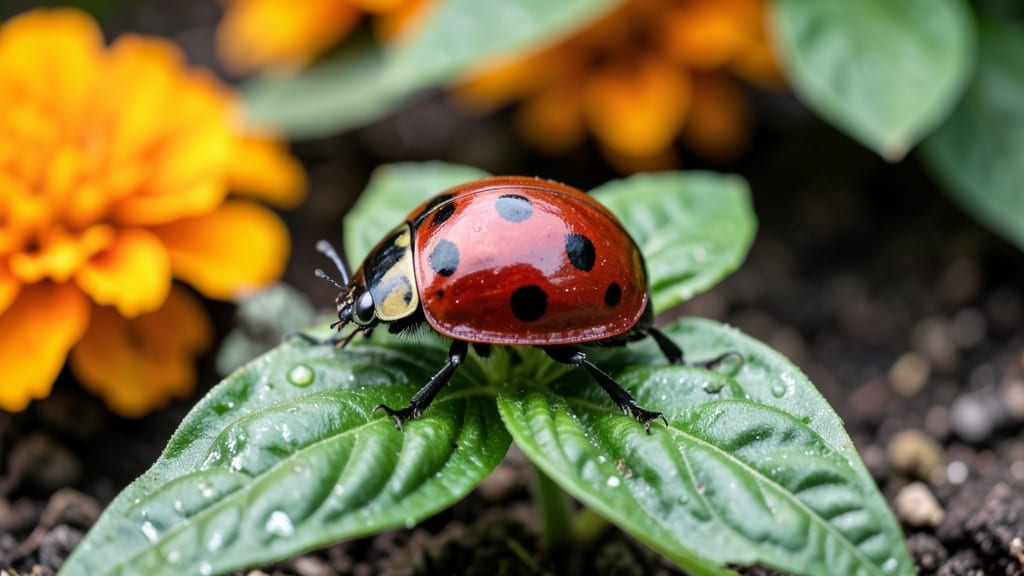
Keeping insects away from your garden doesn’t mean reaching for harsh chemicals right away—there are smart, natural ways to protect your plants without harming the ecosystem.
Picture this: You’ve spent hours planting, watering, and nurturing your garden, only for aphids, slugs, or beetles to turn it into their personal buffet. The good news? You can outsmart these pests with simple, effective barriers that work just as well as—if not better than—store-bought sprays.
From companion planting with insect-repellent plants like marigolds or basil to setting up physical shields like row covers and copper tape, these methods keep your garden thriving while keeping pests at bay. Plus, they’re safe for kids, pets, and the environment.
Below, I’ll walk you through the top natural solutions, including DIY sprays and traps, so you can enjoy a pest-free garden without the guesswork.
Top 5 natural physical barriers to block insects before they invade
When aphids, slugs, or Japanese beetles start feasting on your hard-earned harvest, your first instinct might be to reach for chemical sprays. But there’s a smarter, safer way: physical barriers.
These simple solutions create an impenetrable shield that keeps pests out without harming your plants, soil, or local wildlife. The best part? Many can be made at home with materials you already own.
Physical barriers work by creating a mechanical obstacle that insects can’t navigate—whether it’s a fine mesh blocking flying pests or a copper collar stopping slugs in their tracks.
Unlike chemical solutions, these methods don’t require reapplication and won’t disrupt your garden’s ecosystem. Let’s explore the top 5 barriers that have saved countless gardens from devastation.
Let’s start with floating row covers, my go-to solution for protecting delicate seedlings like broccoli or cauliflower from cabbage worms. These lightweight fabrics—often made of polypropylene—allow sunlight, water, and air to pass through while blocking pests as small as 1/4-inch.
For a budget-friendly DIY version, use old bedsheets or lightweight fabric weighted down with bricks or rocks. Just remember to remove covers when plants flower to allow pollinators access.
If slugs and snails are your nemesis, copper tape is a game-changer. When these pests crawl over the copper, they receive a mild electric shock that deters them instantly.
You can find pre-made copper tape at garden centers or create your own by wrapping copper wire around pots or garden beds. For extra protection, combine copper tape with a beer trap—slugs are irresistibly drawn to the beer but can’t escape.
For cutworms and cabbage maggots, plant collars are a simple yet effective solution. Made from cardboard, plastic, or even glass jars, these barriers wrap around the base of young plants, preventing pests from reaching the stems.
To install, cut a collar slightly taller than the plant’s stem, slit it vertically, and press it into the soil around the plant. This method is especially useful for tomatoes, peppers, and cabbage families.
When dealing with tomato hornworms or squash bugs, fine mesh netting is your best defense. This heavy-duty netting creates a physical barrier that even the most determined pests can’t penetrate.
For large plants like squash or cucumbers, use a cage-like structure made from wire or PVC pipes wrapped in netting. For smaller plants, drape the netting loosely over them, securing the edges with stakes or rocks.
Pro tip: Use old fish netting or even repurposed tights for a zero-waste solution.
Lastly, diatomaceous earth (DE) is a powerhouse for deterring ants, beetles, and slugs. This natural mineral is made
Plant-based repellents: companion plants that confuse and deter insects
Companion planting isn't just an old gardening trick—it's a science-backed strategy to naturally confuse and repel pests. By strategically placing certain plants together, you create a chemical defense system that insects simply avoid.
The best part? These plants also improve soil health and attract beneficial pollinators, making your garden more resilient overall.
Many of these repellent plants work by releasing volatile organic compounds that mask the scent of vulnerable crops. For example, marigolds emit a compound called alpha-terthienyl that deters nematodes, while basil produces eugenol, which repels flies and mosquitoes.
The key is understanding which plants protect which crops and how to arrange them for maximum effectiveness.
🌱 Top Companion Plants & Their Pest-Protecting Partners
- Marigolds 🌼 🐛🐞
Protects: Tomatoes, peppers, cabbage
Why: Releases alpha-terthienyl that repels nematodes and aphids - Basil 🌿 🦟🐝
Protects: Peppers, tomatoes, oregano
Why: Contains eugenol that deters flies and mosquitoes - Garlic 🧄 🐛🐞
Protects: Roses, fruit trees, brassicas
Why: Strong allicin scent confuses pests - Nasturtiums 🌸 🐞🐛
Protects: Cucumbers, squash, radishes
Why: Acts as trap crop for aphids and squash bugs - Lavender 🌸 🦟🐞
Protects: Vegetables, herbs, roses
Why: Calming scent repels moths and flea beetles - Chives 🌱 🐛🐞
Protects: Carrots, tomatoes, apples
Why: Contains thiosulfinates that deter carrot flies
To maximize protection, plant your repellent companions within 1-2 feet of vulnerable crops. For example, interplant basil with your tomatoes to deter whiteflies, or surround your cabbage family with nasturtiums to lure away aphids.
The closer the better—pests are more likely to be confused by strong scents when they can't easily locate their preferred host.
Don't forget about vertical companion planting! Tall plants like marigolds or lavender can be tucked into trellises near climbing crops such as cucumbers or beans. This creates a multi-layered defense that pests struggle to navigate. Plus, it saves space in small gardens while boosting your pest control efforts.
For long-term protection, consider planting a perennial border of repellent herbs like rosemary, thyme, or sage around your vegetable garden. These plants return year after year, providing continuous pest deterrence with minimal effort. Just be sure to choose varieties that thrive in your USDA zone for best results.
Remember, companion planting works best when combined with good garden hygiene—remove pest-infested plants promptly and rotate crops annually. With the right plant pairings, you'll create a self-sustaining ecosystem that keeps insects at bay naturally. 🌿