
Landscaping
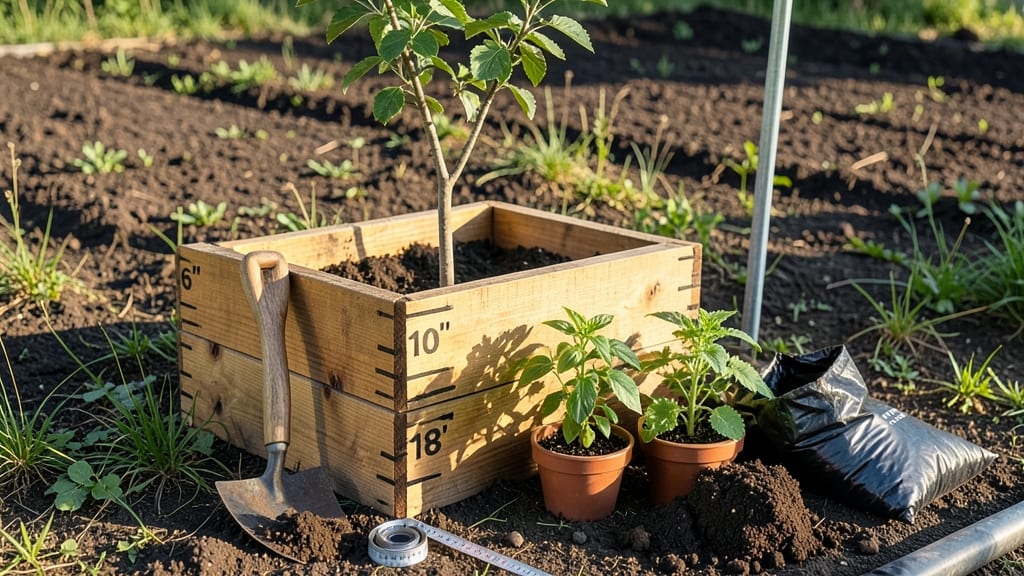
Optimal raised garden bed height by root depth requirements
When designing raised garden beds, height isn't just about convenience—it's about giving plant roots the space they need to thrive. Most vegetables, herbs, and flowers have shallow root systems, typically requiring just 6-12 inches of soil depth.
However, deep-rooted crops like asparagus or tomatoes demand much more. Let's break down the science so you can choose the perfect height for your plants.
For shallow-rooted plants, such as lettuce, radishes, or basil, a 6-12 inch bed height works perfectly. These plants focus their energy above ground, producing leaves, flowers, or fruits quickly. In contrast, deep-rooted vegetables like carrots or potatoes need at least 12-18 inches of soil to develop fully.
Understanding these differences ensures your garden beds support the plants you love most.
Here’s a quick reference to help you visualize the ideal height for different plant types, including their root depth needs and how they interact with soil volume. This table will guide your decisions based on what you’re growing:
| Plant Type | Root Depth | Recommended Bed Height | Notes |
|---|---|---|---|
| Herbs (basil, parsley, cilantro) | 6-12 inches | 6-12 inches | Shallow roots; ideal for small beds |
| Leafy Greens (spinach, kale, lettuce) | 6-12 inches | 6-12 inches | Fast-growing; minimal depth needed |
| Root Vegetables (carrots, beets, radishes) | 12-18 inches | 12-18 inches | Deep roots need room to grow straight |
| Tomatoes, Peppers, Cucumbers | 18-24 inches | 18-24 inches | Strong root systems; deeper beds prevent stress |
| Asparagus, Rhubarb, Artichokes | 24+ inches | 24-36 inches | Perennial crops with extensive root systems |
| Flowers (marigolds, zinnias, sunflowers) | 6-12 inches | 6-12 inches | Most annuals thrive in standard-height beds |
If you're growing a mix of plants, consider creating multiple bed heights or using deep soil layers in a single bed. For example, you can place shallow-rooted herbs in the top layer and deep-rooted vegetables in the bottom layer.
This approach maximizes space while meeting everyone's needs. Just ensure the soil is well-aerated and rich in organic matter to support all root systems.
For deep-rooted crops, like asparagus or artichokes, you might even need to go beyond 24 inches. These plants can take years to establish, so giving them plenty of room upfront pays off with decades of harvests.
If you're unsure, err on the side of deeper beds—you can always add more soil later, but you can't dig deeper once the bed is built.
Another key factor is drainage. Deeper beds may require additional drainage holes or layers of gravel at the bottom to prevent waterlogging. Poor drainage can stunt root growth and lead to rot, especially in heavy clay soils.
Always pair deeper beds with a well-draining soil mix that includes compost, perlite, or vermiculite.
Remember, the height of your raised bed also affects soil temperature. Deeper beds retain heat longer in spring, which can give you an earlier start for cool-season crops.
Conversely, they may stay cooler in summer, benefiting heat-sensitive plants like lettuce. Experiment with different heights to see what works best for your climate and plant choices.
Finally, don’t forget about accessibility. While deeper beds are great for roots, they can be harder to reach for weeding or harvesting. If you have mobility concerns, consider building beds with removable sides or keeping them at a manageable height while adding soil depth internally.
The goal is to create a garden that works for both your plants and you.
Now that you understand the science behind raised bed height, you’re ready to design a space that nurtures your plants perfectly. Happy gardening! 🌱
Height considerations for accessibility, soil quality, and plant types
When designing raised garden beds, height isn’t just about how tall you can stack wood—it’s about creating the perfect environment for your plants and your comfort. A bed that’s too low might leave you kneeling all day, while one that’s too high could compact soil and restrict root growth.
The ideal height balances accessibility, soil aeration, and plant-specific needs.
For most gardeners, a 12- to 18-inch height strikes the best balance. This range accommodates shallow-rooted herbs like basil and thyme while still providing enough depth for medium-rooted vegetables such as lettuce or carrots.
But what if you’re growing deep-rooted crops like asparagus or artichokes? Or if accessibility is a concern for kids or elderly gardeners?
Pros and Cons of Raised Bed Heights
- ✅ Easier to reach for children or shorter gardeners
- ✅ Better for shallow-rooted plants (herbs, lettuce)
- ✅ Less material needed (cost-effective)
- ❌ Limited depth for root growth
- ❌ Harder to maintain soil moisture
- ❌ May require frequent kneeling
- ✅ Ideal for most vegetables (tomatoes, peppers, carrots)
- ✅ Balances accessibility and root depth
- ✅ Better soil retention and moisture control
- ❌ May compact soil over time
- ❌ Requires more material and labor
- ❌ Harder for very short gardeners
- ✅ Best for deep-rooted plants (asparagus, artichokes)
- ✅ Reduces soil compaction over time
- ✅ Warms up faster in spring
- ❌ Expensive and labor-intensive
- ❌ Risk of poor drainage if overbuilt
- ❌ May be too tall for some gardeners
For accessibility, consider your height and mobility. If you’re over 5'6", a 12-inch bed will let you work standing up without straining. For kids or shorter adults, 6- to 9-inch beds are perfect for hands-on learning.
Meanwhile, deep-rooted plants like asparagus or rhubarb need 18+ inches to thrive—so adjust based on your garden’s priorities.
Soil quality also shifts with height. Taller beds (18+ inches) retain moisture better but can dry out faster in hot climates. Lower beds (6-12 inches) may require more frequent watering but are easier to amend with compost.
If you’re in a dry climate, opt for 12-18 inches with mulch to lock in moisture.
Don’t forget about ergonomics. I’ve seen gardeners strain their backs lifting heavy soil from beds that are too deep. A 14-inch height is my go-to for most veggies—it’s tall enough for roots but still manageable.
For deep-rooted crops, consider two-tiered beds or raised sections to save on material while meeting plant needs.
Pro tip: If you’re unsure, start with 12 inches and adjust as you observe plant growth and soil health. You can always add layers later! The key is balancing your comfort, your plants’ needs, and your garden’s environment.