
How To
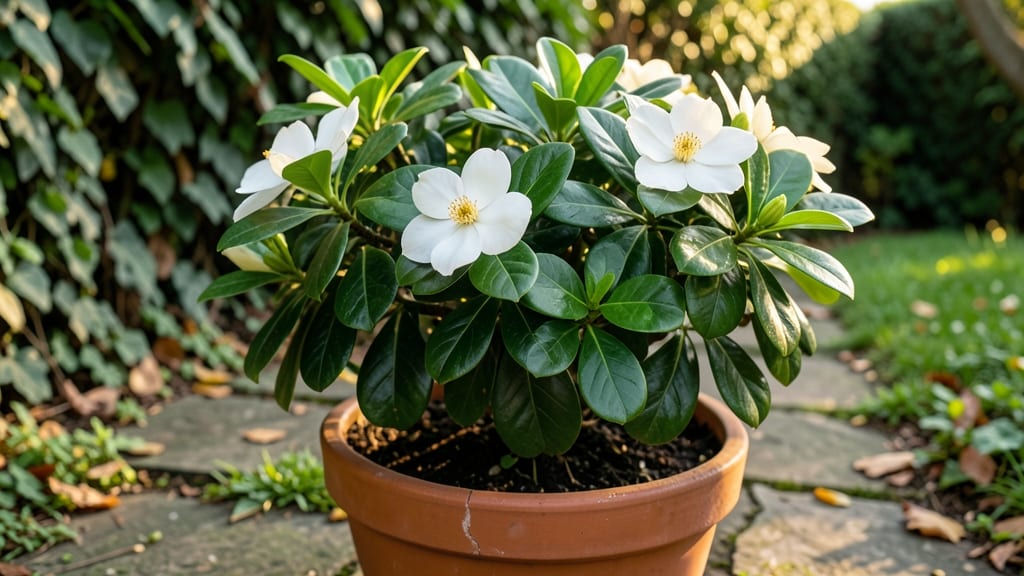
How tall do gardenias grow? The answer varies widely depending on the variety, with some reaching 10 feet or more while others stay compact at just 2 feet—so choosing the right one for your space is key.
If you're dreaming of fragrant gardenias but unsure whether they’ll fit your garden’s height requirements, you’re not alone—many gardeners overlook this critical detail before planting.
From dwarf varieties perfect for containers to towering shrubs ideal for privacy hedges, gardenias offer options for every space. Whether you want a low-maintenance border plant or a dramatic focal point, understanding their mature size helps you plan.
Below, I break down the height ranges by popular varieties, pruning tips to control growth, and how containers can keep them manageable—so you can pick the perfect gardenia for your yard.


Gardenia height ranges by variety: from dwarf to towering shrubs
Choosing the right gardenia variety means matching its mature height to your garden’s layout. Some varieties stay compact enough for patio pots, while others grow tall enough to serve as privacy screens. Understanding these height ranges helps you plan where to plant for both aesthetics and function.
Gardenias typically grow between 2–15 feet, depending on the variety. Dwarf types like Kleimschmidtiana max out at 3 feet, making them perfect for containers, while climbing varieties like Radicans can reach 15 feet when trained on trellises. Let’s explore the full spectrum of gardenia heights and their ideal uses.
If you’re comparing gardenia heights to everyday objects, think of Kleimschmidtiana as the size of a small chair (2–3 feet), while Fortuniana reaches the height of a standard dining chair (6–10 feet).
The Radicans variety, when trained vertically, can even outgrow a 6-foot fence, making it ideal for vertical gardening projects.
For gardeners with limited space, dwarf varieties like Mystery or Kleimschmidtiana thrive in containers, while taller types like August Beauty or Fortuniana work best as focal points in larger gardens. Always consider your sunlight exposure—most gardenias prefer partial shade, especially in hot climates.
Pro tip: If you’re unsure about a variety’s final height, check the growth habit—climbing types need support, while bushy shrubs fill out more naturally. Pruning can also influence height, especially for varieties prone to legginess, like Radicans.
Before planting, measure your space and compare it to the mature height ranges in the table above. This ensures your gardenia will fit perfectly without outgrowing its welcome—whether you’re aiming for a fragrant patio centerpiece or a fragrant privacy screen.
How to control gardenia height: pruning tips for compact growth
If your gardenias are reaching for the sky faster than you’d like, don’t worry—pruning is your secret weapon for controlling their height while keeping them lush and blooming.
Gardenias naturally grow between 3 to 6 feet at maturity, but with the right techniques, you can shape them into compact shrubs or even container-friendly dwarfs. The key lies in timing, tools, and understanding how these tropical beauties respond to pruning.
Pruning isn’t just about chopping back overgrowth—it’s about encouraging bushier growth and more flowers while maintaining a height that fits your space. Whether you’re dealing with a 6-foot shrub or a 3-foot dwarf variety, the same principles apply.
The difference? How aggressively (or gently) you trim. Let’s dive into the step-by-step process to keep your gardenias at your desired height without sacrificing their stunning blooms.
-
1. Best Time to Prune
Prune gardenias in late winter or early spring (before new growth starts) to avoid damaging current season’s blooms. This timing ensures you’re shaping the plant for the upcoming growing season without sacrificing flowers. -
2. Tools for Clean Cuts
Use sterilized pruning shears or bypass loppers to make clean cuts at a 45-degree angle. Sterilizing tools with rubbing alcohol prevents bacterial infections that can harm your plant. -
3. Pruning for Shape
To encourage compact growth, remove 1/3 of the oldest stems annually. Focus on cutting back overly long branches and crossing growth to improve airflow and sunlight penetration. -
4. Avoid Over-Pruning
Never trim more than 30% of the plant in a single session. Over-pruning stresses gardenias and can reduce blooming the following season. Think of it as a gentle haircut, not a buzz cut!
When pruning for height control, always cut just above a leaf node or bud to encourage new growth in the right direction. This simple technique ensures your gardenia grows denser and fuller rather than leggy.
For example, if you want to keep a 4-foot gardenia at that height, trim the tallest stems back by one-third each year. Over time, this will maintain a balanced shape.
Seasonal care plays a huge role in height management. After pruning in spring, monitor your gardenia’s growth throughout the summer. If you notice shoots growing too fast, a light trim in mid-summer can help rein in height before fall.
Avoid heavy pruning in late summer or fall, as this can stunt next year’s blooms by reducing the plant’s energy reserves.
For container-grown gardenias, pruning is even more critical since root restriction naturally limits height. Use smaller pots (like 12–18 inches wide) to encourage dwarf growth, but pair this with regular pruning to prevent the plant from becoming root-bound.
Always use well-draining soil and acid-loving fertilizer to support compact growth.
Remember, gardenias reward patience. With consistent pruning, your fragrant blooms will thrive at your desired height, whether you’re aiming for a bushy border plant or a container showstopper. Grab your shears, and let’s shape those gardenias into the perfect fit for your garden! ✂️🌸