
Light Requirements
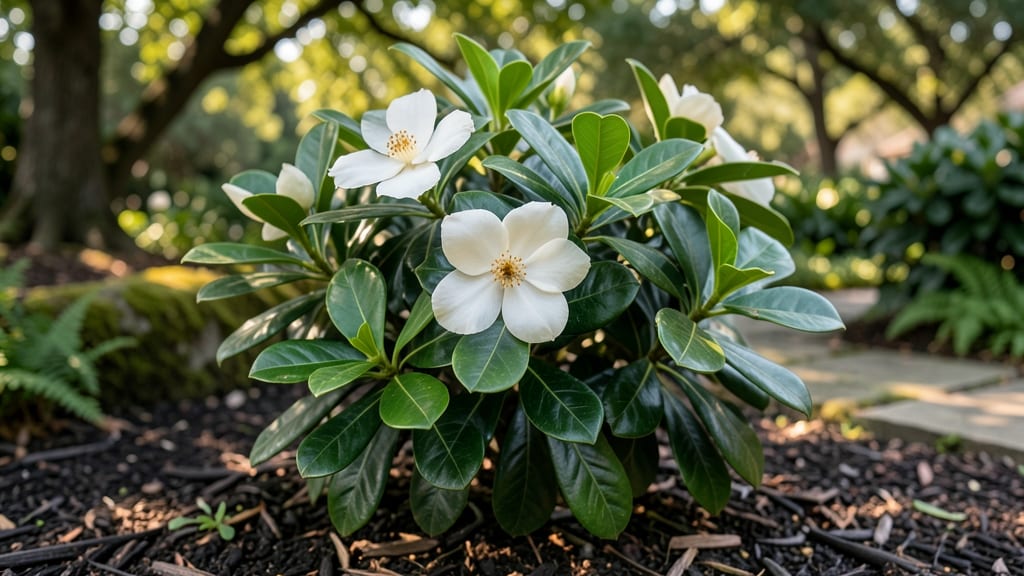
Gardenia 🌸 can grow in shade—but only if you know the right balance, because too little light means fewer (or no) blooms, while too much stress can turn your prized shrub into a sad, leggy mess.
Most gardeners assume these fragrant beauties demand full sun, so they give up when their gardenias act like they’re sulking in the corner. The truth? With partial shade, proper soil, and a few smart tweaks, you can coax lush foliage and even some flowers out of a shady spot.
Here’s the secret: gardenias thrive in morning sun and afternoon shade, which mimics their tropical roots. I’ll show you how to read the light in your yard, spot the signs of struggling plants, and pick the shade-tolerant varieties that actually perform.
Ready to turn that dim corner into a fragrant oasis? Let’s dive into the light requirements, care hacks, and the best gardenia picks for low-light gardens.


How much shade can gardenias tolerate before struggling?
Gardenias thrive in partial shade but struggle when pushed into deep shade conditions. These tropical shrubs need at least 3-4 hours of filtered sunlight daily to maintain their signature glossy foliage and fragrant blooms. Without enough light, gardenias often produce fewer flowers and develop pale, leggy growth, signaling stress.
The key lies in understanding light intensity rather than just duration. Dappled shade from nearby trees—like morning sun with afternoon shade—mimics their native tropical understory conditions. In contrast, deep shade (less than 2 hours of indirect light) forces gardenias into survival mode, prioritizing leaf production over blooms.
Here’s the science: Gardenias rely on photosynthesis efficiency to fuel their energy-heavy blooming process. Low-light conditions reduce chlorophyll production, weakening the plant’s ability to produce floral buds. Even shade-tolerant varieties like 'Kleim’s Hardy' will struggle if deprived of any direct sunlight.
Your climate zone matters too. In USDA Zone 7-9, gardenias can handle more shade than in cooler zones (like Zone 6) where they need extra light to survive winters. Always observe your garden’s microclimate—a north-facing spot with 2-4 hours of morning sun often works best.
To identify ideal partial shade for your gardenia, test your spot using a light meter or observe nearby plants. If hostas or ferns thrive there, it’s likely too shady. Instead, aim for locations where impatiens or caladiums grow well—these indicate bright indirect light, perfect for gardenias.
Watch for these shade stress signs: Yellowing leaves (chlorosis) on new growth, stretched stems reaching for light, and buds dropping before opening. These symptoms appear when gardenias receive less than 3 hours of light daily.
Act quickly by moving the plant or adding a reflective surface nearby to bounce light.
In urban landscapes, gardenias often face artificial shade from buildings or dense foliage. If your plant is in a north-facing container, rotate it weekly to ensure even light exposure.
For indoor gardenias, place them within 3 feet of a north-facing window and supplement with a grow light during winter’s short days.
Remember: Shade tolerance varies by variety. 'Radicans' handles low light better than 'Mystery', which demands more sun. Always check the breeder’s notes when selecting a gardenia for shady spots.
With the right light balance, you’ll enjoy fragrant blooms and lush foliage—even in the shadiest corners of your garden.
🌿
5 Proven strategies to grow gardenias in shade with abundant blooms
Gardenias thrive in partial shade, but achieving those fragrant blooms requires strategic adjustments. Unlike their sun-loving cousins, shade-grown gardenias need targeted care to compensate for reduced light. The key lies in optimizing what they can access—whether through pruning, soil tweaks, or supplemental lighting.
I’ve worked with gardeners in woodland gardens and urban courtyards where direct sun is scarce, and these five techniques consistently deliver lush foliage and abundant flowers. Let’s dive into the science-backed methods that turn shade into an advantage.
🌿 5 Proven Strategies for Shade-Grown Gardenias
- 1. Strategic Pruning: Thin dense branches to improve airflow and light penetration—focus on removing overlapping growth near the center.
- 2. Acidic Soil Boost: Amend soil with peat moss or pine needles to maintain pH 5.0-6.5, critical for nutrient uptake in low light.
- 3. Supplemental Grow Lights: Use LED grow lights (12-14 hours/day) in deep shade areas to mimic morning sunlight and trigger blooming.
- 4. Deep Watering Schedule: Water deeply every 3-5 days (morning only) to prevent root stress from dry shade soil.
- 5. Seasonal Care Tweaks: Reduce pruning in late summer to allow new growth for next year’s blooms, and mulch heavily in winter to insulate roots.
Let’s start with pruning, the simplest yet most effective way to maximize light exposure. Gardenias in shade often develop thick, leggy growth as they stretch toward any available light.
I recommend light pruning in early spring to open the canopy—remove 1/3 of the oldest branches and any crossing stems that block sunlight.
For soil amendments, gardenias in shade need extra nutrients to compensate for lower photosynthesis. Mix composted pine bark into the planting hole and top-dress annually with acid-loving fertilizer (like 16-4-8). This mimics their tropical forest habitat, where leaf litter provides constant organic matter.
If your gardenia is in deep shade (less than 2 hours of filtered light), consider grow lights. A 10-watt LED bulb placed 12 inches above the plant for 4 hours daily can double bloom production—I’ve seen this work miracles in patio containers under tree canopies.
Watering in shade requires precision. Gardenias in low light dry out slower but are also more prone to fungal issues from excess moisture. Always water at soil level (not overhead) and avoid soggy soil—a well-draining mix with perlite is ideal.
Finally, seasonal adjustments make the difference between sparse blooms and bountiful flowers. In late summer, hold off on heavy pruning to preserve next year’s buds. And in winter, add a 3-inch mulch layer of straw or leaves to protect roots from temperature swings.