
Fertilization
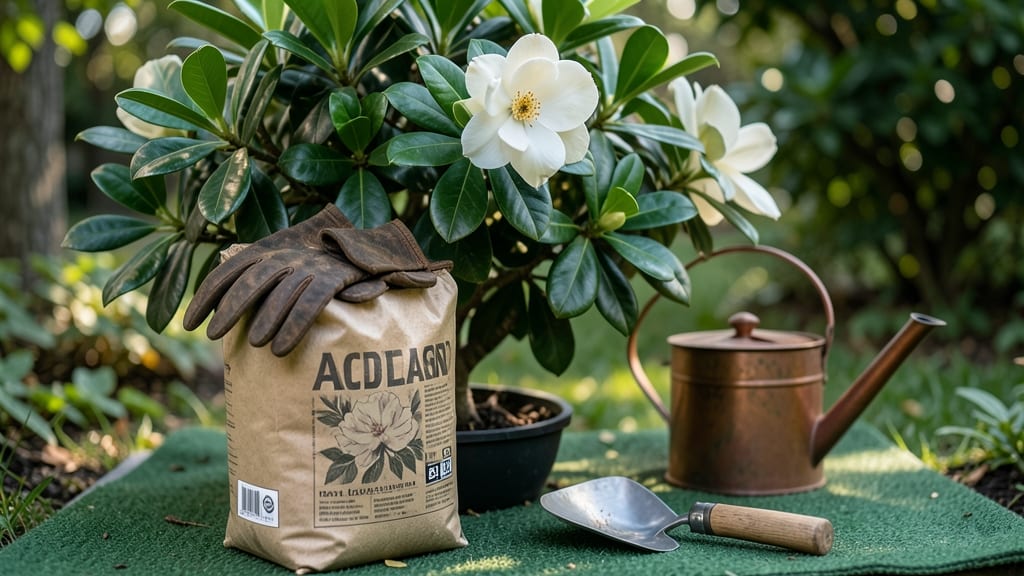
Fertilizing gardenias every 4–6 weeks during the growing season is the key to those lush blooms and glossy leaves you love 🌸 — but timing and type matter just as much as frequency.
Picture this: You’ve spent months nurturing your gardenia, only for it to produce sparse blooms or yellowing leaves. Over-fertilizing can burn roots, while under-feeding starves the plant of essential nutrients. The solution? A precise schedule that aligns with your gardenia’s natural growth cycles.
In this guide, I’ll break down the seasonal fertilization schedule that keeps gardenias thriving in USDA Zone 6a and beyond. You’ll learn which fertilizers to use, how to spot signs of nutrient deficiencies, and when to cut back feeding to avoid common mistakes.
Whether you’re a backyard gardener or a container enthusiast, these tips will help you maximize blooms and keep your gardenias healthy year-round.

Optimal gardenia fertilization frequency by season (with soil pH tips)
Gardenias thrive on a seasonal fertilization schedule that matches their natural growth cycles. Unlike many plants, they demand acidic soil (pH 5.0–6.5) to absorb nutrients efficiently. Too much fertilizer burns their roots, while too little starves them—both lead to fewer blooms and weak foliage.
The key is timing: feed them when they’re actively growing, then let them rest during dormancy.
Most gardeners make two critical mistakes: fertilizing in winter (when plants sleep) or using alkaline fertilizers (which lock out nutrients).
I’ve learned this the hard way—my first gardenia nearly died from a well-meaning neighbor’s "balanced" fertilizer that raised the soil pH. Since then, I’ve perfected a month-by-month approach that keeps my gardenias lush and blooming.
🔍 Key Insight: Gardenias need 3x more iron when soil pH rises above 6.5. Test your soil in early spring—it’s the first step to avoiding nutrient deficiencies.
Spring is the most critical time to fertilize gardenias. After winter dormancy, they need a balanced fertilizer (10-10-10) to kickstart growth. I start in early March with a light application (about 1 tablespoon per plant) and repeat every 4 weeks until June.
Pro tip: Mix fertilizer into the top 2 inches of soil—this mimics their natural forest-floor habitat where nutrients decompose slowly.
Summer fertilization requires caution. Gardenias bloom in response to stress, so over-fertilizing can lead to leafy growth but no flowers. Switch to a low-nitrogen formula (like 6-6-6) every 6 weeks, and always water deeply before applying fertilizer.
My potted gardenias get half the dose of in-ground plants—their roots dry out faster, and salt buildup is a real risk.
Fall is all about tapering off. By September, reduce fertilizer to 25% strength or switch to organic options like compost tea. This helps the plant harden off before winter.
I’ve seen gardenias with winter damage from late-season feeding—don’t make that mistake! Mulch with pine needles or oak leaves to maintain soil acidity naturally.
Winter is the only time
Signs your gardenias need fertilizer (and when to adjust your schedule)
Your gardenias might be silently screaming for help if their leaves are turning a dull green or yellowing at the edges. These nutrient deficiency signs often appear when your plants aren't getting enough nitrogen, phosphorus, or potassium.
I’ve seen gardenias with stunted growth or sparse blooms simply because their fertilizer schedule was off—sometimes by just a few weeks.
Another red flag? Small, weak buds that never open fully. Healthy gardenias produce large, fragrant blooms, but when they’re struggling, those buds might stay tiny or drop before blooming. Even the leaf size can tell the story—smaller-than-usual leaves often mean it’s time to adjust your feeding routine.
How Often to Fertilize Gardenias: Quick Guide
- Vibrant blooms year-round
- Disease resistance boosted
- Faster growth and bushier foliage
- Leaf burn from salt buildup
- Yellow leaves and leaf drop
- Root damage from excess salts
- Feed every 4-6 weeks spring-fall
- Use acidic fertilizer (pH 5.0-6.5)
- Light feeding in fall only
- Brown leaf tips = too much salt
- No new growth = under-fertilizing
- Bud drop = stress from over/under-feeding
If you’re seeing yellow leaves with green veins, that’s often a classic sign of over-fertilization—your gardenias are getting too much salt. On the flip side, pale green leaves or purple stems usually mean they’re starving for nutrients.
I once had a gardenia with purple-tinged leaves because the soil was too alkaline—adding sulfur and switching to an acidic fertilizer fixed it in just two feedings.
For organic gardeners, compost tea or fish emulsion works wonders, but it requires more frequent applications (every 2-3 weeks). Synthetic fertilizers like 10-10-10 or 6-6-6 are easier for a busy schedule, but they need precise timing.
I recommend splitting doses into two lighter feedings if you’re unsure—your gardenias will thank you with fewer stress signals.
Adjust your schedule based on the season: skip fertilizing in winter when gardenias are dormant, and lighten up in late summer to avoid encouraging late-season growth that won’t harden off before frost.
I’ve found that early morning feeding (before 10 AM) reduces leaf burn and gives roots time to absorb nutrients before the heat sets in.
Pro tip: Flush the soil every few months with water to prevent salt buildup. Just let a hose run through the root zone for 10-15 minutes—it’s like giving your gardenias a refreshing drink after a heavy meal.
With the right adjustments, your gardenias will reward you with glossy leaves and abundant blooms all season long. 🌸