
How To
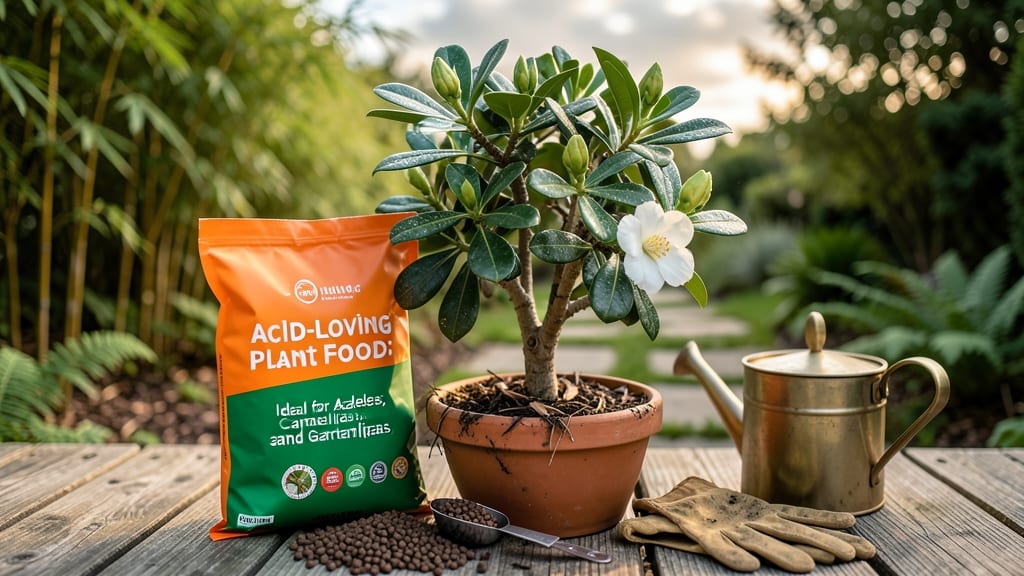
To fertilize gardenia 🌸 at the perfect time means feeding it when it’s hungry—not when it’s sleeping.
Picture this: You’ve just pruned your gardenia, and new growth is popping up like clockwork. That’s your cue to reach for the fertilizer, because timing here isn’t just about the calendar—it’s about the plant’s natural rhythm.
Too early, and you’ll burn those delicate roots; too late, and your blooms might never show up.
Most gardeners miss the mark by fertilizing in fall or winter, when the plant is already resting. The real magic happens in early spring and mid-summer, when your gardenia is gearing up for its showstopping blooms.
But here’s the kicker: even the best schedule can backfire if you don’t know the signs of over- or under-feeding.
In this guide, I’ll break down the exact months to fertilize, the best types of feed for your gardenia’s acid-loving roots, and how to spot when it’s begging for more—or when to step back and let it breathe. No guesswork, just lush foliage and fragrant blooms all season long.
Best times of year to fertilize gardenia for maximum blooms
If you want your gardenia to burst into fragrant, creamy-white blooms year after year, timing your fertilizer applications is everything. Unlike many plants, gardenias thrive on a seasonal feeding schedule that aligns with their natural growth cycles.
Skipping this rhythm can lead to fewer flowers or even leaf burn from over-fertilizing at the wrong time. Let's break down the exact months to fertilize and why each window matters.
Gardenias are heavy feeders but need a strategic approach. The key is to fertilize when they're actively growing—not during dormancy. This means focusing on three critical windows: early spring, mid-summer, and late fall.
Each timing serves a unique purpose, whether it's kickstarting new growth, supporting blooms, or preparing for winter. Let’s dive into the science behind these windows and how to apply it to your gardenia care routine.
| Season | Fertilization Window | Purpose | Fertilizer Type |
|---|---|---|---|
| Early Spring | March - April | Stimulates new growth and root development | High-nitrogen (8-4-8) |
| Mid-Summer | June - July | Supports bloom production and foliage health | Balanced (10-5-10) |
| Late Fall | September - October | Prepares plant for dormancy (light feeding only) | Low-nitrogen (5-5-5) |
The first fertilization window, early spring (March-April), is all about waking up your gardenia. As temperatures rise and your plant emerges from dormancy, it needs a nitrogen boost to fuel new leaf and stem growth.
This is when you’ll see those bright green leaves and sturdy branches that set the stage for summer blooms. Use a high-nitrogen fertilizer (like 8-4-8) to encourage this vigorous growth without overloading the plant.
By mid-summer (June-July), your gardenia should be in full bloom—or at least preparing for it. This is the second critical window where you switch to a balanced fertilizer (like 10-5-10) to support both foliage and flower production.
The goal here is to maintain the plant’s energy without overwhelming it. Over-fertilizing now can lead to excessive leaf growth at the expense of blooms, so follow the rule: light feeding every 4-6 weeks.
Many gardeners make the mistake of fertilizing into late fall (September-October), but this is actually a time to taper off. Your gardenia needs time to harden off before winter, and feeding too late can stimulate tender new growth that won’t survive frost.
Instead, opt for a light feeding with low-nitrogen fertilizer (like 5-5-5) to support root health without encouraging late-season growth. Stop completely by October 1st in most climates.
Winter is the dormant season for gardenias, and this is when you should avoid fertilizing entirely. Your plant is conserving energy, and adding nutrients now can stress its roots.
Focus instead on mulching around the base to insulate roots and watering sparingly (only when the top inch of soil is dry). This rest period is crucial for next year’s blooms, so resist the urge to "help" with extra fertilizer.
One common question I hear is: "What if my gardenia isn’t blooming?" If you’ve followed this schedule and still see sparse flowers, check your soil pH (should be 5.0-6.5) and light conditions (partial shade is ideal).
Gardenias also need consistent moisture—drought stress can halt blooming. Adjust your care routine accordingly, but stick to the seasonal fertilization timeline for best results.
Pro tip: Always fertilize in the early morning to allow nutrients to soak into the soil before the heat of the day. Water your gardenia deeply after fertilizing to prevent root burn.
And if you’re using organic fertilizers like fish emulsion or compost tea, dilute them to half-strength to avoid shocking your plant’s roots. Your gardenia will reward you with lush foliage and fragrant blooms all season long.
Remember, gardenias are acid-loving plants, so always use fertilizers labeled for azaleas, rhododendrons, or acid-loving plants. Regular lawn fertilizer can raise soil pH and harm your gardenia over time. With the right timing and nutrients, your gardenia will thrive and become the showstopper of your garden. 🌸
How to choose the right fertilizer type for gardenia growth
Gardenia plants thrive when given the right nutrients, but their acid-loving nature means not all fertilizers work equally well. As someone who’s nurtured gardenias for years, I’ve learned that choosing between organic and synthetic fertilizers—and balancing nitrogen and phosphorus—can dramatically impact blooms and foliage.
Let’s break down the best options and how to apply them for maximum impact.
The key to fertilizing gardenias lies in their soil pH needs (5.0-6.5) and their preference for slow-release nutrients. Organic fertilizers like composted pine bark or fish emulsion gently acidify soil over time, while synthetic options like 8-4-8 NPK provide quick, precise nutrition.
Both have pros and cons, which we’ll explore next to help you decide what’s best for your gardenia’s growth stage.
Organic Fertilizers for Gardenias
| Pros | Cons |
|---|---|
| Improves soil structure over time | Slower results (takes weeks to months) |
| Supports microorganisms in acidic soil | Requires more frequent applications |
| Safe for long-term use without burn risk | Can attract pests if overused |
Synthetic Fertilizers for Gardenias
| Pros | Cons |
|---|---|
| Quick visible results in 2-4 weeks | Risk of root burn if overapplied |
| Precise NPK ratios for blooms | Doesn’t improve soil health long-term |
| Easy to measure and apply | Requires regular pH testing |
For new gardenia plants, I recommend starting with a balanced organic fertilizer like composted manure or worm castings. These help establish strong roots without overwhelming young plants. Once established, switch to a low-nitrogen, high-phosphorus fertilizer (like 5-10-5) to encourage blooming. Always water thoroughly after applying to prevent root damage.
Micronutrients like iron and magnesium are also critical—yellowing leaves often signal deficiencies. A chelated iron supplement can work wonders for gardenias struggling in alkaline soil. I’ve found that mixing Epsom salt (magnesium sulfate) into the soil every few months keeps foliage vibrant and prevents leaf drop.
Remember, gardenias bloom best with consistency. Whether you choose organic or synthetic, stick to a monthly schedule during the growing season (spring to early fall) and reduce applications in winter. Over-fertilizing can lead to leaf burn or stunted growth, so always follow package instructions and observe your plant’s response.
Pro tip: Mix a slow-release fertilizer into the soil at planting time for a steady nutrient supply. For potted gardenias, I use osmocote pellets—they’re perfect for controlled feeding without the risk of overdoing it.
With the right fertilizer, your gardenia will reward you with glossy leaves and fragrant blooms all season long. 🌸