
Fertilization
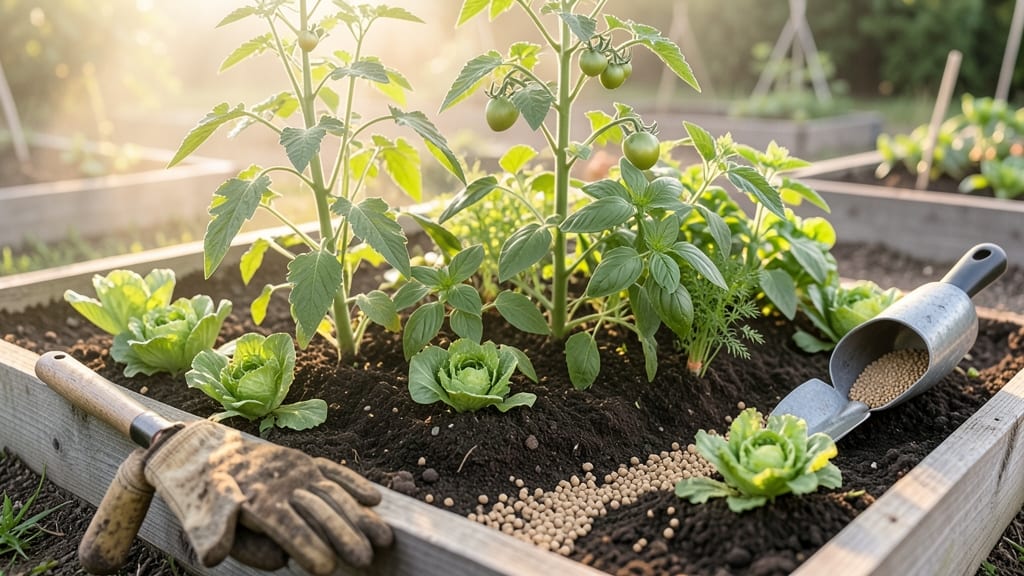
To fertilize your garden properly, you’ll need a schedule that matches your plants’ growth stages—because overdoing it can scorch roots while underfeeding stunts harvests.
Picture this: your tomatoes are flowering but the fruit stays tiny, or your roses bloom once then fade fast. That’s not a plant problem—it’s a timing issue. The right fertilizer, at the right time, turns good soil into a powerhouse for your 🌱.
Most gardeners guess, but the science is simple: fast growers (like lettuce) need frequent light feedings, while heavy feeders (like tomatoes) thrive on spaced-out boosts. I’ll break down exactly when to feed—spring’s root-building phase, summer’s bloom-and-fruit push, and why fall and winter are hands-off months.
You’ll also learn to spot over-fertilized plants (yellow leaves, crispy edges) and how to adjust for organic vs. synthetic fertilizers, so your garden gets fed just enough—no waste, no stress.

Fertilization frequency by plant type: what your garden really needs
Fertilizing your garden isn’t a one-size-fits-all task—each plant type has unique nutrient needs that change as they grow. Fast growers like lettuce and radishes need frequent, light feedings, while slow accumulators like tomatoes and squash thrive with slow-release nutrients over time.
Understanding these differences prevents wasted fertilizer and maximizes your harvest.
Before grabbing that bag of fertilizer, test your soil pH and nutrient levels. Most garden soils lack key nutrients like nitrogen, phosphorus, and potassium, but overdoing it can harm plants. For example, vegetables often need more nitrogen for leafy growth, while flowers benefit from phosphorus-heavy fertilizers to encourage blooming.
Organic fertilizers like compost or manure release nutrients gradually, while synthetic fertilizers provide an immediate boost. Herbs like basil and cilantro prefer organic options to avoid chemical buildup, whereas fruiting plants like peppers and eggplants respond well to balanced synthetic feeds during fruiting stages.
Now, let’s break down the ideal fertilization schedules by plant type to keep your garden thriving without guesswork.
| Plant Type | Fertilizer Type | Frequency | Best Time to Apply | Notes |
|---|---|---|---|---|
| Leafy Greens (Lettuce, Spinach, Kale) | Balanced Organic (e.g., compost tea) | Every 2-3 weeks | At planting + mid-season | Avoid high nitrogen late in season |
| Fruiting Vegetables (Tomatoes, Peppers, Cucumbers) | Slow-release (10-10-10) or organic | Every 4-6 weeks | After flowering begins | Reduce nitrogen after fruiting starts |
| Root Vegetables (Carrots, Beets, Potatoes) | Low-nitrogen organic (e.g., bone meal) | Once at planting | Before sowing seeds | Too much nitrogen = fewer roots |
| Flowering Plants (Roses, Petunias, Marigolds) | Phosphorus-rich (5-10-5) | Every 3-4 weeks | When buds form | Avoid late-season feeding |
| Herbs (Basil, Cilantro, Parsley) | Light organic (fish emulsion) | Every 3 weeks | Early growth stage | Stop fertilizing before flowering |
| Perennials (Perennial Herbs, Shrubs) | Slow-release organic | Once in spring | Early spring awakening | Avoid fall fertilization |
For fast-growing plants like lettuce or radishes, frequent but light feedings prevent nutrient burn and encourage rapid leaf production. These plants complete their life cycle in 30-60 days, so their fertilization window is short. I recommend using a fish emulsion or compost tea every 2-3 weeks once they’ve sprouted.
On the other hand, slow accumulators like tomatoes and squash need a steady supply of nutrients over 60-90 days. These plants benefit from slow-release fertilizers or a balanced feed every 4-6 weeks.
For example, tomatoes need more potassium as they fruit, so a 5-10-10 NPK ratio works best in late summer.
Herbs often get overlooked, but they’re sensitive to over-fertilization. Basil and cilantro prefer light, organic feedings every 3 weeks during their active growth phase. Once they start flowering, stop fertilizing entirely—the flavor will suffer, and the plant may bolt prematurely.
If you’re using organic
Seasonal fertilizer schedule: when to feed for maximum growth
Timing your garden’s fertilizer applications is just as important as choosing the right product. Spring kickstarts growth, summer fuels blooms, and fall prepares plants for dormancy—each season demands a different approach.
Your USDA hardiness zone (3-10) also shifts these windows, so I’ll break down the exact schedule for annuals and perennials to keep your garden thriving year-round.
For example, cool-season crops like lettuce and peas need their first feeding in early spring, while warm-season tomatoes shouldn’t get fertilizer until after the last frost. Perennials like roses or lavender follow a slower cycle, with feedings timed to their natural growth spurts.
Let’s map out the 12-month calendar so you never guess again.
- 1 Early Spring (March-April): First feeding after last frost for annuals and light feed for perennials. Use a balanced 10-10-10 fertilizer to encourage root growth.
- 2 Late Spring (May): Second feeding for vegetables and flowers. Switch to a higher-phosphorus (e.g., 5-10-5) for blooming plants like tomatoes or petunias.
- 3 Summer (June-August): Feed every 4-6 weeks with a slow-release fertilizer. Avoid heavy nitrogen in late summer to prevent late-season growth (prone to frost damage).
- 4 Early Fall (September): Light feeding for cool-season crops or perennials to build winter resilience. Use a low-nitrogen fertilizer (e.g., 3-4-6) to harden off plants.
- 5 Winter (October-February): No fertilizing for dormant plants. Exceptions: Evergreens (light feeding in late winter) or houseplants (monthly diluted feed).
Adjust this schedule for your climate zone: In USDA zones 3-5, delay spring feedings until soil warms (around 55°F). For zones 8-10, extend summer feedings into October for warm-season crops. Pro tip: Test your soil in early spring to avoid overcorrecting with fertilizer.
Organic gardeners can swap synthetic fertilizers for compost tea (every 2 weeks) or fish emulsion (every 4 weeks). The key is consistency—plants thrive on routine, not surprises. Start with this schedule, then tweak based on your garden’s leaf color or growth rate.
Remember: Less is often more. A little fertilizer goes a long way when applied at the right time. Watch your plants respond, and you’ll master the art of feeding your garden like a pro. Happy growing! 🌱