
Fertilization
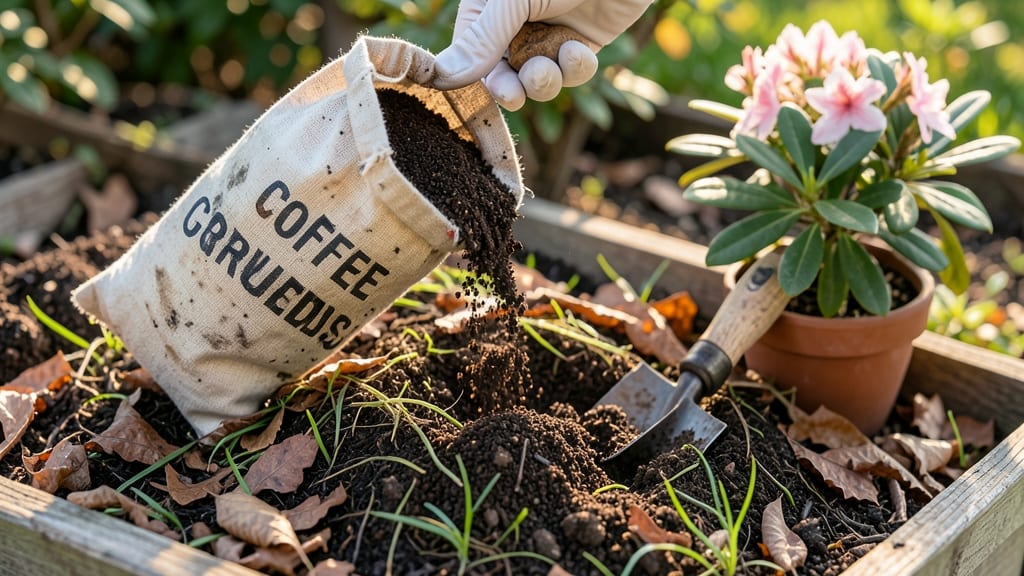
You can put coffee grounds in your garden—they boost soil fertility with nitrogen, help retain moisture, and naturally repel pests like slugs, but use them carefully to prevent over-acidifying the soil or encouraging mold growth. Apply them as a thin layer (½ inch) around plants or mix them into compost for balanced benefits.
Coffee grounds work as a natural fertilizer because they're rich in nitrogen, which plants crave for leafy growth. 🌱 The grinds also break down slowly, improving soil texture while attracting earthworms that aerate the soil.
However, their acidity means they're perfect for acid-loving plants like blueberries or hydrangeas, but could harm others like lavender. I've found that mixing them with compost first balances their effects, giving you the best of both worlds without risking soil imbalance.
For best results, sprinkle used grounds around the base of plants or work them into the top 2-3 inches of soil. Avoid piling them up—too much can create a sour environment that stunts growth.
If you're unsure about your soil's pH, test it first. Coffee grounds are a gardener's secret weapon, but like any good tool, using them wisely makes all the difference.
💡 In This Article
- How Coffee Grounds Benefit Soil and Plants
- Best Practices for Using Coffee Grounds in Gardens
How coffee grounds benefit soil and plants
The real magic of coffee grounds lies in their nitrogen content—about 2% by weight—which acts as a slow-release fertilizer for leafy growth. When you sprinkle them in your garden, they break down through microbial activity, releasing nitrogen over 2-3 months.
This process also stimulates beneficial soil bacteria and fungi, creating a thriving ecosystem that improves nutrient cycling. The grinds' porous texture also helps retain 20-30% more moisture in sandy soils compared to untreated soil, making them especially valuable during dry spells. 🌱
Coffee grounds lower soil pH by about 0.5-1.0 points over time, making them ideal for acid-loving plants like blueberries (which thrive at pH 4.5-5.5) or hydrangeas. However, this same acidity can harm alkaline-loving plants such as lavender or rosemary, which prefer pH 7.0-8.0.
The key is balance: mixing grounds with compost or well-rotted manure buffers their acidity while still providing nitrogen. Think of them as a natural soil conditioner that works best when integrated rather than applied in thick layers.
Beyond nutrients, coffee grounds act as a natural pest deterrent. The caffeine in grounds repels slugs and snails, while the coarse texture deters burrowing insects. I've noticed fewer garden pests in beds where I've used coffee grounds regularly—especially around tomatoes and peppers.
However, too much can create a sour, anaerobic environment that encourages mold growth, so always use them as a top dressing rather than burying them deep.
One often-overlooked benefit is their ability to improve soil structure. The grinds break down into humus, a dark, spongy substance that enhances soil aeration and water retention.
In my own garden, I've seen soil become lighter and fluffier after consistent use, almost like adding a natural soil conditioner without the chemicals. This makes them particularly useful for heavy clay soils that drain poorly or sandy soils that dry out too quickly. 💛
For maximum benefits, aim for a 1:1 ratio of coffee grounds to compost or soil when mixing. Fresh grounds can temporarily tie up nitrogen as microbes decompose them, so composting them first ensures a steady nutrient release.
The aroma alone—earthy and slightly sweet—signals to many gardeners that their soil is becoming richer with each application. Just remember: moderation is key to avoiding over-acidification or fungal issues.
If you're growing plants sensitive to acidity, like vegetables or herbs, consider mixing coffee grounds with wood ash (a natural pH raiser) in equal parts. This creates a neutral blend that still provides nitrogen while balancing soil chemistry.
The result? A garden that's both productive and pest-resistant without the need for synthetic amendments. 🌿