
Plants
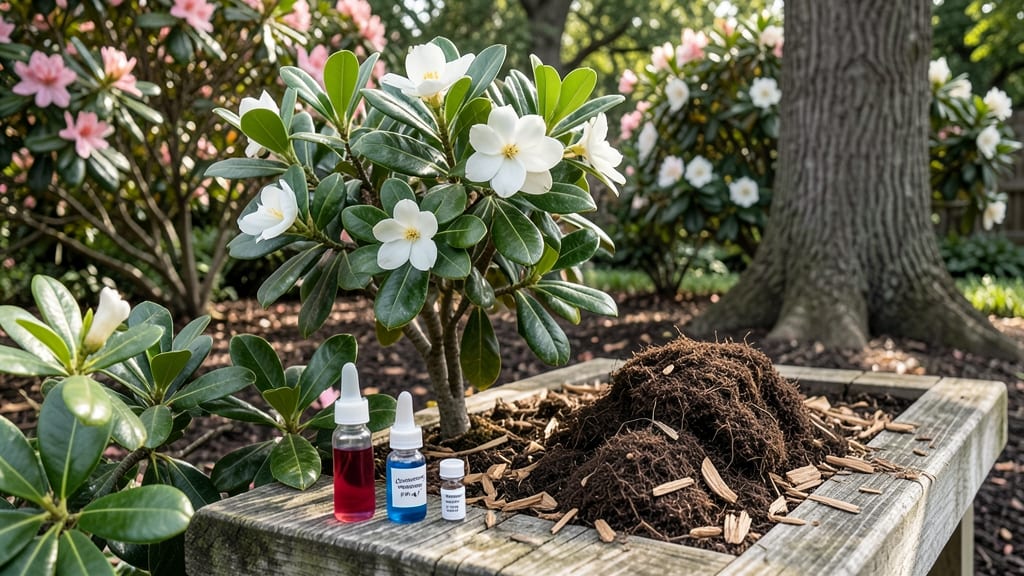
Gardenias are acid-loving plants that thrive in soil with a pH range of 5.0 to 6.5, mirroring their natural tropical habitats where these conditions promote lush foliage and abundant blooms.
Gardenias evolved in acidic, nutrient-rich environments, and their roots struggle to absorb essential minerals like iron and manganese in alkaline soil. 🌿 When the pH creeps above 7.0, you'll often see yellowing leaves (chlorosis) even when the soil appears moist—this is a classic sign of nutrient lockout.
I've found that container gardeners have an advantage here, as they can easily monitor and adjust pH levels using simple test kits or vinegar-and-baking-soda solutions. The key is consistency: gardenias reward patience with their fragrant blooms, but they demand precise care to replicate their native soil chemistry.
For those working with existing garden beds, a mix of peat moss and pine bark fines can lower pH over time, while elemental sulfur provides faster results. Just remember: these plants hate sudden changes—gradual adjustments over weeks yield the best results.
And if your tap water tests alkaline? Collect rainwater for watering instead. The little differences make all the difference with gardenias!
💡 In This Article
- Why Gardenias Require Acidic Soil for Optimal Growth
- Best Soil Amendments and pH Adjustment Methods for Gardenias
Why gardenias require acidic soil for optimal growth
Gardenias evolved in the acidic, humid soils of tropical Asia, where the natural pH ranges between 4.5 and 6.0. This environment isn't just a preference—it's a biological necessity. The plant's roots have specialized cells that thrive in acidic conditions, allowing them to absorb iron, manganese, and phosphorus efficiently.
These micronutrients are crucial for chlorophyll production and energy transfer within the plant. When soil pH rises above 6.5, these nutrients become chemically locked, making them unavailable even if they're present in the soil. 🌱 This explains why gardenias often develop yellow leaves (chlorosis) despite adequate watering.
The root zone of gardenias also benefits from the increased hydrogen ion concentration in acidic soils. These ions help break down organic matter more efficiently, releasing nutrients that feed the plant. Additionally, acidic conditions prevent the buildup of harmful aluminum and manganese oxides that can damage root cells.
Think of it like a chemical handshake: the acidic environment signals the plant's roots to activate specific transport proteins that only work optimally in these conditions. Without this acidic trigger, the plant's nutrient uptake system essentially goes on strike.
What most gardeners don't realize is how this acidity affects the plant's entire metabolic system. The enzymes responsible for photosynthesis and flower production function best in this pH range. When you see those iconic white gardenia blooms, you're witnessing the result of years of evolutionary adaptation to acidic soils.
The plant's energy is directed toward reproductive growth (flowers) rather than defensive growth (leaves) when conditions are ideal. This is why gardenias grown in alkaline soils often produce fewer blooms despite having lush foliage.
Testing your soil's pH is the first step in creating the perfect environment. A simple home pH test kit (costing around $10) can reveal whether your soil is too alkaline. If your reading is above 7.0, you'll need to take corrective action immediately.
The good news is that gardenias respond dramatically to proper pH adjustment. Within just 4-6 weeks of correcting soil acidity, you'll often see new growth and bud formation as the plant's metabolic processes kick back into high gear. 💫
Here's what happens at the cellular level when pH is optimal: The plant's root hairs become more active, increasing surface area for nutrient absorption. This is why gardenias grown in perfectly acidic conditions often have a darker green foliage and thicker stems compared to their alkaline-soil counterparts.
The difference isn't just aesthetic—it's a clear indicator of the plant's overall health and vitality. When you see those rich, glossy leaves, you know the roots are properly nourished and the plant is ready to produce those signature fragrant blooms.
One fascinating aspect is how gardenias handle moisture in acidic soils. The slightly lower pH actually helps maintain better soil structure, preventing compaction that could restrict root growth. This is why gardenias often perform better in well-draining, slightly acidic soils rather than the heavy, alkaline clays that many gardeners encounter.
The combination of proper pH and good drainage creates the perfect environment for these tropical plants to thrive in temperate climates. 🌿
For container gardeners, this means choosing the right growing medium is just as important as the pH adjustment. A mix of 50% peat moss, 30% pine bark fines, and 20% perlite creates an ideal growing environment that maintains acidic conditions while providing excellent drainage.
This combination not only supports the plant's root health but also mimics the natural forest floor environment where gardenias originally grew. The result is a plant that looks and performs like it's in its native habitat, producing abundant blooms throughout the growing season.