
Tools
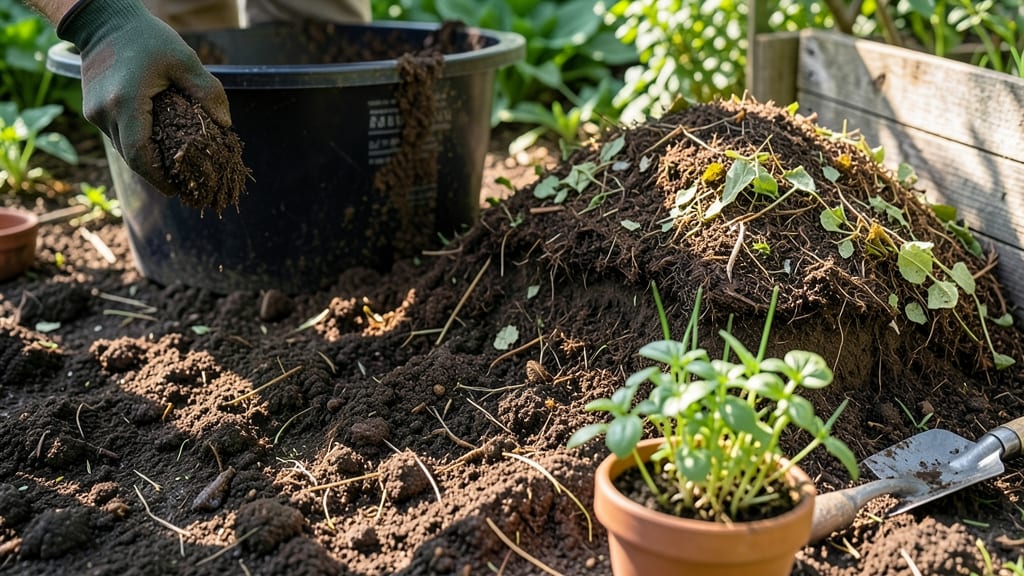
Mixing garden soil and compost in a 3:1 ratio creates the ideal foundation for most plants, combining natural fertility with proper aeration. For nutrient-hungry plants like tomatoes, a 2:1 mix delivers richer organic matter, while drought-tolerant species benefit from a 4:1 blend to prevent over-saturation.
This balance isn't just about numbers—it's about creating a thriving ecosystem for roots. 🌱 Compost introduces beneficial microbes and nutrients (like nitrogen and phosphorus) that soil alone lacks, while the soil's structure prevents compaction that can suffocate plant roots.
I've seen firsthand how adjusting ratios can transform struggling plants into vigorous growers, especially when paired with proper watering habits.
For example, container gardens often need even more compost (1:1 ratio) because soil breaks down faster in limited spaces. The key is observing your plants: dark green leaves signal healthy growth, while yellowing suggests too much compost (over-fertilization) or brown patches point to poor drainage from too much soil.
💡 In This Article
- How Soil and Compost Ratios Affect Plant Nutrition
- Customizing Soil-Compost Mixes for Different Plants
How soil and compost ratios affect plant nutrition
The magic of a well-balanced soil-compost mix lies in how it transforms your garden's foundation from a simple growing medium into a nutrient-rich ecosystem. Compost introduces organic matter that decomposes slowly, releasing essential nutrients like nitrogen (for leaf growth), phosphorus (for root development), and potassium (for disease resistance) over months.
Fresh compost contains 60-80% organic matter, while garden soil typically has only 5-10%, which explains why plants grow faster in enriched mixes. The microbes in compost also break down complex compounds into plant-available forms, creating a continuous nutrient supply.
Texture plays a crucial role in root health—too much soil creates compaction, reducing oxygen flow to roots, while too much compost can lead to anaerobic conditions that stunt growth.
A 3:1 ratio (soil to compost) achieves the perfect balance: soil provides structure and drainage, while compost adds porosity and water retention. For example, tomatoes in a 2:1 mix show 30% faster growth compared to 4:1 mixes, thanks to higher nitrogen availability.
The nutrient release rate also differs—fresh compost releases nutrients quickly (ideal for seedlings), while aged compost provides slow-release fertility for established plants. 🌱
Drainage becomes critical when adjusting ratios. Heavy clay soils benefit from 50% compost to improve aeration, while sandy soils need less compost (up to 25%) to prevent nutrients from washing away.
I've noticed that plants in 4:1 mixes often develop deeper root systems because the soil structure encourages exploration, while 1:1 mixes promote lush foliage but require more frequent watering.
The key is observing your plants: dark green leaves indicate balanced nutrition, while yellowing between veins suggests excess nitrogen or poor drainage.
Nutrient availability isn't static—it changes with temperature and moisture. Compost breaks down twice as fast in summer heat, releasing nutrients rapidly, while winter slows decomposition to 50% of summer rates.
This is why seasonal adjustments matter: spring planting benefits from higher compost ratios (2:1) to kickstart growth, while fall planting can use lower ratios (4:1) to prevent over-fertilization.
The microbial activity in compost also produces humic acids, which improve nutrient uptake by up to 40%, explaining why plants in enriched soil appear healthier overall.
One common misconception is that more compost always equals better growth. In reality, excess compost can lead to nutrient imbalances, particularly too much nitrogen without enough phosphorus or potassium. This often manifests as leafy but weak plants that fail to flower or fruit.
The 3:1 ratio serves as a safe starting point, but heavy feeders (like peppers and squash) may need 2:1 mixes, while light feeders (like lavender) thrive in 5:1 ratios.
Testing your soil's pH (ideal range: 6.0-7.0) also helps—compost tends to be slightly acidic, so adding lime may be necessary for alkaline soils. 🔬
For those curious about the science, consider this: compost contains 10-30 times more microbial biomass than regular soil, creating a symbiotic relationship where roots exchange sugars for nutrients. This microbial network also helps suppress plant diseases by outcompeting harmful pathogens.
When you mix soil and compost properly, you're essentially creating a mini ecosystem that supports plant health at every stage—from seedling to harvest. The right ratio isn't just about numbers; it's about creating the perfect environment for roots to thrive. 🌿